Dwight Capital Refis Missouri Apartments With $36M HUD Loan
Companies Mentioned
Why It Matters
The deal underscores the durability of HUD’s 223(f) program in underwriting large‑scale suburban apartments, giving developers stable, low‑rate funding that can spur further construction near major metros and signals investor confidence in commuter‑oriented multifamily markets.
Key Takeaways
- •Dwight Capital provided $36M HUD 223(f) loan for Vista on the Park.
- •35‑year term offers low‑cost, long‑duration financing for 234‑unit community.
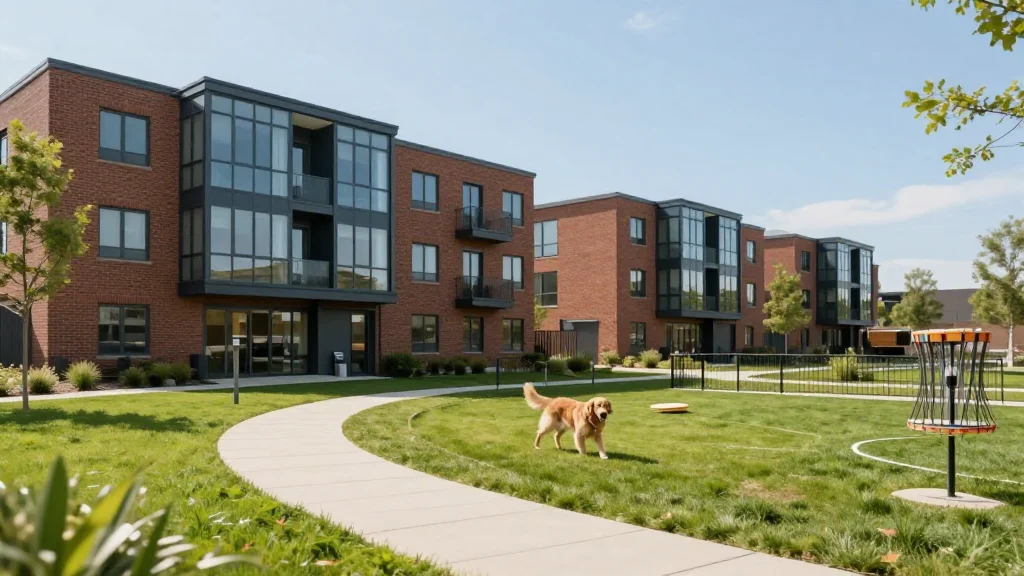
- •Property includes 1‑3 bedroom units, walking trail, dog park, disc golf.
- •Located 56 miles west of St. Louis near I‑70, targeting commuters.
- •Refinancing underscores demand for agency‑backed capital in suburban markets.
Pulse Analysis
The U.S. Department of Housing and Urban Development’s 223(f) loan program is designed to back the acquisition or refinancing of multifamily assets that are already operational. By offering non‑recourse, long‑term financing at rates tied to Treasury yields, the program reduces debt service risk for owners. A $36 million commitment, such as the one Dwight Capital arranged for Vista on the Park, sits near the upper end of typical 223(f) deals, reflecting both the scale of the property and the confidence HUD places in its cash flow stability.
Suburban multifamily markets around major metros like St. Louis have accelerated as workers seek affordable, amenity‑rich housing within commuting distance. Vista on the Park’s mix of one‑ to three‑bedroom units, coupled with lifestyle features such as a walking trail, dog park, and disc‑golf, aligns with the growing tenant preference for health‑focused, community‑oriented environments. The 35‑year loan horizon matches the asset’s expected lifespan, allowing owners to lock in low financing costs and reinvest cash flow into property upgrades or future development, thereby enhancing long‑term returns.
For investors and capital providers, the transaction signals that agency‑backed debt remains a cornerstone of financing strategy in secondary markets. The stability of HUD‑sourced capital can attract institutional equity, which often seeks predictable income streams. Moreover, the successful refinancing of a newly built, high‑amenity community suggests that lenders view suburban projects as lower‑risk compared to urban cores, potentially prompting more aggressive pipeline development in similar corridors across the Midwest.
Dwight Capital Refis Missouri Apartments With $36M HUD Loan
Comments
Want to join the conversation?
Loading comments...