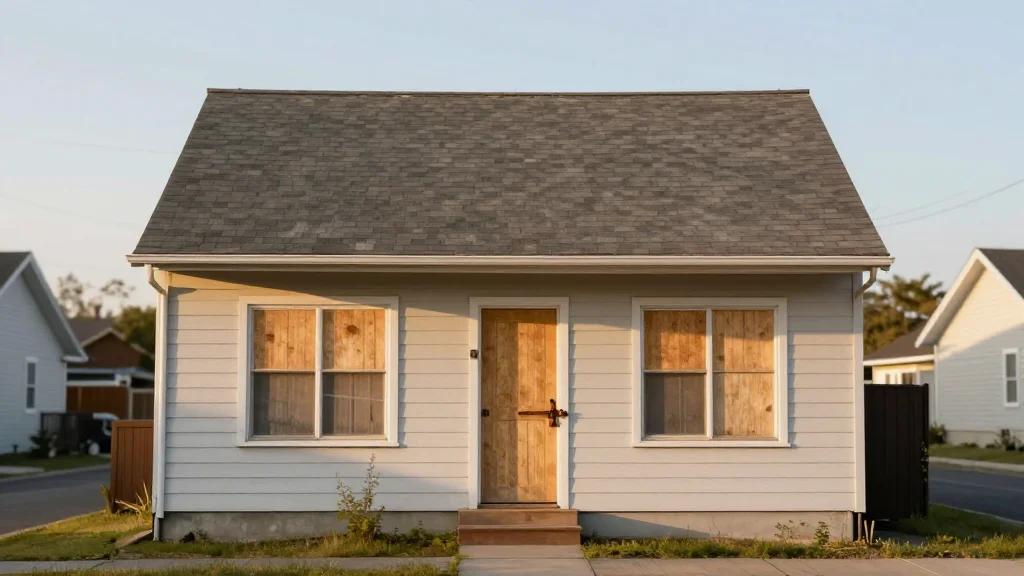
Foreclosure Filings Jump 26% in Q1 2026, Threatening 118,727 U.S. Homes

Why It Matters
The unprecedented rise in foreclosure filings and bank repossessions creates a massive pool of distressed real‑estate assets, fundamentally altering supply dynamics in the residential market. For investors, the surge offers the prospect of acquiring properties at steep discounts, potentially fueling growth in single‑family rentals and renovation‑focused funds. At the same time, the concentration of foreclosures in specific states and metros raises the risk of localized price depressions, which could erode returns for both new entrants and seasoned players. Understanding these trends is essential for capital allocation decisions and risk management in the real‑estate investing sector. Beyond individual portfolios, the wave signals broader economic stress. A sustained increase in foreclosures can depress consumer confidence, reduce household wealth, and strain local tax bases, feeding back into the housing market and the wider economy. Policymakers and lenders will be forced to balance the need for credit discipline with the social costs of widespread home loss, making the next quarter a critical period for both market participants and regulators.
Key Takeaways
- •118,727 homes faced foreclosure filings in Q1 2026, up 26% YoY.
- •Banks repossessed 14,020 properties, a 45% increase from the prior year.
- •Indiana leads with 1 in 739 homes in foreclosure; Florida repossessions doubled YoY.
- •New York City recorded the most foreclosure starts among major metros.
- •Distressed‑asset pool creates both high‑return opportunities and heightened market risk.
Pulse Analysis
The current foreclosure surge mirrors early‑stage dynamics of the 2008 crisis, but the scale remains modest compared with that historic peak. Still, the 26% quarterly jump signals that mortgage stress is re‑emerging as a systemic factor, driven by persistent inflation, stagnant wages and elevated interest rates. Investors with deep‑pocket balance sheets are likely to move quickly, converting distressed single‑family homes into rental units to meet the chronic shortage of affordable housing. This could accelerate the already notable shift toward institutional ownership of the suburban rental market, a trend that has reshaped price appreciation patterns in many metros.
However, the rapid influx of repossessed properties also threatens to flood local markets, especially in states like Indiana and Florida where the foreclosure rate is highest. An oversupply could depress home prices, compressing yields for rental investors and undermining the profitability of fix‑and‑flip strategies. Moreover, the concentration of foreclosures in both high‑cost urban centers and lower‑cost Midwestern towns suggests a bifurcated risk profile: urban investors may face tighter credit conditions and higher competition, while Midwestern investors could encounter deeper price declines.
Policy responses will be pivotal. If state legislatures enact stricter foreclosure timelines or extend moratoriums, the pace of repossessions could slow, preserving more inventory for the market and reducing the immediate discount available to investors. Conversely, a hands‑off approach could accelerate the transfer of distressed assets to the private sector, potentially stabilizing prices through increased buyer activity but also raising concerns about long‑term affordability. Investors should therefore track legislative developments, Federal Reserve credit‑growth metrics, and lender‑level delinquency reports to calibrate exposure and timing in this volatile environment.
Foreclosure Filings Jump 26% in Q1 2026, Threatening 118,727 U.S. Homes
Comments
Want to join the conversation?
Loading comments...