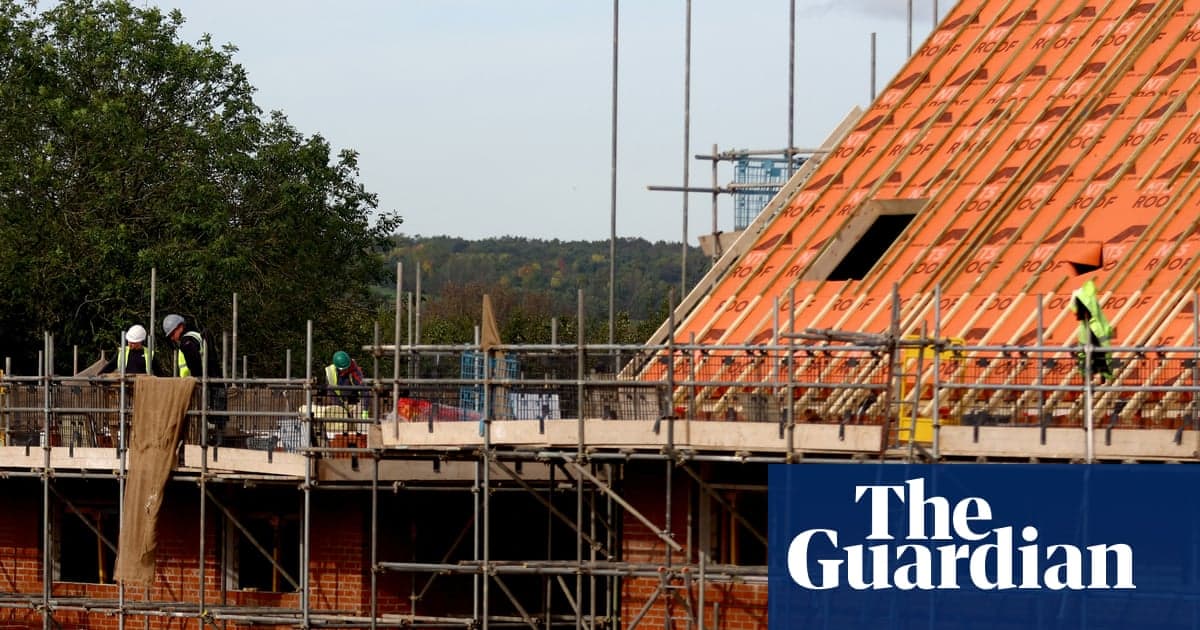
Iran War Could Knock UK Homebuyer Confidence, Says Builder Persimmon
•March 10, 2026
0
Why It Matters
A dip in buyer confidence and sustained high rates could slow UK house‑price growth, directly affecting builders, lenders and investors in the property sector.
Key Takeaways
- •Persimmon forecasts 12,000‑12,500 completions in 2026.
- •UK consumer confidence fell to 23% after Iran conflict.
- •Mortgage rates likely stay high, limiting buyer affordability.
- •Net private sales up 9% YoY; prices up 6%.
- •Builders’ supplier contracts may cushion cost impacts.
Pulse Analysis
The Iran‑Israel confrontation has introduced a new layer of geopolitical risk to the UK housing market, a sector already grappling with elevated borrowing costs. Persimmon, a FTSE 100 housebuilder, flagged the conflict as a potential catalyst for weakened buyer sentiment, even as it projects a slight uptick in completions for 2026. This cautious outlook reflects broader market anxieties, where any escalation in oil prices could feed inflationary pressures and keep the Bank of England’s policy rate anchored at 3.75% or higher.
Mortgage lenders such as HSBC, Nationwide and Coventry are already adjusting fixed‑rate offerings upward, a move mirrored by Barclays’ latest consumer‑confidence survey that recorded a two‑point drop to 23%. The survey also revealed that four‑fifths of respondents fear rising inflation, especially in energy and food costs, which could further strain household budgets. With the BoE expected to hold rates steady through the year and possibly raise them to 4% next June, affordability challenges are set to intensify, limiting the pool of first‑time buyers and pressuring price growth.
Despite the headwinds, Persimmon reported a robust start to the year, with private sales up 9% year‑on‑year and average selling prices 6% higher. The builder’s confidence rests on pre‑negotiated supplier agreements and accelerated production schedules that should shield it from immediate cost inflation. However, the lingering uncertainty around consumer sentiment means that any prolonged conflict could dampen demand, prompting investors to reassess exposure to UK residential construction and related financial instruments.
Iran war could knock UK homebuyer confidence, says builder Persimmon
0
Comments
Want to join the conversation?
Loading comments...