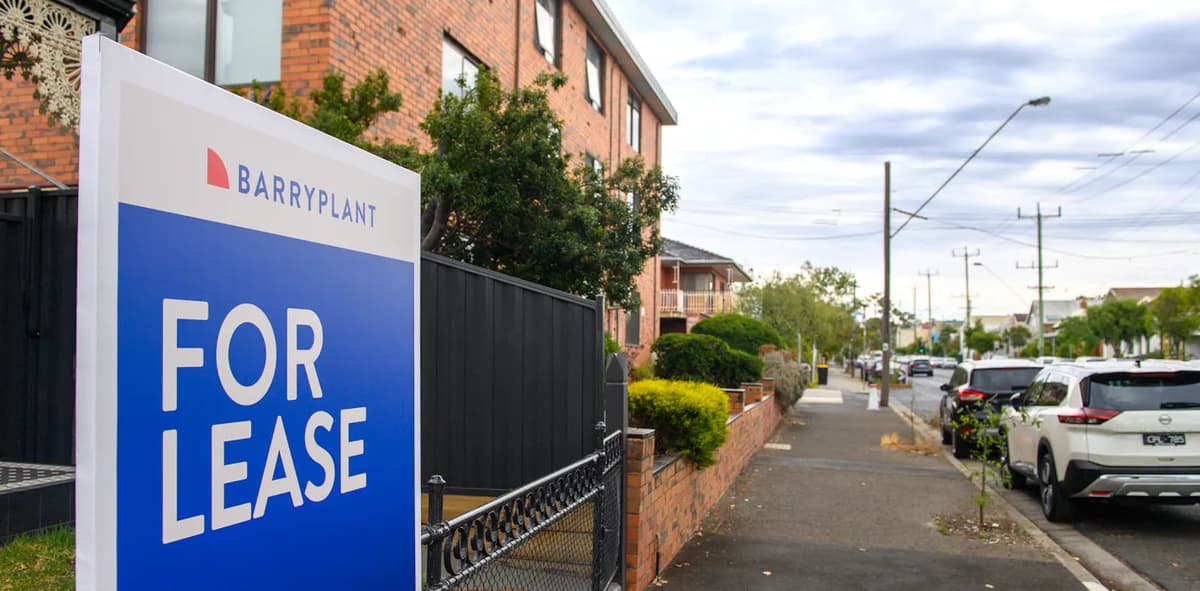
Landlords Pay Almost $7 Billion a Year More in Tax than Home Owners, Pushing Rents Higher
Why It Matters
The tax gap makes renting more expensive, worsening housing affordability and widening income inequality, prompting policy debate ahead of the budget.
Key Takeaways
- •Landlords paid A$6.9 bn extra annually, ≈US$4.5 bn.
- •Extra taxes equal ~14 % of average yearly rental revenue.
- •Negative gearing lets landlords offset rental losses, reducing net tax.
- •Renters earn less than owners, so tax burden is regressive.
- •Broadening land tax to owners could cut rents before tightening gearing.
Pulse Analysis
Australia’s property market has long been shaped by tax incentives that favour investors over owner‑occupiers. Recent analysis of a decade of Australian Taxation Office and ABS data reveals landlords collectively shouldered an extra A$6.9 billion (about US$4.5 billion) each year, largely from capital‑gains tax, state land tax and the net‑loss benefits of negative gearing. When converted to U.S. dollars, the cumulative over‑tax burden reaches roughly US$45 billion, a figure that translates to about 14 % of average annual rental income. This disparity fuels higher rents and deepens the affordability gap.
Economic theory and the 2010 Henry Tax Review both suggest that taxes unique to investment properties are passed on to tenants. Renters, whose average weekly gross income is around A$1,908 (≈US$1,260), earn roughly 18 % less than the broader household average, making the tax burden disproportionately regressive. The extra A$6.9 billion in annual taxes effectively acts as a hidden surcharge on rental prices, squeezing low‑ and middle‑income households and contributing to rising housing stress across the nation.
Policymakers now face a two‑step challenge. Short‑term budget discussions will likely focus on tightening negative gearing and reducing the 50 % capital‑gains discount, measures that could modestly lower investor returns. However, lasting relief for renters requires a more structural reform: broadening the land‑tax base to include owner‑occupiers, as recommended by the Henry Review. Such a shift would spread the tax load more evenly, lower rental costs, and create fiscal space to further ease housing affordability pressures before any deeper changes to gearing rules are implemented.
Landlords pay almost $7 billion a year more in tax than home owners, pushing rents higher
Comments
Want to join the conversation?
Loading comments...