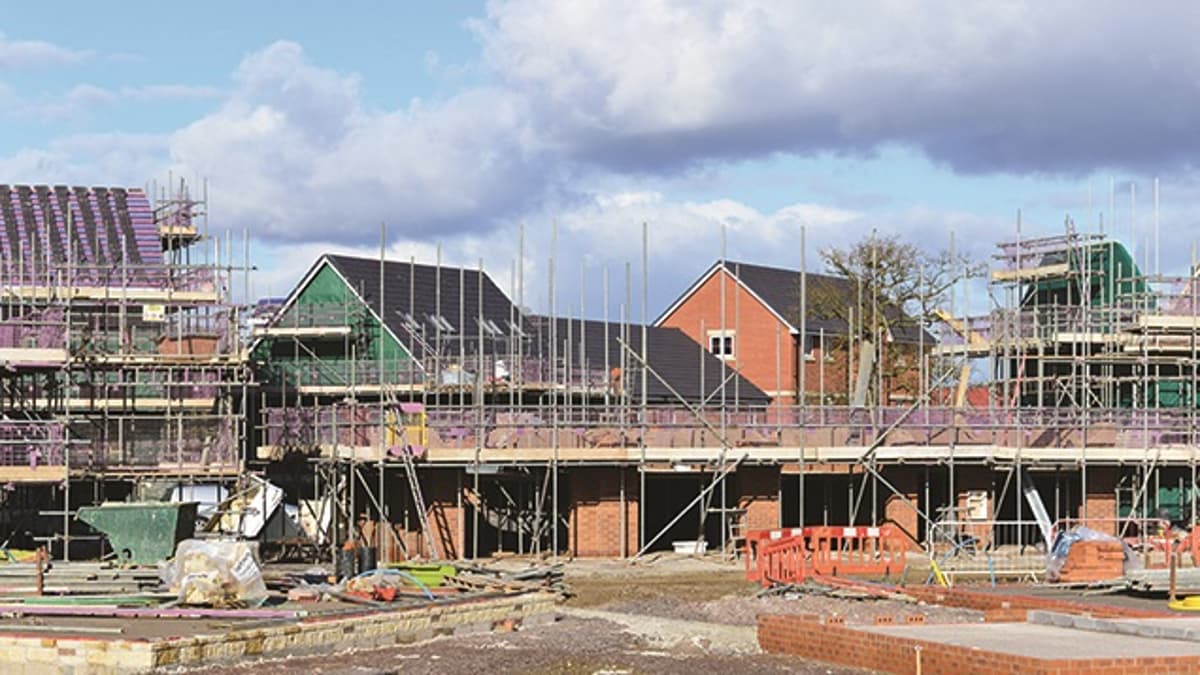
Q1 Registrations of Homes to Be Built Down 6% Year on Year, NHBC Reports
Why It Matters
A 6% drop in new‑home registrations curtails future housing inventory, pressuring affordability and slowing construction‑related employment. The slowdown also signals heightened risk for developers and investors navigating a volatile macro‑economic environment.
Key Takeaways
- •NHBC reports Q1 new‑home registrations fell 6% YoY.
- •Higher interest rates and material costs cited as primary drivers.
- •Builder confidence dips, potentially slowing construction employment.
- •Supply‑chain disruptions add to project postponements.
Pulse Analysis
The NHBC’s latest quarterly data shows a 6% year‑on‑year contraction in registrations for new housing projects, underscoring the fragility of the UK’s construction pipeline. Elevated Bank of England rates have pushed mortgage costs higher, discouraging both developers and prospective buyers. At the same time, global commodity price spikes and lingering supply‑chain constraints have inflated material costs, eroding profit margins and prompting many firms to defer or cancel planned builds. This confluence of factors creates a "perfect storm" that is reshaping the market’s outlook for the remainder of 2026.
The immediate impact of the registration dip reverberates across the broader housing ecosystem. Builder confidence, as measured by industry surveys, has slipped, foreshadowing a potential slowdown in construction‑related employment and ancillary services such as architecture, engineering, and financing. With fewer projects on the books, land‑owners may face delayed sales, while home‑buyers could encounter reduced inventory, sustaining upward pressure on prices in already tight markets. Investors monitoring the sector should reassess exposure to developers heavily reliant on new‑build pipelines, as cash‑flow timing becomes more uncertain.
Looking ahead, policymakers and industry bodies are likely to scrutinize the data for signs of a deeper structural slowdown. The UK government’s housing targets may require renewed incentives, such as tax reliefs or streamlined planning processes, to revive developer confidence. Meanwhile, NHBC’s role as a warranty provider positions it to offer risk‑mitigation tools that could help firms navigate financing challenges. Stakeholders that adapt to the tighter financing environment—by leveraging modular construction, securing long‑term material contracts, or diversifying into refurbishment—stand to capture market share as the sector recalibrates.
Q1 registrations of homes to be built down 6% year on year, NHBC reports
Comments
Want to join the conversation?
Loading comments...