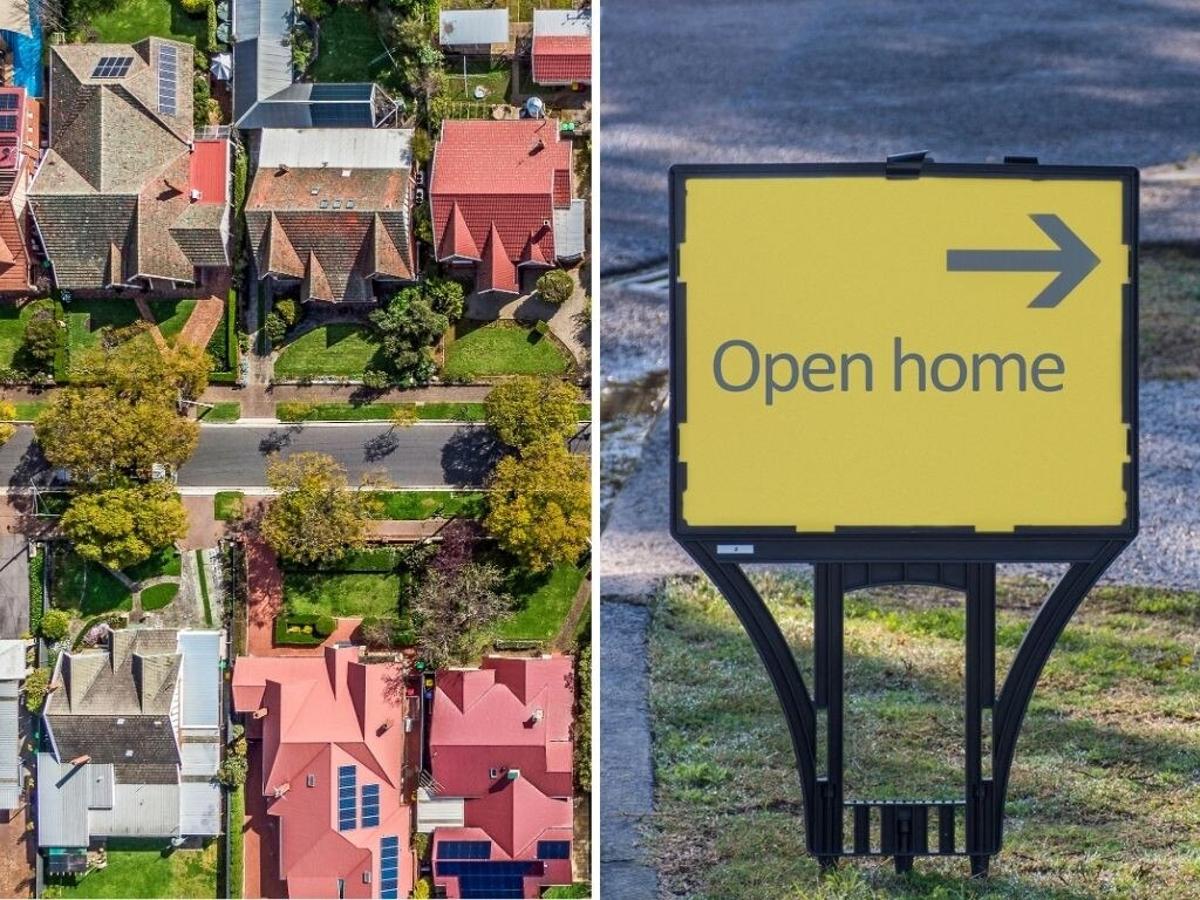
SA Housing Market Shifts as Buyers Turn Cautious
Why It Matters
The slowdown signals a broader pullback in Australian residential demand, which could temper price growth and reshape development strategies in South Australia. Investors and builders must adjust to a market where location and affordability outweigh speculative buying.
Key Takeaways
- •Adelaide listings up 2.1% YoY in March, but total stock down 8.3%
- •Buyers favor inner suburbs and properties near public transport
- •Rising fuel costs and interest‑rate uncertainty curb buyer confidence
- •Potential capital‑gains‑tax changes ahead of May budget spur wait‑and‑see
- •Negotiations intensify as buyers seek lower prices amid forecast rate hikes
Pulse Analysis
Adelaide’s property market, long hailed as one of Australia’s hottest, is now showing the first signs of a buyer‑driven correction. Analysts point to a confluence of macro pressures—persistent interest‑rate hikes, surging fuel prices, and looming changes to capital‑gains‑tax policy—as the primary catalysts for a more cautious consumer base. The uncertainty surrounding the upcoming federal budget amplifies the "wait‑and‑see" mentality, prompting many would‑be homeowners to postpone purchases until fiscal signals become clearer. This shift mirrors broader national trends where affordability constraints are reshaping demand dynamics across major cities.
Location preferences are evolving rapidly. According to Ray White SA’s chief executive Matt Lindblom, properties within inner suburbs or within easy reach of public transport are now commanding greater attention. Proximity to transit not only reduces commuting costs but also offers a hedge against volatile fuel prices, a concern echoed by Harris Real Estate’s Phil Harris. As a result, buyers are less willing to pay premiums for peripheral homes and are instead focusing on negotiating better terms for centrally located assets. The recent $1 million AUD (approximately $660,000 USD) sale in Smithfield illustrates that while high‑value transactions continue, they are increasingly contingent on price concessions and flexible financing.
For developers, investors, and policymakers, the emerging cautionary stance presents both challenges and opportunities. A tighter inventory—evidenced by an 8.3% decline in total listings despite a modest 2.1% rise in new listings—means supply constraints will likely keep price pressures alive, albeit at a slower pace. However, the heightened negotiation environment could compress profit margins for sellers and prompt developers to prioritize affordable, transit‑oriented projects. Monitoring the fiscal outcomes of the May budget and subsequent monetary policy moves will be crucial for forecasting the next phase of South Australia’s housing cycle.
SA housing market shifts as buyers turn cautious
Comments
Want to join the conversation?
Loading comments...