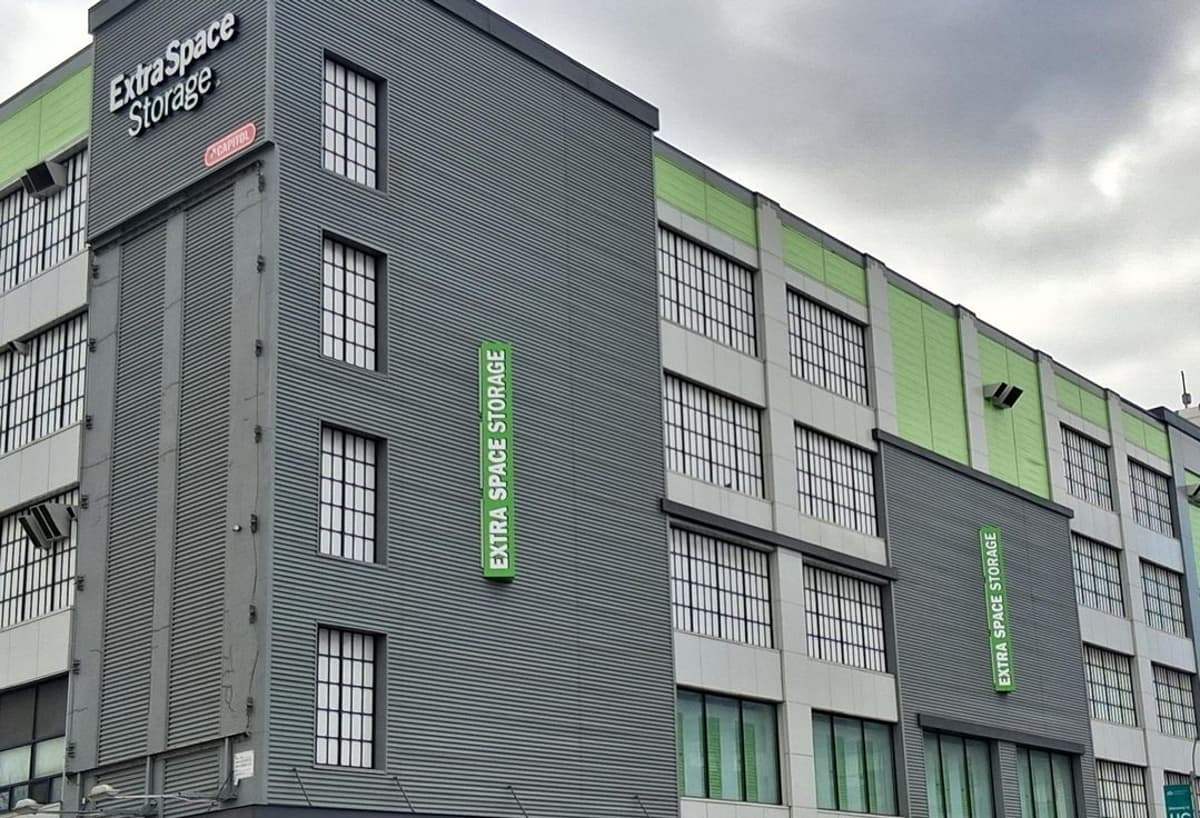
Self-Storage Aims For Comeback After Slumping U.S. Housing Market Torpedoes Occupancy, Rent Growth
Why It Matters
The rebound in transaction volume and renewed institutional confidence signal a turning point for an asset class tied to housing affordability, offering investors a potentially resilient income stream. Demographic shifts toward younger renters further underpin growth prospects as housing costs remain high.
Key Takeaways
- •2025 self‑storage transaction volume hit ~$5 B, up 40% YoY
- •Occupancy slipped to 92% as housing market weakness curtails demand
- •Institutional confidence resurges; Public Storage bought National Storage Affiliates for $10.5 B
- •Rent growth flat at 0.1% in 2025; 1‑2% rebound expected 2026
- •Millennials and Gen Z now account for ~20% and 16% of renters
Pulse Analysis
The self‑storage sector, long viewed as a defensive real‑estate niche, is now navigating a post‑pandemic correction. Occupancy rates have eased from pandemic peaks of over 96% to roughly 92%, reflecting a slowdown in moving activity as the housing market cools. Rent growth, which surged to double‑digit levels in 2021‑22, has flattened at 0.1% for 2025, but analysts expect a modest 1‑2% rise as supply constraints tighten and demand from renters facing high housing costs persists.
Investment momentum is picking up despite tighter capital markets. Transaction volume jumped nearly 40% year‑over‑year to about $5 billion, driven largely by independent operators who captured 82% of deals. Institutional players are re‑entering the arena, exemplified by Public Storage’s $10.5 billion all‑stock acquisition of National Storage Affiliates, signaling confidence in the asset class’s long‑term cash flow stability. However, fund‑raising remains challenging, with DXD Capital’s third fund encountering limited liquidity, underscoring the need for disciplined capital allocation.
Demographic trends are reshaping demand fundamentals. Millennials and Gen Z now represent roughly 20% and 16% of self‑storage renters, respectively, a rise fueled by stagnant wages and soaring home prices. This younger cohort treats storage as an extension of their living space, especially in urban infill markets where land is scarce. With new‑construction pipelines projected to dip to 51 million square feet in 2026, developers are likely to focus on high‑density, value‑add projects that cater to these renters, positioning the sector for steady occupancy and incremental rent growth over the next half‑decade.
Self-Storage Aims For Comeback After Slumping U.S. Housing Market Torpedoes Occupancy, Rent Growth
Comments
Want to join the conversation?
Loading comments...