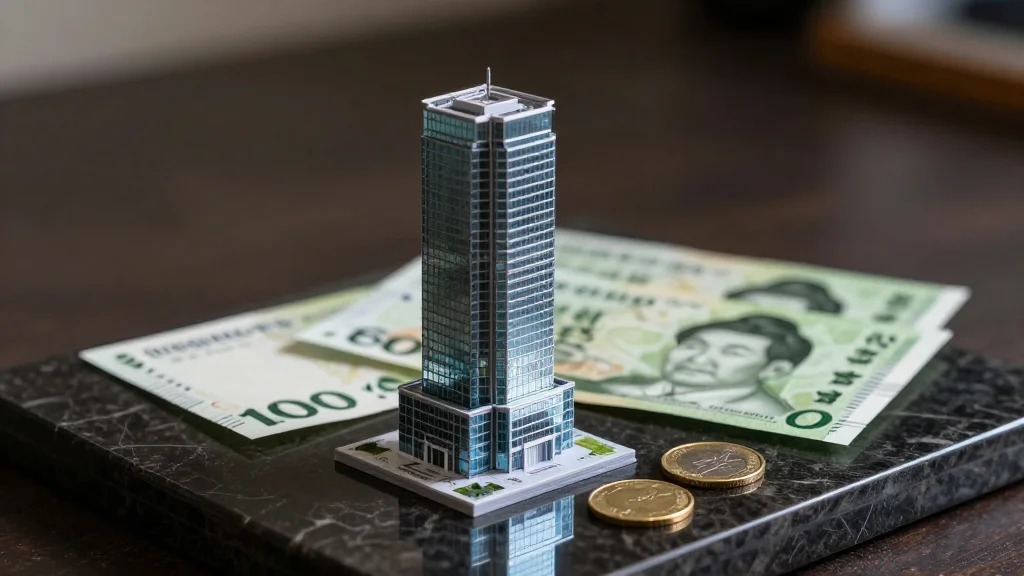
Seoul Commercial Real‑Estate Volume Drops 16% to $1.2 B in February

Why It Matters
The 16% contraction in Seoul’s commercial‑real‑estate volume signals that high borrowing costs are already reshaping investment behavior in one of Asia’s most dynamic property markets. For global investors, the slowdown serves as a barometer of how monetary tightening in advanced economies can cascade into emerging market assets, influencing allocation decisions across the region. Moreover, the scarcity of mega‑deals raises questions about the pipeline of new office and mixed‑use projects that have traditionally driven price appreciation in Seoul. If developers struggle to secure financing for large‑scale builds, the city could see a shift toward smaller, residential‑oriented projects, altering the supply‑demand balance and potentially moderating long‑term rental yields for commercial landlords.
Key Takeaways
- •February transaction volume fell to 1.6 trillion won (≈ $1.23 billion), a 16.4% drop from January.
- •Deal count rose 8.1% to 146, but no transactions exceeded 200 billion won.
- •iKorea site valued at 500 billion won (≈ $385 million) is slated for a 900‑unit apartment conversion.
- •NH NongHyup REIT Management bought Shilla Stay Seodaemun hotel for 146 billion won (≈ $112 million).
- •R.Square Research Center linked the volume decline to high interest rates and a traditionally slow February season.
Pulse Analysis
Seoul’s real‑estate market is entering a liquidity‑tight phase that mirrors broader global trends where central banks are using rate hikes to curb inflation. Historically, the city’s office sector has been buoyed by low‑cost financing and strong foreign demand; the current environment forces investors to re‑evaluate risk‑adjusted returns. The absence of >200 billion‑won deals suggests that capital is being redeployed toward assets with shorter payback periods, such as hotels and residential conversions, which can better absorb financing costs.
In the longer view, the market’s resilience will hinge on policy levers. Should the Korean government introduce incentives for office‑to‑residential conversions—an emerging trend in other high‑density Asian metros—developers could unlock new revenue streams, mitigating the impact of higher rates. Until such measures materialize, the sector is likely to see a continued tilt toward smaller, lower‑leverage transactions, a pattern that could recalibrate price dynamics and yield expectations for years to come.
Seoul Commercial Real‑Estate Volume Drops 16% to $1.2 B in February
Comments
Want to join the conversation?
Loading comments...