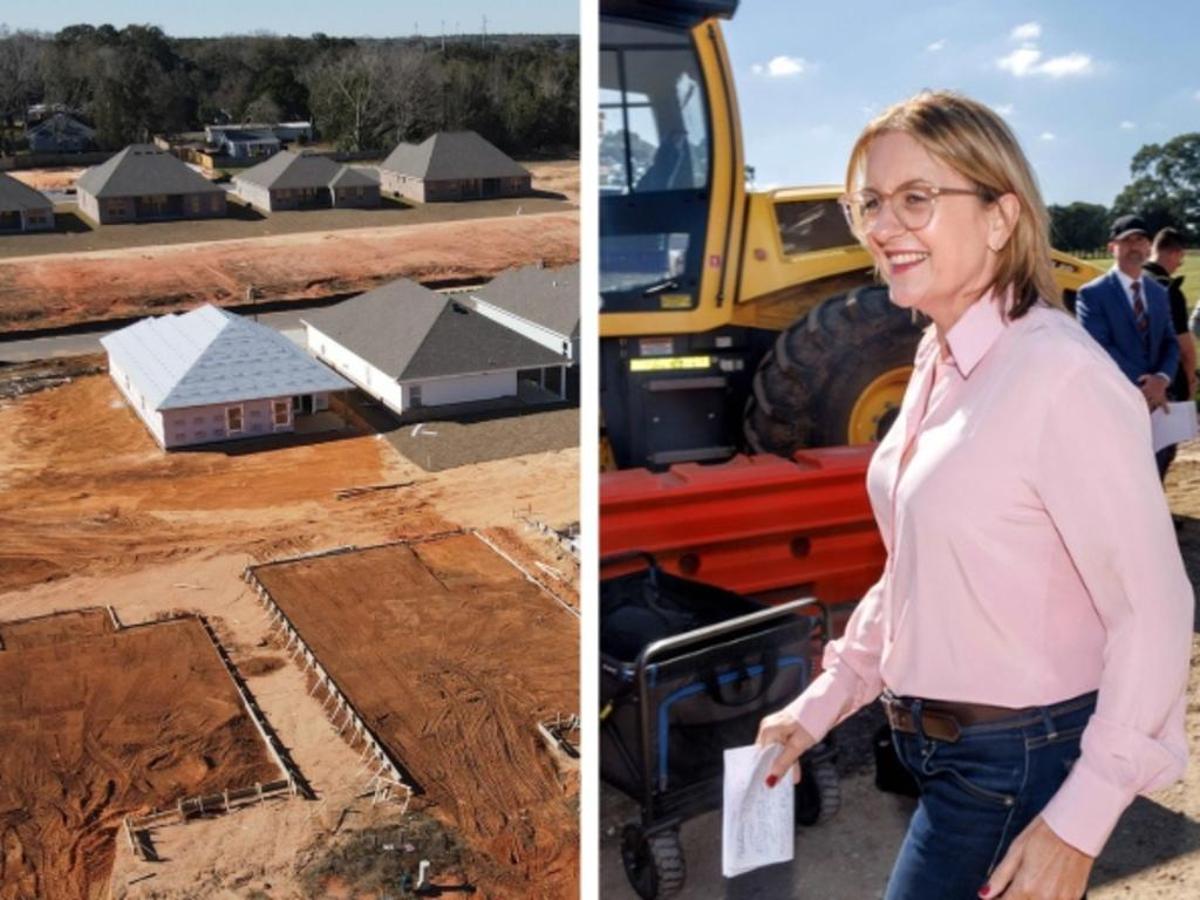
Victoria’s Home Building Dream Stalls as Housing Approvals Slump
Companies Mentioned
Why It Matters
Reduced approvals threaten Victoria’s housing affordability agenda and could delay construction jobs, while signaling broader confidence issues that may affect investor sentiment across Australia.
Key Takeaways
- •Victoria approved 54,687 new homes, down from 56,346 a year earlier.
- •Annual approvals fell >1,000 units between February and March 2025.
- •Target of 80,000 homes per year appears out of reach this year.
- •Land and vacancy taxes, plus low buyer confidence, dampen approvals.
- •National pipeline dropped 10.5%, with unit approvals down 26%.
Pulse Analysis
Victoria’s housing pipeline has slipped below the level needed to meet its ambitious ten‑year plan of 800,000 new dwellings. The latest ABS figures reveal 54,687 approvals in the trailing twelve months, a drop of roughly 1,660 approvals – about 3% – from the 56,346 recorded a year earlier. At that pace the state falls short of the 80,000 homes per year benchmark that Premier Jacinta Allan pledged, a shortfall that could translate into tens of thousands fewer units for prospective buyers. By contrast, the national pipeline contracted 10.5% in March, with unit permits plunging 26%.
Several policy levers appear to be dampening builder confidence. Victoria’s recent land‑tax reforms and vacancy‑tax measures, aimed at curbing speculative investment, have inadvertently raised holding costs for developers, making new builds less attractive relative to the already affordable existing‑home market. Meanwhile, New South Wales has accelerated approvals by underwriting apartment projects, a tactic Victoria has yet to emulate. Add to that a series of interest‑rate hikes and rising construction inputs linked to Middle‑East supply disruptions, and the cost of a new home can exceed AUD 100,000 – roughly US 66,000 – further suppressing demand.
The slowdown carries broader economic ramifications. Fewer approvals mean reduced activity for contractors, suppliers, and related services, potentially throttling job growth in a sector that traditionally fuels regional economies. For homebuyers, the lag exacerbates affordability pressures as limited supply pushes prices upward, especially in Melbourne’s outer suburbs. Policymakers will need to balance fiscal tools with targeted incentives to restore confidence before the next election cycle, lest Victoria lag behind other capitals in both housing delivery and construction‑sector vitality.
Victoria’s home building dream stalls as housing approvals slump
Comments
Want to join the conversation?
Loading comments...