Wall Street Bristles over Senate Housing Proposal
•March 4, 2026
0
Why It Matters
Restricting institutional ownership could reshape the U.S. housing supply, potentially easing affordability pressures while triggering market volatility. The bill also signals heightened political willingness to curb private‑equity influence in residential real estate.
Key Takeaways
- •Senate bill forces investors to sell homes within seven years
- •Wall Street warns market distortion and reduced rental supply
- •Bill includes fines for firms owning 350+ single‑family homes
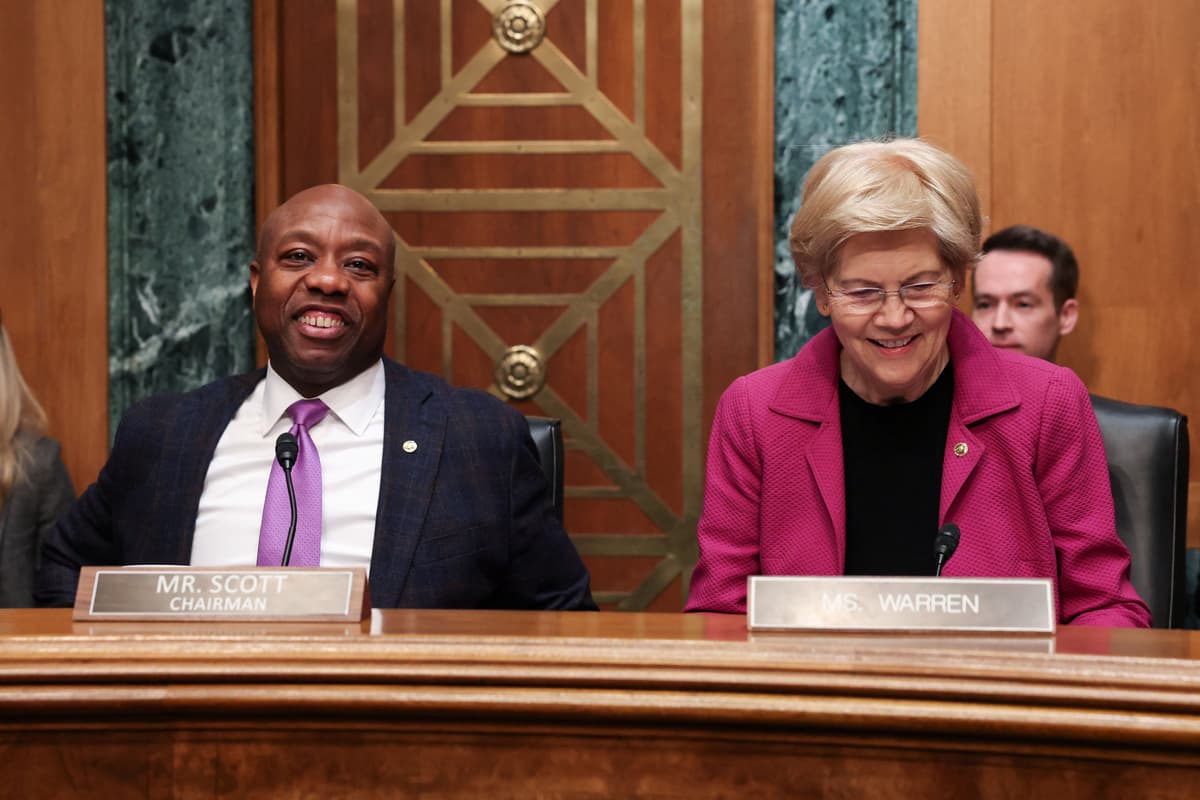
- •Trump, Tim Scott, Elizabeth Warren back bipartisan housing package
- •GOP skepticism persists; free‑market Republicans voice concerns
Pulse Analysis
Institutional investors have increasingly dominated the single‑family rental market, driving up prices and limiting homeownership opportunities for many Americans. By mandating a seven‑year divestiture window, the Senate’s proposal aims to restore a more balanced supply chain, encouraging individual buyers rather than corporate landlords. This approach aligns with President Trump’s broader housing agenda, which seeks to address the affordability crisis that has intensified during the pandemic and subsequent economic disruptions.
The legislation’s enforcement mechanisms are equally significant. Firms that own 350 or more single‑family homes face steep fines if they continue to acquire additional properties after a two‑year grace period, creating a financial deterrent against aggressive portfolio expansion. The bipartisan nature of the bill—backed by Senate Banking Chair Tim Scott, Democrat Elizabeth Warren, and the White House—reflects a rare consensus on housing reform, even as other policy areas like war‑powers votes and DHS funding remain contentious.
Market participants are reacting cautiously. Wall Street firms argue that the restrictions could reduce rental inventory, push up rents, and undermine the liquidity that institutional capital provides to the construction sector. Yet proponents contend that curbing corporate dominance will ultimately expand homeownership and stabilize neighborhoods. As the Senate moves toward a vote, the outcome will likely set a precedent for future regulatory interventions in the residential real estate market, influencing both investment strategies and policy debates for years to come.
Wall Street bristles over Senate housing proposal
0
Comments
Want to join the conversation?
Loading comments...