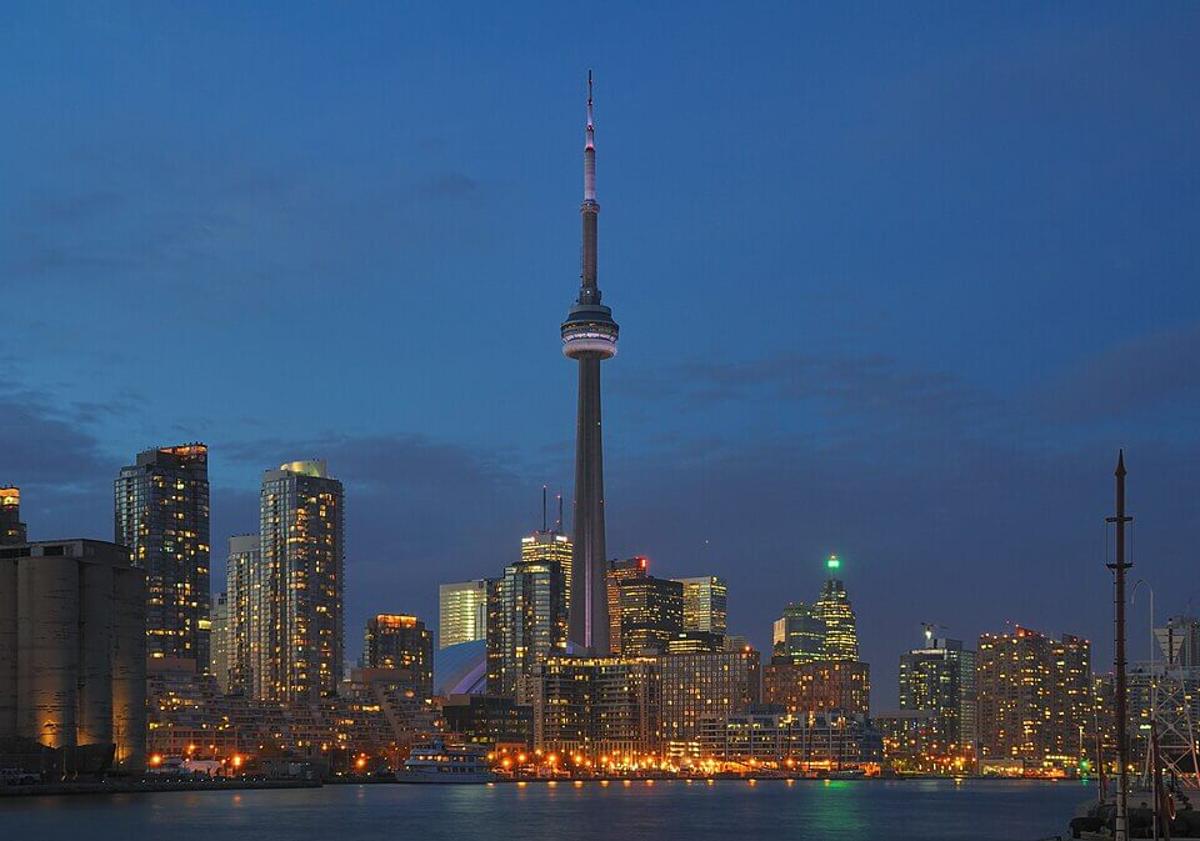
Where to Buy Real Estate in Canada 2026: City of Toronto
Why It Matters
The shift creates a strategic entry point for homebuyers and repositioned investment risk, while upcoming supply constraints could quickly reverse the current affordability advantage.
Key Takeaways
- •$1 B waterfront redevelopment reshapes Port Lands, adding homes and parkland.
- •Ontario Line expansion adds 15 stations, boosting neighborhood accessibility.
- •Average condo price fell 24% from 2022 peak to $399 K.
- •Downsview‑Roding‑CFB leads with 5‑year appreciation of 15% and $850 K homes.
- •Tight new condo supply and potential immigration surge could lift prices soon.
Pulse Analysis
Toronto’s housing correction is more than a temporary dip; it reflects a broader realignment of supply and demand fundamentals. The $1 billion Port Lands project, coupled with the 15‑station Ontario Line, injects long‑term value by linking under‑served districts to the downtown core and expanding parkland, a rare combination that traditionally commands premium pricing. Meanwhile, the market’s price pull‑back—condos down 24% from their 2022 peak and detached homes hovering near $1.5 million—has lowered the barrier to entry for first‑time buyers and move‑up purchasers, creating a narrow window where cash‑flow pressures ease and upside potential remains sizable.
Neighborhood analytics underscore this shift. Downsview‑Roding‑CFB, anchored by the former airfield redevelopment, boasts a perfect economics score, a 15% five‑year appreciation, and median household incomes near $222,000, signaling robust purchasing power. Edenbridge‑Humber Valley’s high‑end, ravine‑lined enclave maintains a $1.9 million average price but delivers strong value scores thanks to limited supply and elite amenities. Elms‑Old‑Rexdale illustrates how transit‑oriented upgrades—particularly the Finch West LRT—can transform a peripheral market into a growth engine, delivering a 17% five‑year price gain and attracting highly educated residents.
Looking ahead, two structural forces could curtail the current buyer advantage. First, new condo starts have plummeted, meaning the pipeline of affordable units will be thin for the next three to four years, tightening inventory and supporting price rebounds. Second, immigration policy, while presently restrained, remains a wildcard; a resurgence in newcomer inflows would intensify demand in the most accessible price segments. Savvy buyers and investors should therefore act decisively now, lock in favorable financing, and price properties with an eye toward the imminent supply‑demand squeeze.
Where to Buy Real Estate in Canada 2026: City of Toronto
Comments
Want to join the conversation?
Loading comments...