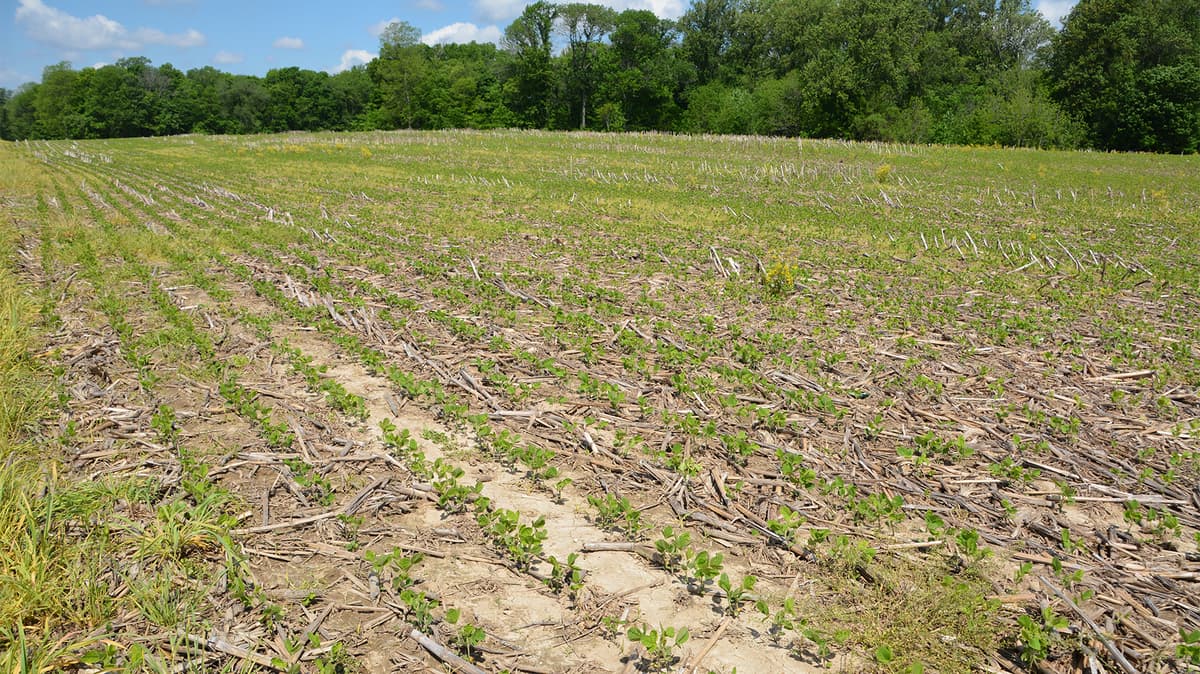
Why Land Prices Hold Steady Despite Low Crop Prices

Why It Matters
Stable farmland values signal resilience in agricultural real estate, guiding investors, lenders, and farm succession strategies.
Key Takeaways
- •Iowa farmland values rose 1.3% year‑over‑year
- •Turnover rate remains around 1.5% annually
- •Farmers purchase roughly 70% of all farmland
- •Developers and data centers add pressure to land prices
- •1031 exchanges let sellers reinvest, sustaining price stability
Pulse Analysis
Farmland has long been prized as a tangible hedge against inflation, and the latest data from the Federal Reserve Bank of Chicago and the Iowa Realtors Land Institute reinforce that reputation. While commodity prices for corn and soybeans have slipped, average land values in Iowa climbed 1.3% year‑over‑year, and the broader Midwest saw little deviation from recent highs. This paradox stems from the unique economics of agricultural real estate: land scarcity, long holding periods, and the ability to generate steady cash flow through crop production keep demand robust even when harvest margins tighten.
Supply constraints are the primary engine of price stability. Only about 1.5% of Indiana’s farmland changes hands annually, with similar thin‑market dynamics across Illinois and Ohio. Such low turnover means that quality parcels rarely appear, prompting buyers—especially farmers who account for roughly 70% of transactions—to bid aggressively for the few opportunities that arise. Institutional investors and developers, attracted by data‑center projects and residential expansion, add further upward pressure. Moreover, the 1031 exchange provision allows sellers to defer capital gains by reinvesting in comparable farmland, creating a self‑reinforcing cycle that sustains price levels despite broader agricultural volatility.
For investors and farm operators, the steady land market offers both reassurance and strategic considerations. The continued perception of farmland as an inflation‑resistant asset, coupled with neutral interest‑rate environments, makes it an appealing long‑term holding. However, prospective buyers must account for high input costs and the limited availability of prime acreage, which can compress yields on investment. Monitoring turnover rates, tax‑policy shifts, and emerging non‑farm demand will be essential for forecasting price trends through 2026 and beyond.
Why land prices hold steady despite low crop prices
Comments
Want to join the conversation?
Loading comments...