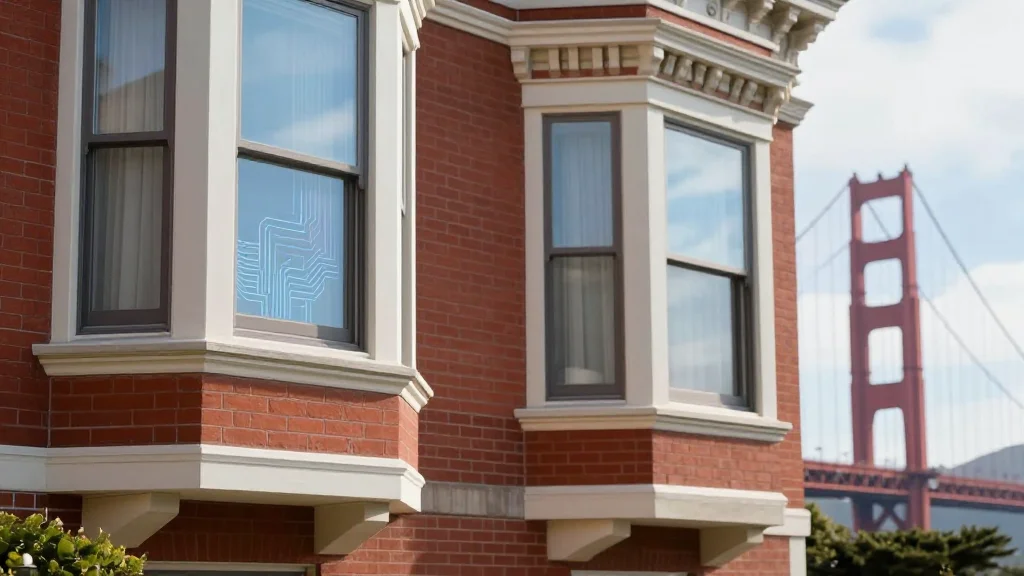
AI Wealth Drives San Francisco Luxury Home Prices Up 16% YTD, Defying National Slowdown

Companies Mentioned


Why It Matters
The San Francisco boom illustrates how a single industry can dramatically alter a local real‑estate market, creating both opportunities and challenges. For investors, the surge signals a high‑return environment for luxury developments, but also heightened risk if AI hiring slows. For policymakers, the story underscores the urgency of expanding affordable housing to prevent displacement of essential workers and preserve socioeconomic diversity. The outcome will influence how other tech‑centric cities manage rapid wealth influxes without sacrificing inclusivity. Nationally, the SF case may prompt other metros to re‑evaluate zoning and housing strategies, especially as AI talent spreads beyond traditional hubs. The interplay between industry‑driven demand and housing supply will shape the next decade of urban development across the United States.
Key Takeaways
- •Median San Francisco listing price up 16.2% YTD to $998,400, versus national median $425,000.
- •Luxury 95th‑percentile price rose 4.7% to $3,837,596, driven by AI‑sector compensation.
- •AI‑related home‑price gains in luxury zip codes: 13.4% increase over two years post‑ChatGPT.
- •Redfin agent Ali Mafi cites $1 million bonuses and multiple offers as price catalysts.
- •City plans to approve zoning reforms for up to 5,000 new housing units by 2029.
Pulse Analysis
San Francisco’s current trajectory is a textbook example of sector‑specific wealth concentration reshaping a city’s real‑estate fundamentals. Historically, tech booms have produced housing spikes, but the AI wave is distinct in its speed and compensation scale. Companies like OpenAI and Anthropic are not just hiring engineers; they are onboarding senior talent with equity packages that can exceed $10 million, instantly creating a buyer class capable of outbidding traditional home‑buyers. This influx has effectively reset the market’s price floor, making price corrections unlikely unless the AI hiring tide recedes.
From an investment perspective, developers are recalibrating risk models. Projects that once targeted median‑income buyers now prioritize high‑end units, a shift that boosts per‑unit returns but also raises exposure to market volatility. If AI funding cycles tighten or regulatory pressures curb AI expansion, the demand shock could evaporate, leaving a surplus of luxury inventory. Savvy investors will therefore diversify across asset classes and monitor AI capital flows closely.
Policy implications are equally profound. The city’s fiscal health benefits from higher property taxes, yet the social contract is strained as essential workers face mounting rent burdens. The proposed zoning reforms aim to inject supply, but they must be paired with affordable‑unit mandates to avoid a purely upscale market. Failure to act could entrench a two‑tier city: affluent AI professionals in high‑rise condos and displaced long‑time residents pushed to peripheral neighborhoods. The SF experience will likely serve as a blueprint—or warning—for other emerging AI hubs, illustrating how rapid wealth creation can both revitalize and polarize urban landscapes.
AI Wealth Drives San Francisco Luxury Home Prices Up 16% YTD, Defying National Slowdown
Comments
Want to join the conversation?
Loading comments...