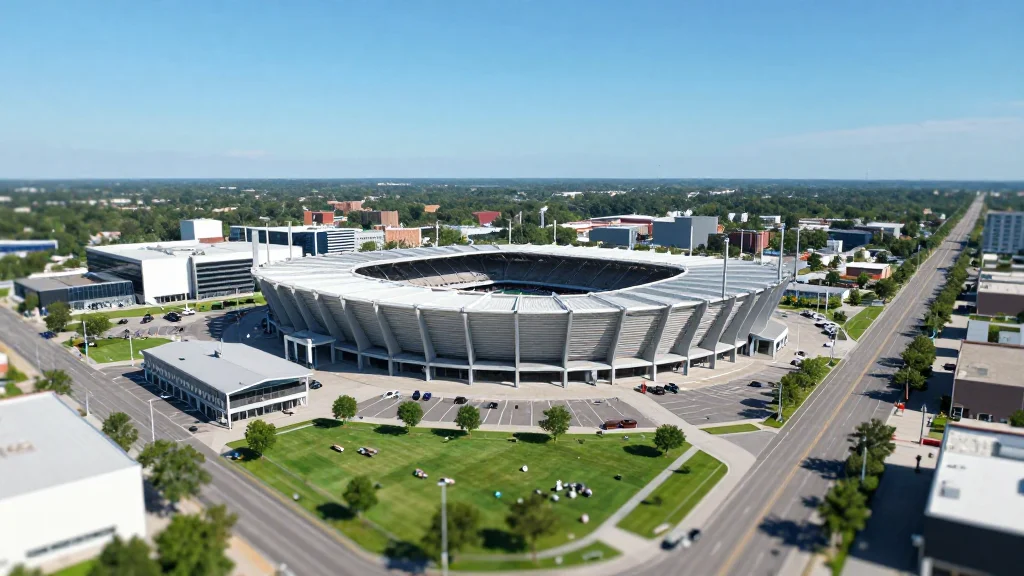
Broncos Unveil $150‑Acre Mixed‑Use Stadium District Plan for Denver’s Burnham Yard

Why It Matters
The Burnham Yard proposal represents one of the most ambitious stadium‑adjacent developments in the Mountain West, blending sports infrastructure with residential, retail and public amenities. By anchoring a mixed‑use district around a new stadium, the Broncos aim to generate year‑round economic activity, diversify revenue streams and create a new urban hub that could attract both locals and tourists. For real‑estate investors, the project signals a potential surge in demand for multifamily units, office space and hospitality assets in the surrounding neighborhoods, while also raising questions about affordability and displacement. Moreover, the plan highlights the growing influence of sports franchises in shaping city planning decisions. As municipalities grapple with traffic, housing affordability and community equity, the Broncos’ collaboration with Denver officials could become a template—or a cautionary tale—for other cities seeking to leverage the draw of professional sports to drive broader urban revitalization.
Key Takeaways
- •Broncos submit 150‑acre master plan for Burnham Yard, including a 30‑35‑acre stadium and mixed‑use Entertainment Zone.
- •Plan proposes a three‑lane expansion of Eighth Avenue and a new north‑south corridor dubbed "Broncos Way" to manage traffic.
- •Community advisory committee split on traffic benefits versus potential displacement of La Alma Lincoln Park residents.
- •The district will add 50‑60 acres of mixed‑use development, 15‑20 acres of open space and a dedicated tailgate park.
- •City Council expected to review the plan late 2026; outcome will impact Denver’s multifamily and retail market outlook.
Pulse Analysis
The Broncos’ Burnham Yard master plan arrives at a moment when Denver’s real‑estate market is tightening, with vacancy rates for office space hovering near historic lows and multifamily rents climbing above 8% year‑over‑year. By embedding residential and retail components directly into the stadium precinct, the franchise is betting on a shift from event‑centric revenue to a continuous stream of foot traffic. This mirrors successful models in cities like Seattle’s Climate Pledge Arena district and Los Angeles’ SoFi Stadium, where ancillary development has become a primary profit driver.
However, the plan’s reliance on expanding Eighth Avenue raises red flags for traffic engineers and community advocates. While the widened corridor may ease game‑day congestion, it could also accelerate car dependency, undermining Denver’s broader sustainability goals. The community’s concerns about displacement echo past stadium projects nationwide, where promised affordable‑housing components have often fallen short. If the Broncos and the city fail to lock in concrete affordability guarantees, the project could face legal challenges or public backlash that delay construction and erode investor confidence.
From an investment perspective, the Burnham Yard district could unlock significant upside for developers who secure early stakes in the mixed‑use parcels. The inclusion of a linear park and neighborhood park adds a public‑realm premium that can boost surrounding property values. Yet, the timeline remains uncertain; the council’s decision is slated for late 2026, and any delays—whether from community negotiations or financing hurdles—could push the groundbreaking into the early 2027 window. Stakeholders should monitor the city’s traffic‑impact studies, the finalization of any affordable‑housing commitments, and the evolving political climate, as these factors will determine whether Burnham Yard becomes a catalyst for Denver’s next growth wave or a cautionary example of over‑ambitious stadium‑centric development.
Broncos Unveil $150‑Acre Mixed‑Use Stadium District Plan for Denver’s Burnham Yard
Comments
Want to join the conversation?
Loading comments...