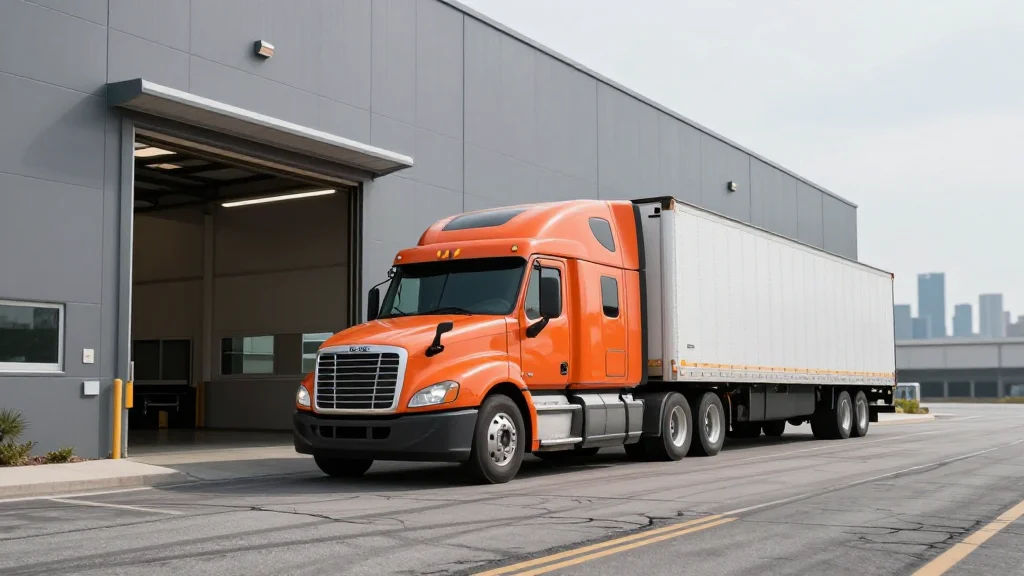
Chicago Suburbs’ Warehouse Surge Fuels Growth and Traffic Crisis

Companies Mentioned

Why It Matters
The Chicago warehouse corridor exemplifies the broader tension in U.S. industrial real estate: rapid expansion driven by e‑commerce demand versus the capacity of local infrastructure to absorb increased freight traffic. The surge in truck volumes threatens public safety, strains municipal budgets, and raises environmental concerns, highlighting the need for policy frameworks that align private logistics growth with community interests. How Chicago addresses these challenges could inform regulatory approaches in other emerging logistics corridors nationwide. Moreover, the situation underscores the hidden costs of the e‑commerce boom. While investors and retailers celebrate added square footage and faster delivery, residents bear the brunt of road degradation, higher accident rates, and pollution. Understanding and internalizing these externalities will be crucial for sustainable industrial development and for ensuring that economic benefits do not come at an untenable social price.
Key Takeaways
- •Developers have built >146 M sq ft of warehouse space in Chicago’s southwest suburbs since 2000.
- •Approximately 20,000 trucks pass through Joliet daily; 6,400 use local roads, a five‑fold increase.
- •Truck‑related crashes rose 8 % from 2021‑2024 versus the 2016‑2019 baseline.
- •Nearly 550 people are injured annually in truck crashes; one fatality occurs each month.
- •Local officials are considering infrastructure upgrades and possible fees on logistics firms.
Pulse Analysis
The Chicago southwest suburbs have become a textbook case of how e‑commerce reshapes the industrial real‑estate landscape. The sheer scale—146 million square feet of warehouse space—places the region among the nation’s most concentrated logistics hubs, rivaling the likes of Southern California’s Inland Empire. This concentration delivers undeniable economic upside: job creation, higher tax receipts, and a strategic advantage for retailers seeking rapid fulfillment.
However, the externalities are mounting. The 8 % rise in truck crashes, despite a statewide flat trend, signals that the local road network is a bottleneck. Municipalities are now footing the bill for road repairs, a cost that traditionally would have been absorbed by the users of the infrastructure. If left unchecked, the safety and environmental fallout could erode public support for further industrial expansion, prompting stricter zoning or even moratoriums on new warehouse permits.
Looking ahead, the corridor’s trajectory will hinge on collaborative solutions. Public‑private partnerships could fund road widening, dedicated truck lanes, or advanced traffic‑management systems, while imposing user fees on logistics firms would internalize the true cost of freight movement. Chicago’s response will likely serve as a template for other regions wrestling with similar growth‑vs‑capacity dilemmas, shaping the future of industrial real‑estate development across the United States.
Chicago Suburbs’ Warehouse Surge Fuels Growth and Traffic Crisis
Comments
Want to join the conversation?
Loading comments...