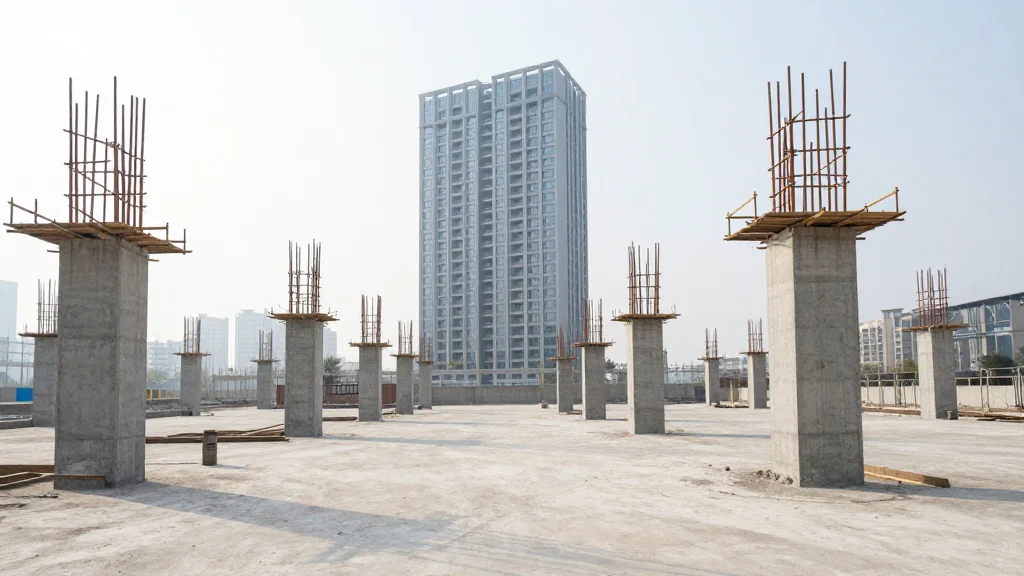
China’s Real Estate Reckoning: Lessons From Japan’s Lost Decade
Companies Mentioned
Why It Matters
The slowdown threatens to shift China’s growth engine from investment to consumption, risking a prolonged stagnation similar to Japan’s lost decade. Understanding the structural overhang is crucial for investors and policymakers shaping China’s macro‑economic trajectory.
Key Takeaways
- •Overbuilding in tier‑3 Chinese cities fuels prolonged price declines
- •Housing accounts for ~70% of Chinese household wealth, amplifying consumption cuts
- •Japan's lost decade shows real‑estate overhang can depress growth for a decade
- •Policy focus must shift from price stabilization to excess‑supply reduction
Pulse Analysis
China’s real‑estate correction has moved beyond a cyclical dip and now resembles the structural overhang that crippled Japan in the 1990s. While the Chinese government can intervene more swiftly than Western regulators, the sheer scale of housing construction—especially in smaller tier‑3 cities—has created a surplus that depresses prices and erodes household wealth. With roughly 70% of family assets tied to property, even modest price declines translate into sizable reductions in consumption, a key driver of GDP growth.
The parallels with Japan’s lost decade are striking. In both economies, regions that pursued aggressive building during boom periods now face deeper, longer‑lasting slowdowns. Japan’s experience shows that once real‑estate investment turns negative, the drag on growth can persist for a decade or more, even without a banking crisis. China’s situation is compounded by weaker social safety nets and an ageing population, which intensify precautionary savings and dampen demand.
Policymakers therefore need a two‑pronged approach: first, accelerate the unwinding of excess housing stock through targeted demolition, land‑sale reforms, or incentives for repurposing vacant units. Second, rebuild consumer confidence by strengthening social insurance, clarifying income prospects, and signaling a genuine shift toward consumption‑led growth. Without addressing the underlying supply glut and wealth‑effect drag, China risks a prolonged stagnation that could reshape global economic dynamics.
China’s real estate reckoning: Lessons from Japan’s lost decade
Comments
Want to join the conversation?
Loading comments...