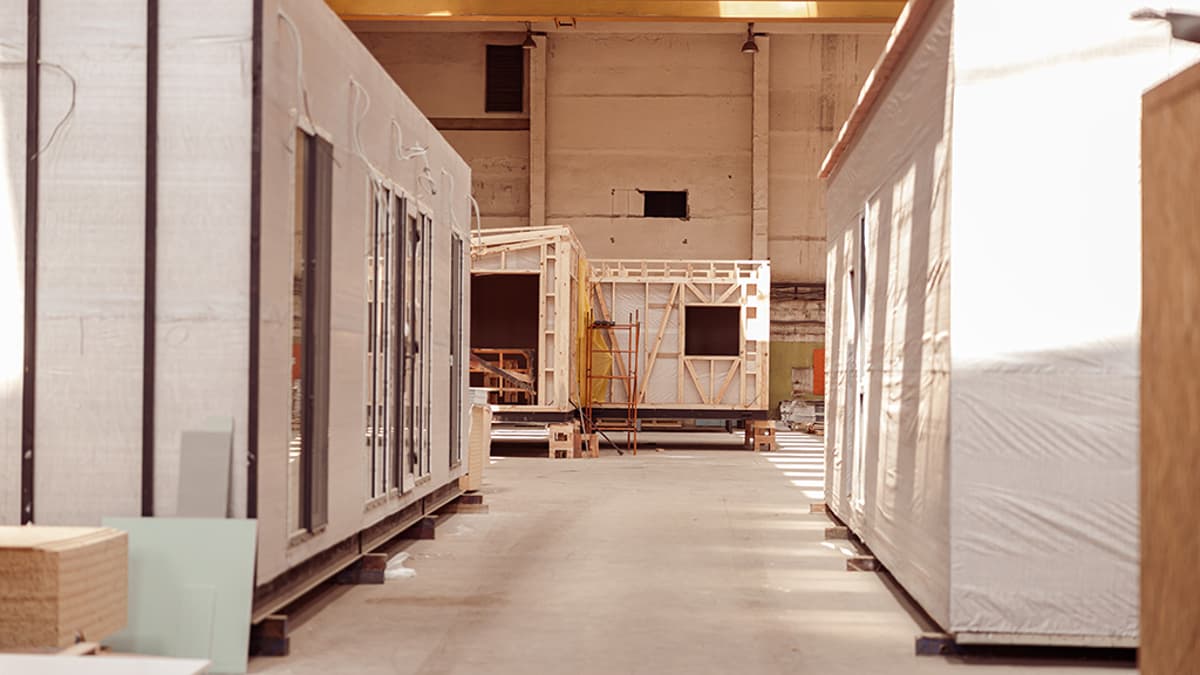
CMHC Expands Mortgage Loan Insurance Options for Prefabricated, Modular Homes
Why It Matters
By lowering upfront costs and accelerating construction timelines, the program tackles Canada’s affordability crisis while boosting the supply pipeline needed to meet ambitious housing‑start targets.
Key Takeaways
- •CMHC launches Prefab Plus, allowing 5% down payment on factory-built homes
- •Buyers receive mortgage funds in up to four construction‑draw milestones
- •Pilot program financed 800+ modular rental units across five provinces
- •Modular construction cut build time; 84‑unit Calgary project finished under a year
- •Expanded insurance targets doubling Canadian housing starts over the next decade
Pulse Analysis
Canada’s chronic housing shortage has pushed policymakers to explore faster, cost‑effective building methods. Prefabricated and modular construction, which assembles components in factories before site delivery, can shave months off traditional timelines and reduce labor waste. The Canada Mortgage and Housing Corporation (CMHC), the nation’s primary housing finance agency, is leveraging these efficiencies by expanding its mortgage‑loan‑insurance portfolio to cover such homes, signaling institutional confidence in the technology’s scalability.
The newly introduced Prefab Plus program lowers the barrier to entry for prospective owners by permitting a minimum 5% down payment, a stark contrast to the typical 20% required for conventional mortgages. Financing is released in up to four staged draws tied to construction milestones, mirroring the cash‑flow model used by developers and mitigating lender risk. The pilot phase, which underwrote more than 800 modular rental units in five provinces, demonstrated both speed and affordability—most notably the 84‑unit 605 Studio West complex in Calgary, completed and occupied in under a year. These outcomes provide a data‑driven proof point that modular homes can meet quality standards while delivering rapid occupancy.
Industry observers see the expanded insurance as a catalyst for broader adoption of modular techniques across Canada’s residential market. Builders gain access to low‑cost capital, while homebuyers benefit from reduced upfront equity requirements and shorter waiting periods. If the program succeeds in stimulating the projected doubling of housing starts, it could reshape supply chains, encourage factory‑scale production, and set a precedent for other jurisdictions grappling with similar affordability challenges. However, scaling will depend on local zoning flexibility, workforce training, and sustained government incentives.
CMHC expands mortgage loan insurance options for prefabricated, modular homes
Comments
Want to join the conversation?
Loading comments...