Construction Defect Lawsuits Driving Up Insurance Costs For Developers
Companies Mentioned
Why It Matters
Escalating defect lawsuits are inflating insurance costs, eroding profit margins for developers and potentially dampening new high‑rise construction in a key growth region.
Key Takeaways
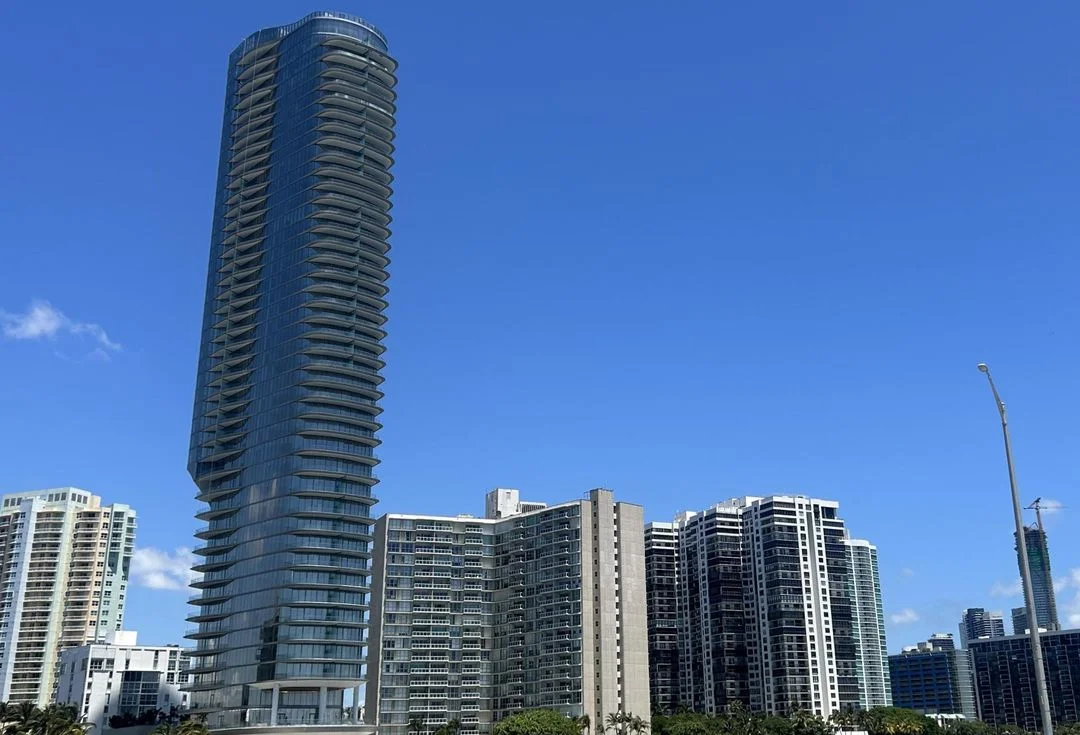
- •Three Miami luxury towers sued for concrete cracks, roof leaks
- •Chapter 558 claims push liability insurance premiums 4‑5× higher
- •Trial‑lawyer advertising fuels surge in construction defect lawsuits
- •Developers often let cases go to court, shifting costs to insurers
- •$22 million suit against insurers highlights $55 million loss exposure
Pulse Analysis
South Florida’s luxury condo boom is now shadowed by a surge in construction‑defect litigation that is reshaping risk calculations for developers. Chapter 558 of the state statutes, intended to give owners a pre‑litigation repair window, has instead become a catalyst for lawsuits. When associations invoke the provision, developers frequently defer remediation, allowing claims to evolve into full‑blown court battles. Insurers, obligated to cover the eventual payouts, have responded by hiking liability premiums to four or five times the norm for multifamily projects, squeezing developer margins.
The legal environment is amplified by a well‑funded trial‑lawyer industry that has poured millions into advertising and expanded its workforce across Florida, a state already dense with legal firms. Between 2022 and 2024, federal tort filings rose 20%, reflecting a broader national trend that now penetrates the high‑rise market. The combination of aggressive litigation tactics and the statutory Chapter 558 pathway creates a feedback loop: more lawsuits drive higher insurance costs, which in turn make new projects financially riskier, prompting developers to seek cost‑saving shortcuts that may trigger further claims.
For investors and developers, the implications are clear: risk management must evolve beyond traditional insurance buffers. Companies are increasingly litigating against insurers, as seen in OKO Group’s $22 million suit over inadequate coverage for $55 million in losses. Policymakers may need to tighten oversight of construction quality and reconsider the balance of Chapter 558’s intent versus its real‑world impact. Until reforms materialize, the heightened insurance expense will likely temper the pace of luxury high‑rise development in South Florida, reshaping the region’s growth trajectory.
Construction Defect Lawsuits Driving Up Insurance Costs For Developers
Comments
Want to join the conversation?
Loading comments...