Designing the Future
•March 3, 2026
0
Why It Matters
These trends redefine asset value, lower operating costs, and meet rising demand for sustainable, resilient living, giving developers a competitive edge in a climate‑vulnerable market.
Key Takeaways
- •Regenerative design generates more energy than it consumes
- •AI optimizes energy, lighting, and predictive maintenance
- •Prefabrication cuts costs, speeds construction, improves safety
- •Engineered bamboo offers sustainable, locally sourced building material
- •Mixed-use, walkable neighborhoods enhance wellness, reduce commutes
Pulse Analysis
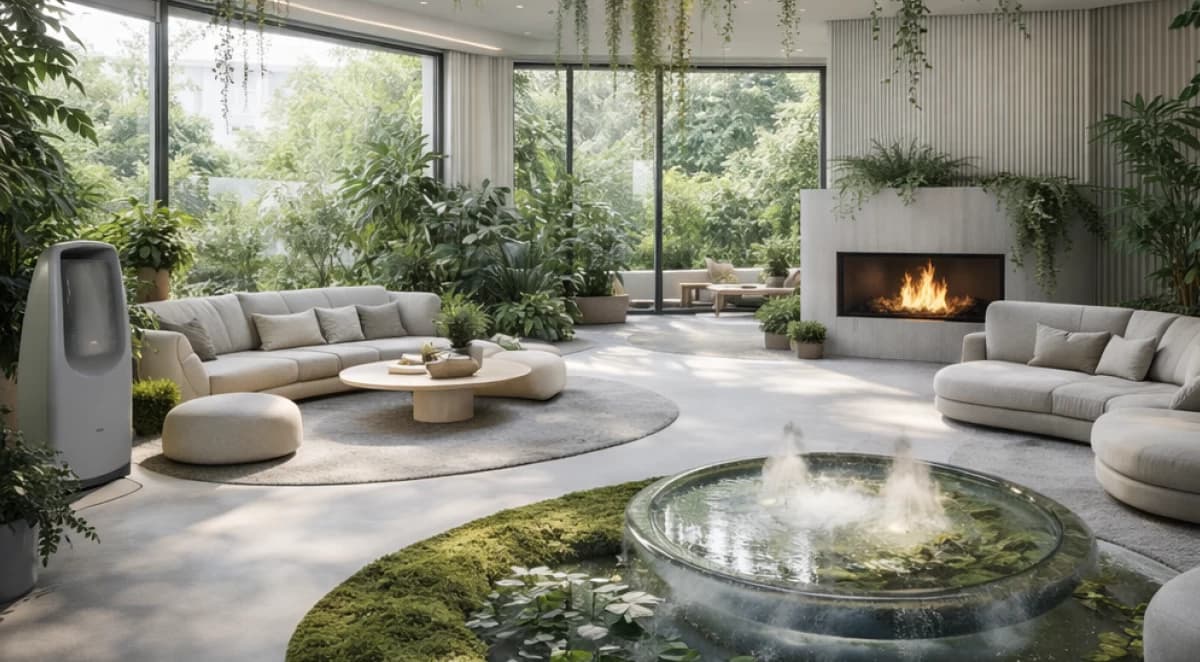
The Philippine real estate sector is moving beyond traditional sustainability toward regenerative design, where buildings actively restore the environment rather than merely limit damage. Developers are embedding passive cooling, flood‑resilient elevations, and on‑site solar generation to create structures that produce more energy than they consume. Interior systems are being calibrated to circadian rhythms, delivering natural ventilation and air‑purification that improve occupant health. This climate‑responsive approach not only mitigates the country’s exposure to typhoons and rising temperatures but also positions projects for premium pricing in a market that values ecological stewardship.
Artificial intelligence and prefabrication are reshaping how Filipino projects are conceived and delivered. AI‑driven design tools translate client preferences into visual simulations, accelerating decision‑making while preserving cultural nuance. At the same time, off‑site prefabricated modules reduce labor shortages, lower construction waste, and shorten timelines, a critical advantage in a typhoon‑prone environment. Material innovation, especially engineered bamboo and other locally sourced composites, offers high strength, carbon‑sequestration benefits, and a distinct aesthetic that aligns with the Philippines’ craftsmanship heritage. Together, these technologies drive cost efficiency, safety, and a greener building stock.
The most compelling market shift is toward human‑centric, mixed‑use districts that prioritize walkability, green corridors, and decentralized nodes. By integrating residential, office, retail, and wellness spaces, developers reduce commute times and foster community resilience, a value proposition increasingly demanded by post‑pandemic lifestyles. Incorporating Filipino cultural motifs—local textures, communal spaces, and bayanihan principles—creates a sense of place that differentiates projects from homogenized global templates. Investors are responding, rewarding developments that combine regenerative performance, technological integration, and culturally rooted design with higher occupancy rates and longer asset lifespans.
Designing the future
0
Comments
Want to join the conversation?
Loading comments...