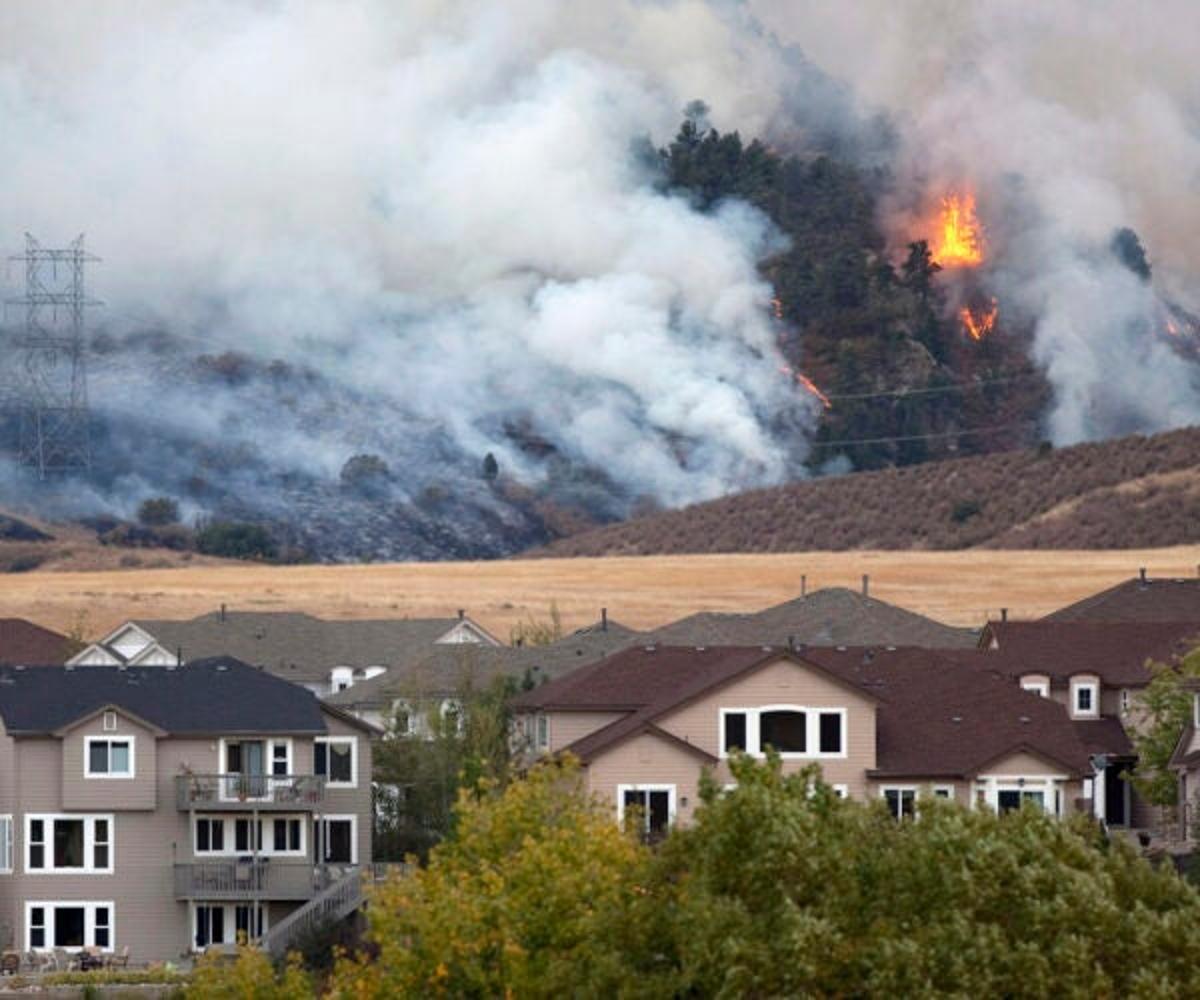
Does Your Insurance Protect You From Climate Risk?
Why It Matters
Mispricing climate risk exposes homeowners, lenders, and taxpayers to hidden losses, while fragile insurers amplify default risk after disasters, demanding tighter regulatory oversight.
Key Takeaways
- •Mispriced climate risk inflates mortgage rates and insurance premiums
- •Fragile insurers have 20% insolvency rate after catastrophes
- •Insurer failures raise homeowner mortgage default risk
- •Fannie Mae and Freddie Mac need stricter insurer screening
- •Research highlights taxpayer exposure from under‑priced climate losses
Pulse Analysis
Climate change is reshaping the financial landscape, but the signals that markets rely on to price risk are lagging. Sastry and her co‑authors demonstrate that property insurance premiums and mortgage interest rates often ignore the true probability of extreme weather events. This mispricing not only leaves homeowners under‑protected but also distorts credit allocation, funneling loans into high‑risk zones where the likelihood of loss is growing. By quantifying the gap between perceived and actual risk, the paper adds a crucial layer to the ongoing debate about climate‑adjusted pricing in the housing sector.
The research spotlights a class of "fragile" insurers—smaller firms with limited capital, weak diversification, and subpar reinsurance arrangements. With an observed 20% insolvency rate following major catastrophes, these insurers can’t honor claims promptly, forcing affected households to shoulder reconstruction costs. When insurance payouts stall, borrowers often lack the cash flow to service their mortgages, leading to higher default rates. This chain reaction amplifies systemic risk, pulling government‑sponsored enterprises like Fannie Mae and Freddie Mac into the fallout as they guarantee many of these loans.
Policymakers now face a clear mandate: integrate climate‑risk assessments into underwriting standards and enforce rigorous insurer vetting. Strengthening capital requirements and encouraging broader reinsurance can reduce fragility, while transparent risk‑based pricing can protect taxpayers from indirect exposures. Future research should explore dynamic pricing models, the role of climate‑linked securities, and how emerging data sources can improve actuarial forecasts. As climate events become more frequent, aligning insurance and mortgage markets with true risk will be essential for financial stability and consumer confidence.
Does Your Insurance Protect You From Climate Risk?
Comments
Want to join the conversation?
Loading comments...