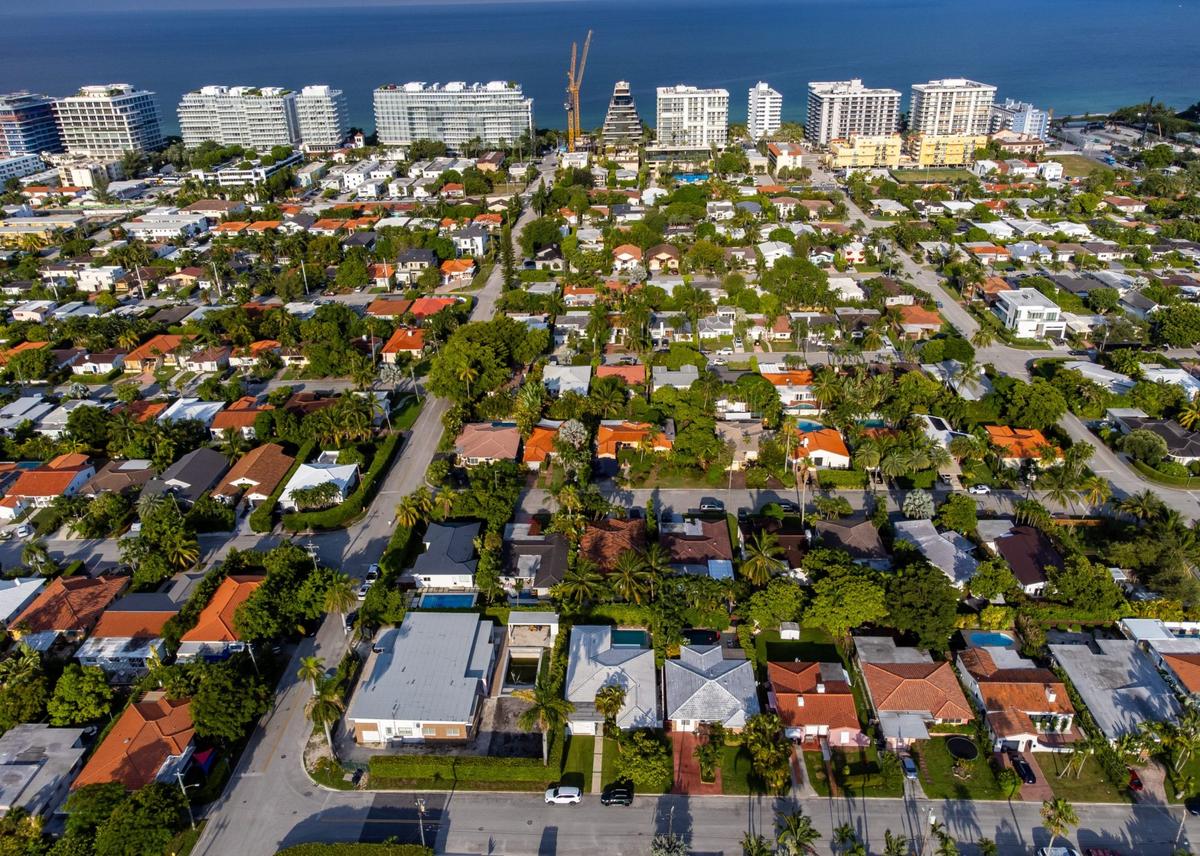
Florida’s Influx of Rich Residents Is Killing the Middle Class and Housing Market
Companies Mentioned
Why It Matters
The wealth‑driven price surge erodes affordable housing, threatening the labor pool that underpins Florida’s tourism and service economy and could destabilize the state’s long‑term growth model.
Key Takeaways
- •Florida gained $20.65 B in AGI from out‑of‑state wealth migrants in 2023
- •Median single‑family home price reached $420 K, price‑to‑income ratio over 5.4
- •Cash buys ~40% of Miami sales, 82% for $1M+ condos
- •Insurance premiums average $8,300 annually, 181% above national average
- •Out‑migration rising as middle‑income families seek cheaper states
Pulse Analysis
Wealth migration has become the engine behind Florida’s housing surge. IRS data shows the state captured a net $137 billion in income between 2019 and 2023, outpacing California and New York. High‑earning newcomers—average income $122,530—target a limited inventory of homes, inflating median prices to $420,000 and pushing the price‑to‑income ratio beyond 5 times. The rapid appreciation of million‑dollar properties, now comprising 28% of Miami‑Dade listings, signals a market increasingly tailored to affluent buyers rather than the traditional middle‑class base.
Cash liquidity further skews competition. In Miami, roughly 39% of home purchases are all‑cash, climbing to 82% for condos above $1 million. Sellers favor cash offers for their speed and certainty, often accepting a 5‑10% premium over financed bids. This dynamic sidelines local workers who rely on mortgages, exacerbating affordability gaps. Meanwhile, Florida’s insurance landscape adds another layer of strain: average annual premiums of $8,300—more than double the national norm—inflate total housing costs, especially for older homes lacking modern hurricane protection.
The socioeconomic fallout extends beyond real estate. Retail, hospitality, and healthcare sectors, which depend on middle‑income residents, are losing workers as families relocate to lower‑cost states such as North Carolina, Tennessee, and Texas. This “South Florida fatigue” threatens the labor pipeline that fuels the state’s tourism‑driven economy. As the middle class shrinks, the risk of a feedback loop grows: fewer workers mean reduced consumer spending, potentially dampening economic growth and prompting further out‑migration. Policymakers must address both supply constraints and cost burdens to preserve Florida’s long‑term attractiveness.
Florida’s influx of rich residents is killing the middle class and housing market
Comments
Want to join the conversation?
Loading comments...