Home Improvement Loan Applications Moderate as Borrower Profile Gradually Ages
•February 26, 2026
0
Why It Matters
Lenders see a stable, slightly older loan pool, influencing product design and risk assessment. The construction sector can anticipate sustained demand for remodeling services despite a cooling loan surge.
Key Takeaways
- •Loan applications fell from 2022 peak to 2024
- •2024 applications still above pre‑pandemic levels
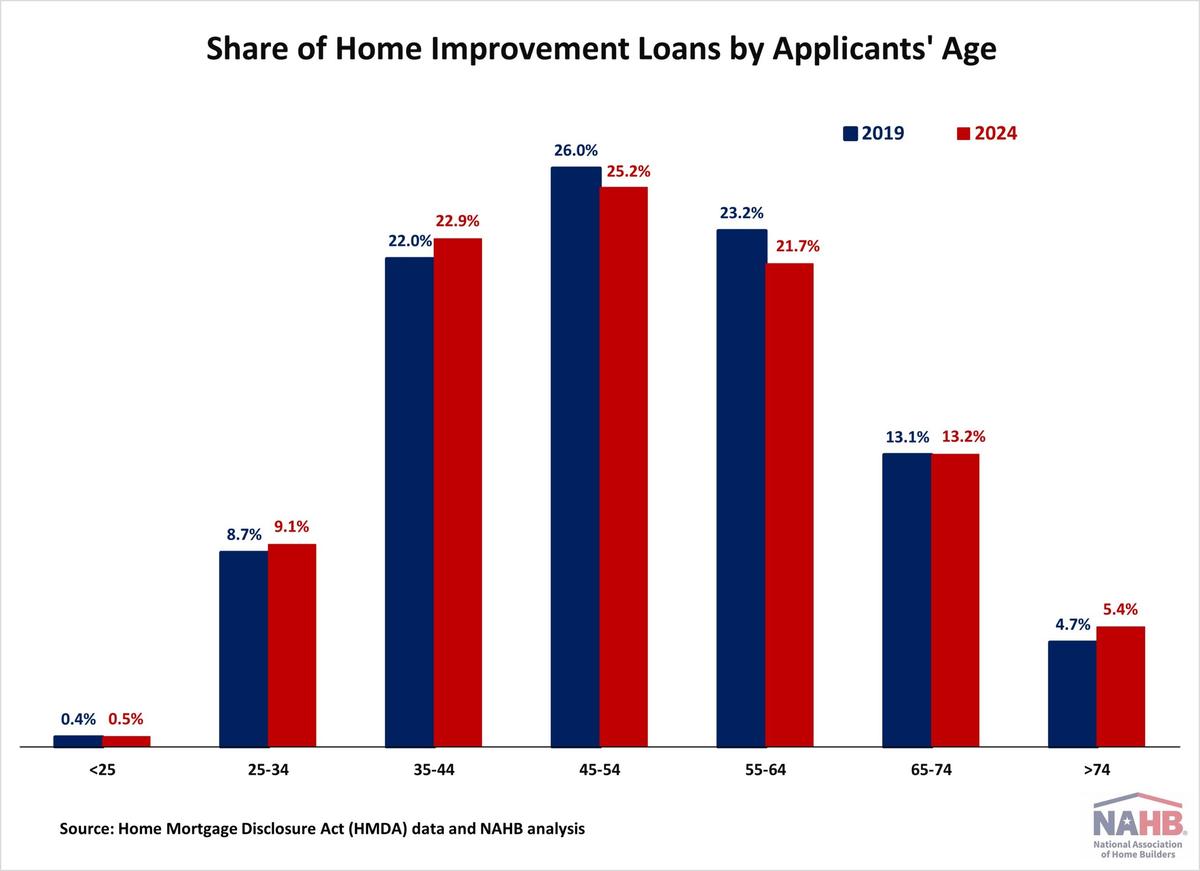
- •Borrower age 45‑54 remains largest cohort
- •Share of borrowers 65+ rose to 5.4%
- •Younger buyers 35‑44 slightly increased share
Pulse Analysis
The post‑pandemic remodeling boom left a lasting imprint on the home‑improvement loan market. After a sharp rebound in 2021‑2022, applications eased to 1.20 million in 2024, yet they remain higher than the 2019 baseline. This resilience is driven by an aging housing stock and a chronic shortage of resale homes, prompting owners to invest in upgrades rather than relocate. Lenders have adjusted underwriting standards to accommodate a broader range of credit profiles, while still capitalizing on the elevated demand for renovation financing.
Demographically, the borrower landscape is aging in step with the nation’s homeowner base. The 65‑74 segment nudged up to 13.2% of applications, and those over 74 climbed to 5.4%, pushing the combined 65+ share to 18.6% in 2024. Older homeowners are increasingly pursuing aging‑in‑place projects, such as accessibility modifications and energy‑efficiency retrofits, creating niche opportunities for lenders offering tailored loan products and for contractors specializing in senior‑friendly renovations. At the same time, modest gains among 35‑44 borrowers signal that trade‑up buyers continue to remodel rather than purchase new homes amid high mortgage rates.
For the broader industry, these trends signal a steady pipeline of remodeling work and a loan portfolio that skews older, which may affect default risk profiles and repayment behavior. Financial institutions are likely to develop senior‑focused loan features, such as longer amortizations and flexible underwriting, while monitoring the impact of rising interest rates on borrower affordability. Contractors and material suppliers can expect continued demand for renovation projects, especially those enhancing home longevity and comfort for older occupants. As inventory constraints persist, the home‑improvement sector is poised to remain a key driver of residential spending in the coming years.
Home Improvement Loan Applications Moderate as Borrower Profile Gradually Ages
0
Comments
Want to join the conversation?
Loading comments...