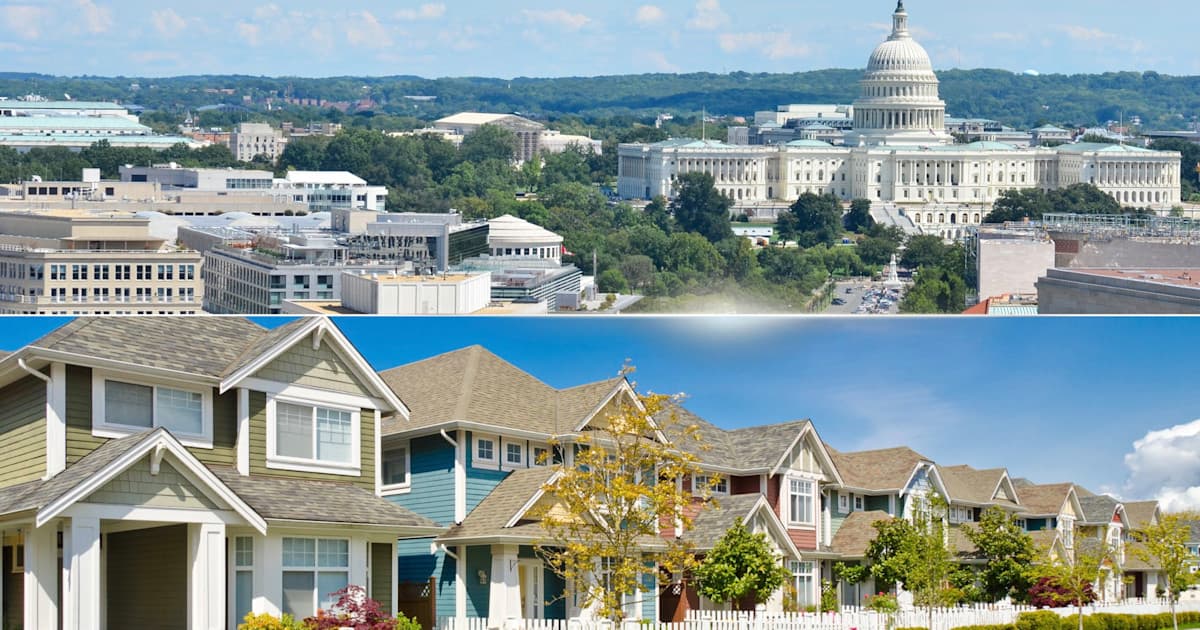
Housing Shortage Number Raises Eyebrows; Fed Nominee Hearing Set
Why It Matters
The divergent housing‑deficit numbers shape policy priorities for construction incentives and affordable‑housing programs, while the Warsh hearing underscores how political and legal battles can delay monetary‑policy leadership. Rising fraud losses erode consumer confidence and signal a need for stronger regulatory safeguards.
Key Takeaways
- •White House cites 10 million home deficit, double economists' estimates
- •Realtor.com estimates 4.03 million homes short, far below White House figure
- •Senate hearing for Fed chair nominee Kevin Warsh set for April 21
- •Real‑estate fraud losses rose to $275 million in 2025, up from $174 million
- •DOJ investigation into Powell stalls Warsh confirmation despite bipartisan support
Pulse Analysis
The housing‑deficit debate has resurfaced as the White House releases a stark 10‑million‑home shortfall figure, far exceeding the 3‑to‑5‑million range most analysts cite. This discrepancy fuels calls for federal stimulus to revive stalled construction, especially in the single‑family segment that has lagged since the 2008 crisis. Policymakers risk over‑building if they chase the inflated number, but under‑addressing the genuine inventory gap could deepen affordability challenges for first‑time buyers and widen regional price disparities.
Kevin Warsh’s upcoming Senate Banking Committee hearing illustrates how nomination battles extend beyond qualifications to broader political leverage. Democrats are using the confirmation process to press the Justice Department for a resolution to the investigation into current Chair Jerome Powell, effectively tying Warsh’s fate to the DOJ’s actions. A delayed appointment could leave the Federal Reserve without a confirmed leader past the May 15 term end, potentially unsettling markets that watch for continuity in interest‑rate policy and inflation targeting.
The FBI’s latest Internet Crime Report shows real‑estate fraud losses climbing to $275 million in 2025, a significant rise from $174 million in 2024. The surge reflects both sophisticated schemes targeting inexperienced buyers and a broader digital‑crime ecosystem exploiting pandemic‑era remote transactions. As complaints swell, industry groups like the National Association of Realtors are urging tighter verification protocols and consumer‑education campaigns. Strengthening enforcement and awareness can help protect investors and maintain confidence in the housing market amid ongoing supply‑side uncertainties.
Housing shortage number raises eyebrows; Fed nominee hearing set
Comments
Want to join the conversation?
Loading comments...