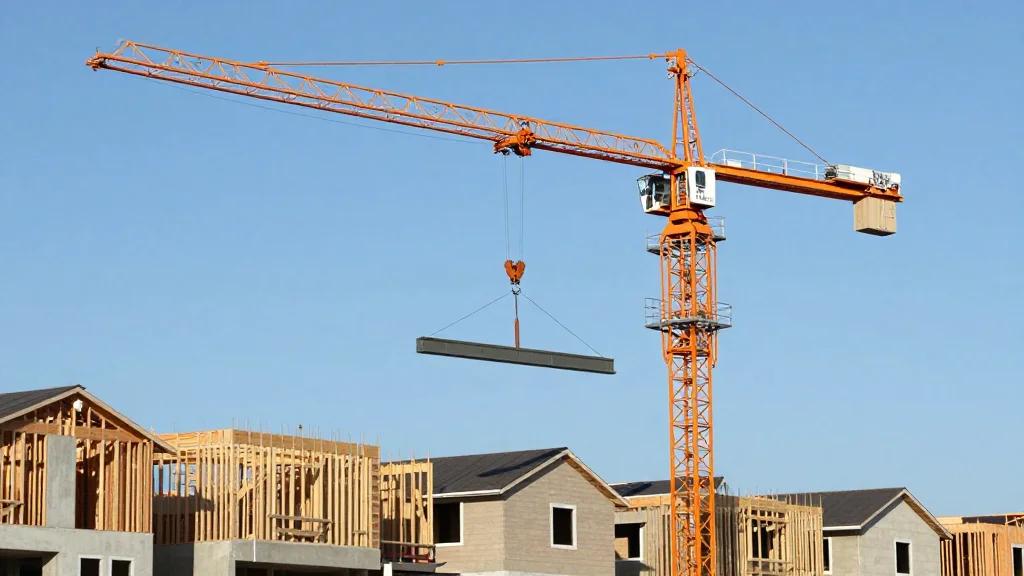
Housing Starts Surge to Highest Level Since December 2024
Why It Matters
The surge signals renewed construction activity that could boost related supply chains, yet the drop in permits and sentiment highlights lingering affordability and economic uncertainty that may temper future growth.
Key Takeaways
- •March housing starts hit 1.5 million, 10.8% YoY rise.
- •Single‑family starts reached 1.03 million annualized, up 9.7%.
- •Northeast led regional growth, all regions posted increases.
- •Building permits fell to 1.37 million, lowest since August.
- •Homebuilder sentiment slipped to seven‑month low in April.
Pulse Analysis
The latest Census Bureau data shows U.S. housing starts climbing to a 1.5 million annualized pace in March, the strongest level since December 2024. This 10.8 % jump reflects a resurgence of builder confidence after a prolonged slowdown, driven largely by aggressive sales incentives and a modest easing of supply‑chain bottlenecks. While mortgage rates remain elevated, the surge signals that demand for new homes—particularly single‑family units—has not evaporated. Analysts view the uptick as a potential catalyst for related sectors such as lumber, concrete, and home‑improvement retailers, which have been awaiting a clear market signal.
Despite the headline‑grabbing rise, the underlying dynamics are mixed. Building permits, a forward‑looking indicator, slipped to 1.37 million in March—the lowest figure since August—suggesting that the current boom may be short‑lived. Single‑family permits fell 3.8 %, hinting at lingering affordability pressures as home prices and borrowing costs stay high. Regional data shows the Northeast outpacing other markets, likely benefiting from tighter inventory and stronger local employment. Builders are countering buyer hesitancy with cash‑back offers and rate‑buydown programs, but the recent dip in the NAHB/Wells Fargo home‑builder sentiment index to a seven‑month low underscores persistent uncertainty.
Looking ahead, the housing market faces a confluence of headwinds and opportunities. Geopolitical tension from the war in Iran is pushing material costs higher and adding volatility to mortgage‑rate expectations, which could dampen further start growth. Conversely, the surge in business‑equipment orders—a proxy for broader capital investment—may bolster consumer confidence and indirectly support residential demand. Market watchers will monitor permit trends, credit conditions, and the trajectory of builder sentiment to gauge whether the March surge marks the start of a sustained recovery or a temporary blip. For investors, the sector’s performance will likely remain closely tied to macro‑economic stability and fiscal policy signals.
Housing starts surge to highest level since December 2024
Comments
Want to join the conversation?
Loading comments...