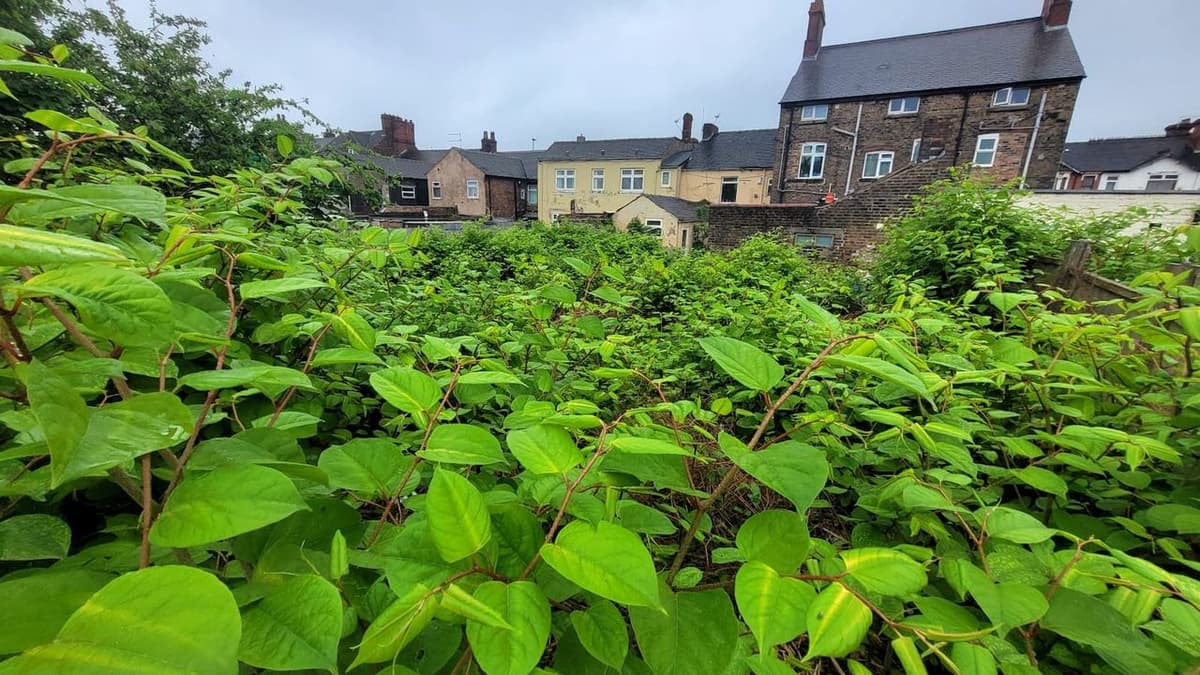
Japanese Knotweed Is Affecting 7% of UK Homes and Reducing Property Values by Around 5% in 2026
Companies Mentioned
Why It Matters
The infestation directly erodes household wealth and hampers market liquidity, forcing sellers to invest in costly remediation before a sale can close. It also signals a broader risk for lenders and insurers who must account for de‑valued collateral.
Key Takeaways
- •1.5 million UK homes (~7%) host Japanese knotweed.
- •Affected properties lose about 5% of market value.
- •Buyers often refuse purchases with any knotweed presence.
- •Treatment can take 5‑10 years and cost thousands.
- •Early detection and guarantees now common in listings.
Pulse Analysis
Japanese knotweed, a fast‑growing invasive species native to East Asia, has entrenched itself in the UK’s built environment over decades. Its rhizome network can penetrate concrete, drainage, and foundations, making eradication a technical challenge. While the plant itself poses no direct health threat, its presence triggers strict disclosure requirements under UK property law, and local councils often impose remediation orders. The recent Environet study underscores how a botanical nuisance has morphed into a systemic market risk, especially in densely populated post‑industrial towns where the plant thrives in disturbed soils.
The valuation impact is stark: a 5% price reduction on a median UK home—valued at roughly £260,000—means an average loss of £13,000 per property. Mortgage lenders, wary of collateral depreciation, increasingly demand proof of professional treatment before approving loans, extending the sales pipeline. Buyer sentiment surveys reveal a sizable segment unwilling to consider any property with visible knotweed, driving down demand in affected neighborhoods. This buyer aversion not only depresses prices but also inflates transaction costs as sellers negotiate remediation guarantees or price concessions, reshaping the dynamics of local housing markets.
For homeowners, proactive management is now a financial imperative. Early site surveys, coupled with certified treatment contracts that include long‑term guarantees, can preserve marketability and mitigate value loss. Industry bodies are advocating for standardized remediation protocols and faster, cost‑effective biocontrol methods to shorten the typical five‑to‑ten‑year treatment horizon. As climate change and urban redevelopment continue to create suitable habitats, policymakers may need to tighten invasive‑species regulations, while insurers could adjust premiums for knotweed‑prone properties. In the meantime, vigilant owners who address infestations promptly are better positioned to protect their biggest asset.
Japanese knotweed is affecting 7% of UK homes and reducing property values by around 5% in 2026
Comments
Want to join the conversation?
Loading comments...