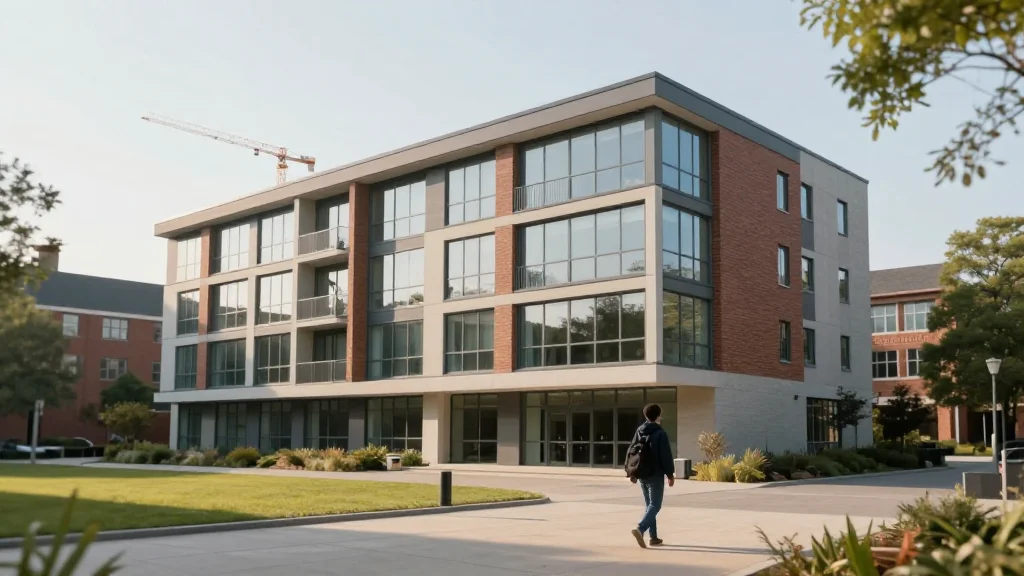
Magic Johnson, Greystar Partnering On UPenn Housing Redevelopment: The Philadelphia Deal Sheet
Companies Mentioned
Why It Matters
The partnership introduces a novel infrastructure‑funding model for university housing, potentially accelerating supply of affordable graduate‑student accommodation in high‑cost markets. It also signals growing investor interest in stable, education‑linked real‑estate assets.
Key Takeaways
- •Greystar and Magic Johnson’s JLC will redevelop 493 student beds
- •Project includes 11,200 SF amenity space with fitness, gaming, test kitchen
- •Units priced affordably for graduate students, expanding UPenn’s housing capacity
- •Greystar’s first infrastructure‑platform‑funded student housing marks new financing model
Pulse Analysis
The collaboration between the University of Pennsylvania and Greystar reflects a broader shift toward institutional investors leveraging infrastructure‑style capital for student housing. Traditional developers have relied on equity and conventional debt, but Greystar’s dedicated platform offers longer‑term, lower‑cost financing that aligns with the stable cash flows generated by university‑backed leases. By bringing Magic Johnson’s JLC fund into the mix, the deal adds a high‑profile equity partner whose brand can attract additional capital and community support, reinforcing the appeal of education‑linked real estate as a low‑volatility asset class.
Graduate‑student demand in Philadelphia has surged as enrollment climbs and private‑sector housing remains scarce. The 448 furnished units at 3650 Chestnut St. aim to fill this gap with “attainably priced” rentals, a positioning that could set a benchmark for other universities facing similar pressures. The inclusion of an 11,200 SF amenity suite—complete with a fitness center, gaming room, and test kitchen—signals a move toward experience‑driven living spaces that cater to the lifestyle expectations of modern students, potentially boosting occupancy rates and rent premiums.
From an investment perspective, Greystar’s inaugural infrastructure‑funded student housing project could catalyze a wave of similar structures across the sector. The model blends the predictability of university lease contracts with the scalability of infrastructure financing, offering investors a compelling risk‑adjusted return profile. As more campuses explore partnerships to expand housing capacity, the Greystar‑JLC blueprint may become a template for aligning capital efficiency with the social goal of expanding affordable graduate‑student accommodation.
Magic Johnson, Greystar Partnering On UPenn Housing Redevelopment: The Philadelphia Deal Sheet
Comments
Want to join the conversation?
Loading comments...