Manufacturing Supply Chains Under Pressure as Land Constraints Reshape Australian Warehousing Strategy, Says Dematic
Why It Matters
Vertical, automated warehouses cut land costs, boost throughput and enhance supply‑chain resilience, reshaping investment priorities across Australian manufacturing and logistics.
Key Takeaways
- •Industrial vacancy in Australia peaks at 3.6% in H2 2026.
- •Vertical high‑bay warehouses can reach 30‑45 m, saving floor space.
- •Companies like Americold and Diageo adopt automated, consolidated hubs.
- •Manufacturers explore on‑site automation to cut transport and land use.
- •Board‑level strategy replaces simple site selection for new warehouses.
Pulse Analysis
Australia’s industrial real‑estate market is tightening as major population corridors run out of developable land. CBRE’s forecast of a 3.6% vacancy rate by late 2026 underscores the scarcity, especially in prime zones around Sydney, Melbourne and Brisbane. This pressure is pushing senior executives to elevate warehouse siting from a tactical decision to a strategic, board‑level conversation, where the focus is on extracting maximum throughput from every square metre of land.
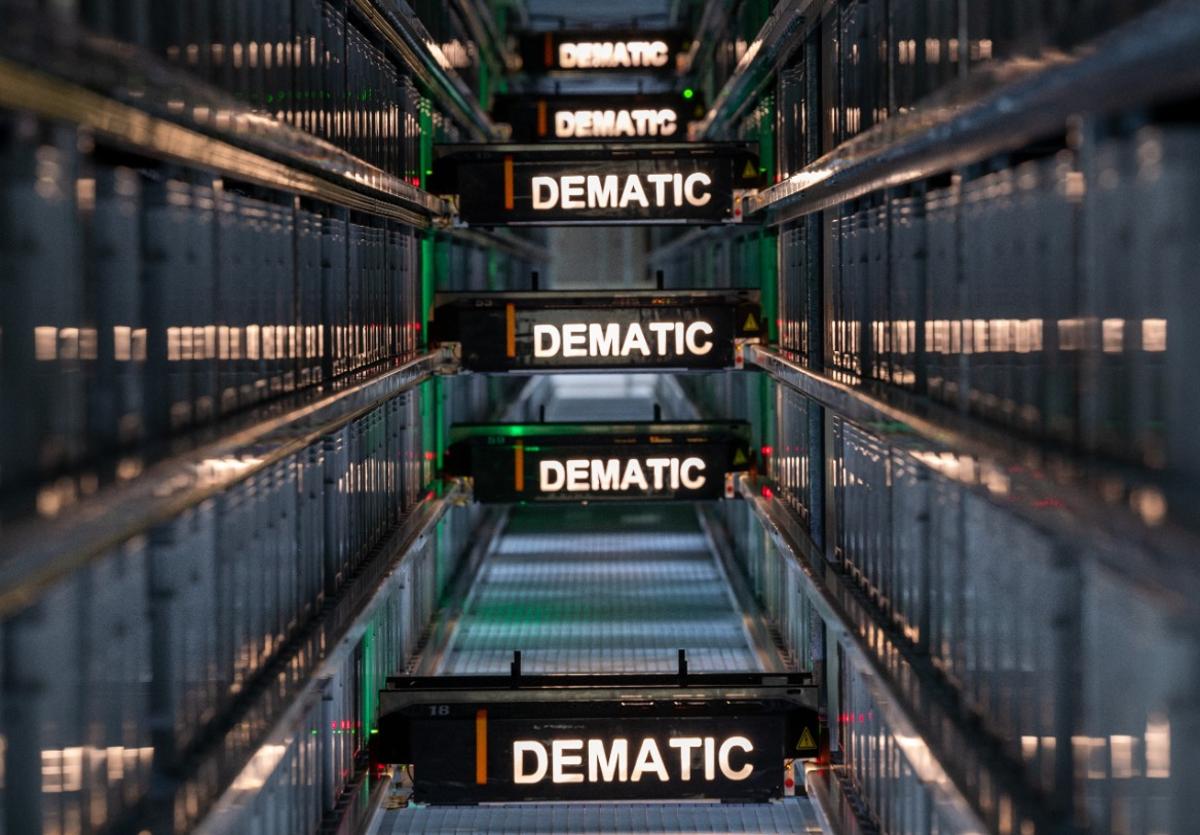
In response, firms are embracing vertical high‑bay automation that can reach 30‑45 metres in height, effectively turning ceiling space into storage capacity. Solutions from providers like Dematic enable dense, robot‑managed shelving that reduces the need for sprawling footprints. Real‑world examples include Americold’s Spearwood facility in Perth, which packs more inventory into a constrained site, and Diageo’s consolidated Australian hub that has delivered sustained logistics savings as land and freight costs rose.
The broader implication is a shift toward fewer, larger, technology‑driven distribution centres that sit closer to production lines or major markets. By consolidating sites and adding on‑site automation, manufacturers lower transport expenses, improve order‑fulfilment speed, and future‑proof their supply chains against long‑term land constraints. Companies that treat warehousing as a strategic asset rather than a simple lease transaction are better positioned to win the next two decades of market demand.
Manufacturing supply chains under pressure as land constraints reshape Australian warehousing strategy, says Dematic
Comments
Want to join the conversation?
Loading comments...