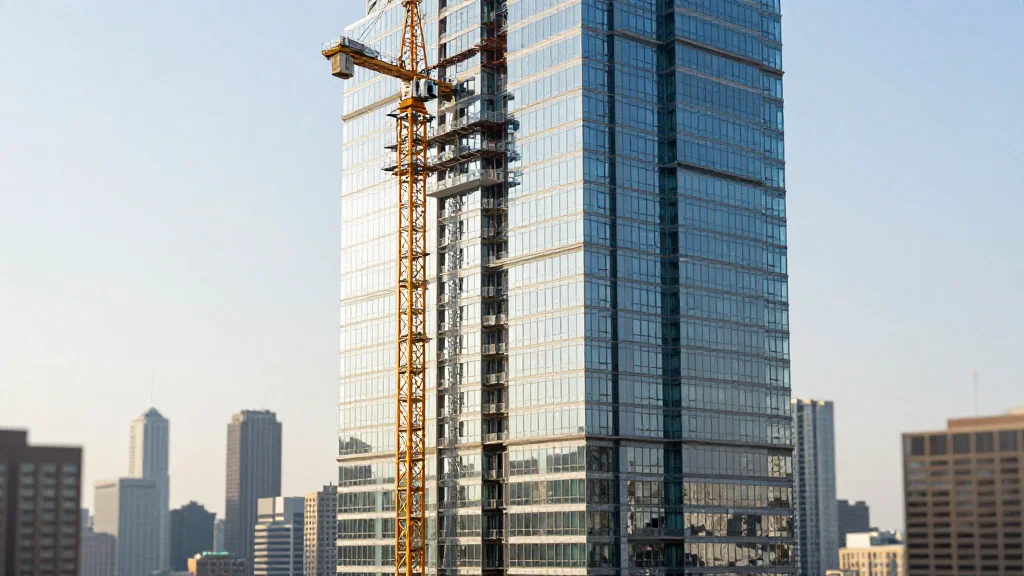
Path and WindWave Turn Former Salesforce Tower Into 111 Point Apartments

Companies Mentioned
Why It Matters
The 111 Point conversion illustrates how Chicago’s commercial real‑estate market is adapting to a post‑pandemic reality where demand for office space has eroded while housing shortages persist. By turning a former tech‑company headquarters into upscale apartments, developers are addressing two challenges at once: filling vacant office floors and adding premium rental inventory in a high‑density urban core. The project also signals that investors are willing to commit capital—$17 million in this case—to repurpose existing structures rather than build new towers, a strategy that can accelerate delivery timelines and reduce construction waste. If 111 Point meets its leasing targets, it could validate the economic case for similar conversions across Chicago’s older office corridors, potentially reshaping the city’s skyline and altering the balance between commercial and residential land use. The emphasis on wellness amenities and coworking spaces reflects evolving renter preferences, suggesting that future conversions will need to blend living, working, and leisure functions to stay competitive.
Key Takeaways
- •Path Construction and WindWave purchased the upper floors of 111 W. Illinois St. for nearly $17 million.
- •First residents will move in on May 22; full project completion slated for July 1.
- •Rents range from $2,300 for studios to $4,900 for two‑bedrooms.
- •111 Point is one of seven office‑to‑residential conversions under construction in Chicago.
- •River North has roughly 25% of its office space vacant, driving adaptive‑reuse projects.
Pulse Analysis
Chicago’s office‑to‑residential conversions are no longer a niche response to isolated vacancies; they are becoming a strategic pillar of the city’s real‑estate recovery plan. The 111 Point project underscores a shift from speculative office development to asset‑light, demand‑driven residential supply. By leveraging existing floor plates that already provide ample natural light, developers sidestep the costly structural re‑engineering that often hampers office‑to‑residential retrofits. This efficiency translates into faster delivery—just over a year from groundbreaking to occupancy—allowing investors to capture rental income sooner.
The pricing strategy at 111 Point also reveals a calibrated approach to Chicago’s rental market. While the $2,300‑$4,900 rent band sits above the city’s median, the inclusion of high‑end amenities and a wellness‑focused brand narrative justifies the premium and aligns with a growing segment of renters who prioritize lifestyle over cost. The free Peloton membership and coworking lounge cater to hybrid‑work professionals, a demographic that has expanded dramatically since 2020. Developers who can bundle these services effectively will likely command higher rents and lower turnover.
Looking ahead, the success of 111 Point could catalyze a wave of similar projects, especially in districts where office vacancy rates exceed 20%. However, the model’s scalability hinges on the availability of buildings with favorable floor plates and the ability to secure financing for conversions, which remain more complex than ground‑up construction due to zoning and historic preservation constraints. Policymakers can accelerate the trend by streamlining permitting processes and offering tax incentives for adaptive reuse. If Chicago can align developer incentives with the city’s housing needs, the office‑to‑residential pipeline may become a cornerstone of its long‑term urban revitalization strategy.
Path and WindWave Turn Former Salesforce Tower into 111 Point Apartments
Comments
Want to join the conversation?
Loading comments...