Why It Matters
Risk‑related expenses are reshaping home‑ownership affordability, compelling lenders, insurers and policymakers to price and mitigate climate exposure more precisely.
Key Takeaways
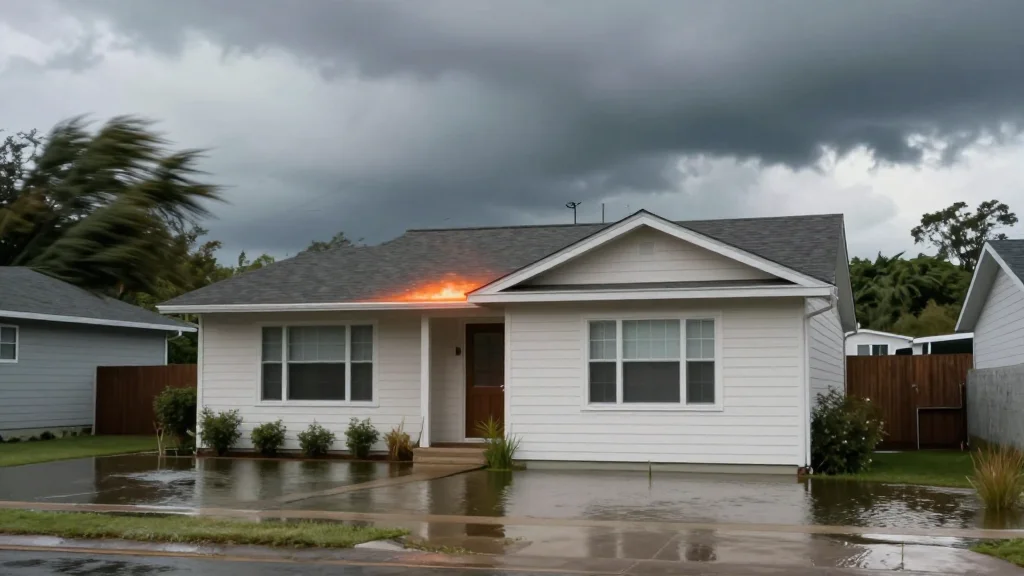
- •180,000 U.S. homes face simultaneous hurricane, flood, and fire‑earthquake risk.
- •New Orleans leads with 29,317 extreme‑risk properties, 6.8% of its housing stock.
- •Triple‑threat risk forces buyers to factor insurance and repair costs into affordability.
- •Lenders and insurers must adopt granular risk models to price mortgages accurately.
Pulse Analysis
The latest home‑affordability metric goes beyond traditional debt‑to‑income ratios by embedding natural‑disaster exposure directly into the cost equation. As climate change intensifies the frequency of hurricanes, floods and seismic‑induced fires, homeowners now face a "peril premium" that can double monthly outlays when insurance and mitigation expenses are included. This shift compels buyers to evaluate not just loan terms but also the long‑term resilience of the property, fundamentally altering purchasing decisions in vulnerable markets.
Geographically, the risk is highly concentrated. New Orleans tops the list with over 29,000 homes at risk for three hazards, followed by Houston and Baton Rouge. Insurers are responding with higher premiums and stricter underwriting, especially in Louisiana where the percentage of at‑risk housing exceeds 5 percent in several metros. Mortgage lenders, in turn, are integrating granular hazard data into credit models, often requiring higher down payments or additional collateral for triple‑threat properties. This dynamic is already tightening credit availability and inflating the effective price of homeownership in these regions.
For the broader market, the emergence of a peril‑adjusted affordability framework signals a new frontier for investment and policy. Real‑estate developers are incentivized to adopt resilient building standards, while investors see opportunities in climate‑risk analytics firms and insurance tech platforms that can deliver property‑level risk scores. Policymakers may need to consider subsidized mitigation programs or updated building codes to curb the affordability squeeze. Ultimately, recognizing and pricing natural‑hazard risk is becoming essential for sustaining homeownership and financial stability in an increasingly volatile climate.
The peril premium
Comments
Want to join the conversation?
Loading comments...