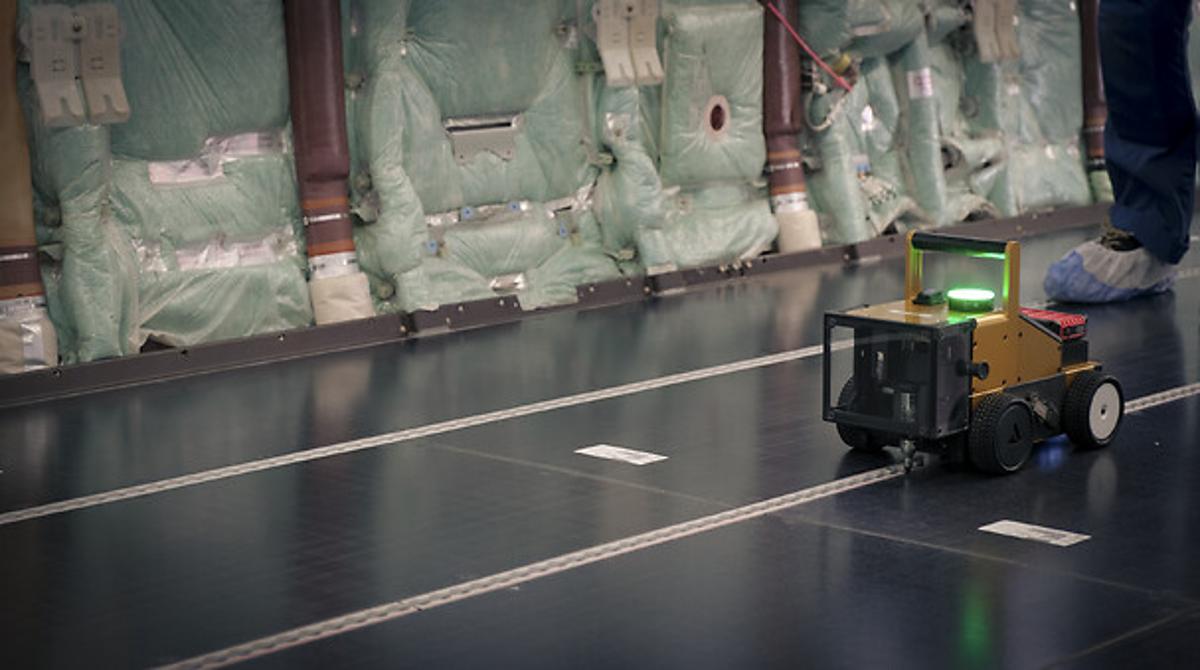
Meet the Versatile Airbus Robot Automating Aircraft Seat Installation
Companies Mentioned
Why It Matters
Automating a labor‑intensive, ergonomically taxing task speeds Airbus’s production ramp‑up and safeguards worker health, both essential as demand for commercial jets surges.
Key Takeaways
- •CabinMarker cuts seat‑installation time from 150 to 30 minutes
- •Four‑kilogram robot fully industrialised by Airbus Robotics in‑house
- •First units to debut on A321XLR line in Toulouse, 2026
- •Mobile design enables future tasks like corrosion scouting and taping
- •Roll‑out targets two robots per line across Airbus single‑aisle sites
Pulse Analysis
Airbus’s decision to bring robotics in‑house reflects a broader shift in aerospace manufacturing toward modular, adaptable automation. While large stationary arms have long handled heavy lifting, the industry now seeks smaller, mobile systems that can tackle repetitive, ergonomically demanding tasks on the shop floor. By establishing Airbus Robotics in 2023, the company moved from purchasing off‑the‑shelf solutions to engineering bespoke tools that align with its complex assembly processes, a strategy that shortens development cycles and protects intellectual property.
CabinMarker exemplifies this new approach. Weighing only four kilograms, the robot navigates the cabin aisle and precisely marks seat tracks, completing a job in 30 minutes that previously required 150 minutes of manual labor. The speed gain translates into higher throughput and lower rework rates, while the reduced physical strain on operators addresses long‑standing musculoskeletal concerns. Early testing shows a measurable drop in ergonomic incidents, reinforcing the business case that worker safety and productivity are not mutually exclusive.
Looking ahead, Airbus plans to deploy two CabinMarker units per single‑aisle line, starting with the A321XLR final‑assembly line in Toulouse and extending to facilities in Germany, China, Canada, and the United States. The robot’s lightweight chassis also opens doors for secondary applications, such as automated corrosion detection and floor‑tape installation, turning a single‑purpose tool into a multipurpose platform. This rollout signals to the wider aviation supply chain that flexible, in‑house robotics can deliver tangible cost savings and quality improvements, accelerating the industry’s transition toward smarter, more resilient factories.
Meet the versatile Airbus robot automating aircraft seat installation
Comments
Want to join the conversation?
Loading comments...