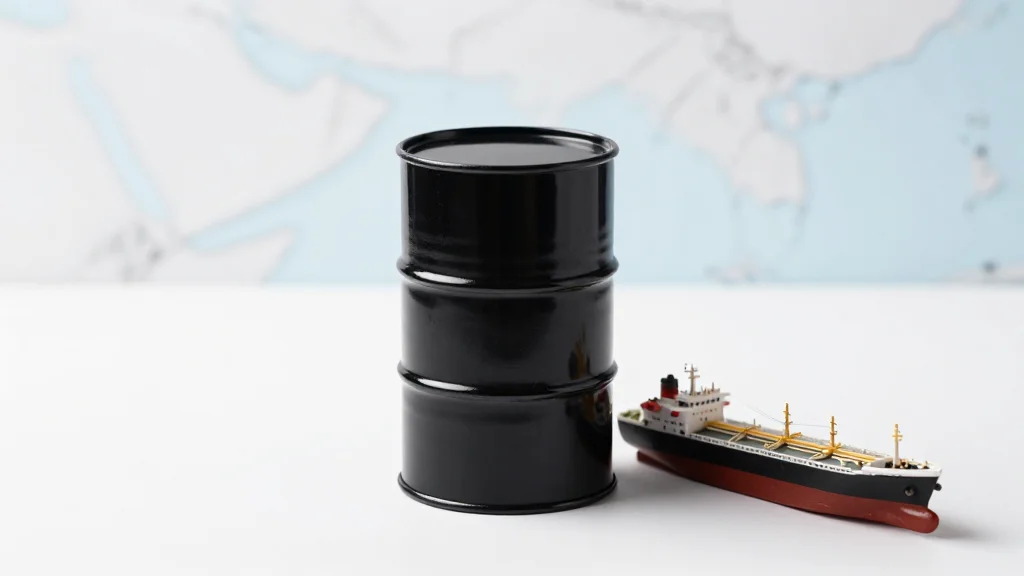
Oil Futures Slip Into Backwardation as Persian Gulf Tensions Threaten Hormuz Flow

Companies Mentioned
Why It Matters
The backwardation in oil futures signals that traders are pricing in a near‑term supply crunch, which can ripple through equity markets, especially for energy‑heavy portfolios. Stock traders who overlook the futures curve risk misjudging the risk‑reward balance of oil‑related stocks, while those who integrate commodity signals into their models can better navigate volatility and capture upside from temporary geopolitical shocks. Moreover, the episode highlights how quickly geopolitical events can translate into quantifiable market signals, reinforcing the need for real‑time data integration in stock‑trading strategies. As the Strait of Hormuz remains a chokepoint, its status will continue to be a leading indicator for both commodity and equity market dynamics.
Key Takeaways
- •Oil futures moved into backwardation on April 9, 2026, reflecting near‑term supply concerns
- •34% of global crude oil passes through the Strait of Hormuz, per IEA
- •Market believes the disruption is temporary, pricing in a swift resolution
- •Energy stocks such as Chevron are viewed as attractive buys amid the curve shift
- •Traders will watch naval activity, insurance rates, and diplomatic talks for the next market move
Pulse Analysis
The shift to backwardation is a classic market reaction to a perceived short‑run supply shock. Historically, similar moves have preceded modest spikes in energy equity prices, followed by a re‑version once the supply bottleneck eases. In this case, the underlying driver is geopolitical rather than physical, meaning the curve can flatten quickly if diplomatic channels succeed. Traders who position early in energy stocks stand to benefit, but they must also hedge against the tail risk of a prolonged closure, which would push spot prices higher and potentially trigger a rally in alternative energy plays.
From a broader perspective, the episode underscores the growing convergence of commodity and equity markets. Modern trading platforms now allow investors to monitor futures curves alongside stock charts, blurring the line between traditional commodity traders and equity investors. This integration amplifies the impact of geopolitical news, as a single event in the Persian Gulf can simultaneously affect oil futures, insurance premiums, and the valuation multiples of oil majors.
Looking forward, the market’s current optimism hinges on the credibility of Iran’s peace plan and the willingness of major powers to enforce a safe passage for tankers. Any setback—such as a renewed missile incident or a spike in insurance costs—could reverse the backwardation, thrusting oil futures back into contango and prompting a rapid reassessment of energy‑sector exposure. Traders who maintain flexibility, using options or dynamic position sizing, will be best positioned to navigate the next wave of volatility.
Oil Futures Slip Into Backwardation as Persian Gulf Tensions Threaten Hormuz Flow
Comments
Want to join the conversation?
Loading comments...