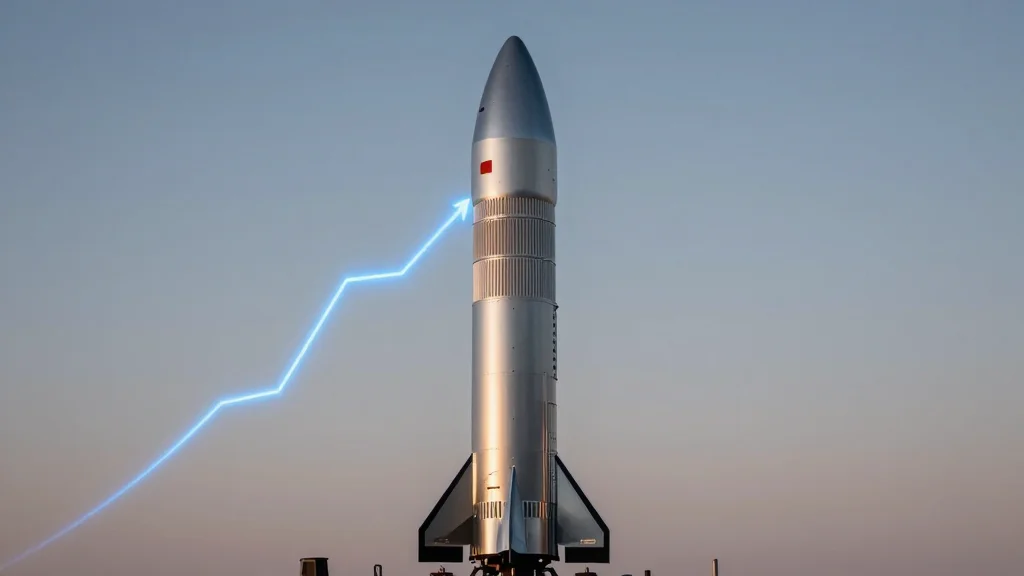
SpaceX IPO Draws $1.8 T Valuation, Governance Pushback as $4 B Pre‑IPO Deal Looms

Companies Mentioned



Why It Matters
SpaceX’s IPO could set a new benchmark for private‑to‑public transitions, redefining how AI‑centric companies are valued. A successful $4 billion pre‑IPO placement would demonstrate that institutional investors are willing to commit capital despite governance concerns, potentially encouraging other founders to retain outsized voting rights. Conversely, a boycott by major pension funds could signal a shift toward stricter shareholder‑rights standards for mega‑cap IPOs, influencing regulatory scrutiny and future deal structures. The broader market impact extends beyond SpaceX. If the IPO proceeds at the projected $1.8 trillion valuation, it would dwarf the previous record set by Saudi Aramco, reshaping the hierarchy of public‑market giants and potentially reallocating capital from other high‑growth sectors. The outcome will also test the appetite for AI‑driven valuations, a theme that is already inflating capital raises across the tech ecosystem.
Key Takeaways
- •SpaceX filed an S‑1 targeting a $1.8 trillion valuation.
- •$4 billion pre‑IPO placement has already attracted institutional interest.
- •AkademikerPension ($25 billion AUM) will boycott the IPO over governance concerns.
- •Musk is expected to retain ~80 % of voting rights post‑IPO.
- •AI capex hit $7.7 billion in the last quarter, representing 76 % of Q1 spending.
Pulse Analysis
The SpaceX IPO is more than a financial event; it is a litmus test for how the market reconciles founder control with the demands of a public shareholder base. Historically, mega‑IPOs like Alibaba and Saudi Aramco succeeded because their governance structures were perceived as transparent and balanced. SpaceX flips that script by offering Musk an unprecedented voting stake, a model that could embolden other tech founders but also provoke regulatory pushback. The $4 billion pre‑IPO tranche signals that a subset of investors is comfortable betting on Musk’s brand and the AI narrative, yet the boycott by pension funds underscores a growing institutional intolerance for governance opacity.
If the IPO clears the $1.8 trillion hurdle, it will cement AI as the dominant valuation driver, eclipsing traditional hardware or services metrics. This could accelerate a wave of AI‑centric listings, pressuring analysts to develop new valuation frameworks that factor in data‑center spend, GPU utilization, and AI‑service revenue pipelines. However, the market must also reckon with the risk of over‑inflated valuations detached from cash‑flow realities—a scenario reminiscent of the late‑1990s dot‑com bubble. Investors will likely demand more granular guidance on AI revenue trajectories, especially given the S‑1’s disclosure that Grok’s first‑quarter revenue fell short of covering basic operating costs.
Looking ahead, the SEC’s handling of the governance letters will set a precedent. A stringent response could force Musk to dilute his voting power, potentially lowering the IPO price but widening the investor pool. A lenient stance might preserve Musk’s control but could deter risk‑averse institutions, limiting the depth of the offering. Either outcome will reverberate through the capital‑raising landscape, influencing how future unicorns approach public markets and how regulators balance innovation with investor protection.
SpaceX IPO Draws $1.8 T Valuation, Governance Pushback as $4 B Pre‑IPO Deal Looms
Comments
Want to join the conversation?
Loading comments...