Advanced Diagnostics in Ethernet IP Communication Protocol
Key Takeaways
- •LED status quickly reveals unconfigured or faulty Ethernet/IP modules
- •RPI settings balance network load; low RPI can overload many devices
- •Unicast vs multicast choice affects bandwidth and requires IGMP on switches
- •Correct EDS file and revision are essential for third‑party device communication
- •Verify message tags and paths in Studio 5000 to prevent I/O timeouts
Pulse Analysis
Ethernet/IP continues to dominate factory floor networks because it blends the openness of standard Ethernet with deterministic, real‑time data exchange. As more OEMs adopt Rockwell Automation’s implementation, the sheer volume of connected I/O modules amplifies the risk of subtle communication glitches that can ripple into costly production stops. Understanding the protocol’s architecture—CIP objects, RPI timing, and multicast behavior—gives engineers a strategic advantage when troubleshooting beyond the obvious.
The first line of defense remains simple yet powerful: visual LED checks, IP address scans, and matching speed/duplex settings. A mis‑lit LED often signals an unconfigured module or a broken link, while duplicate IPs or mismatched subnets can instantly isolate a device from the control network. Ensuring uniform speed and duplex eliminates collision‑related packet loss, a frequent culprit in legacy plant upgrades where new switches meet older PLCs. These basic steps resolve the majority of connectivity failures without deep packet analysis.
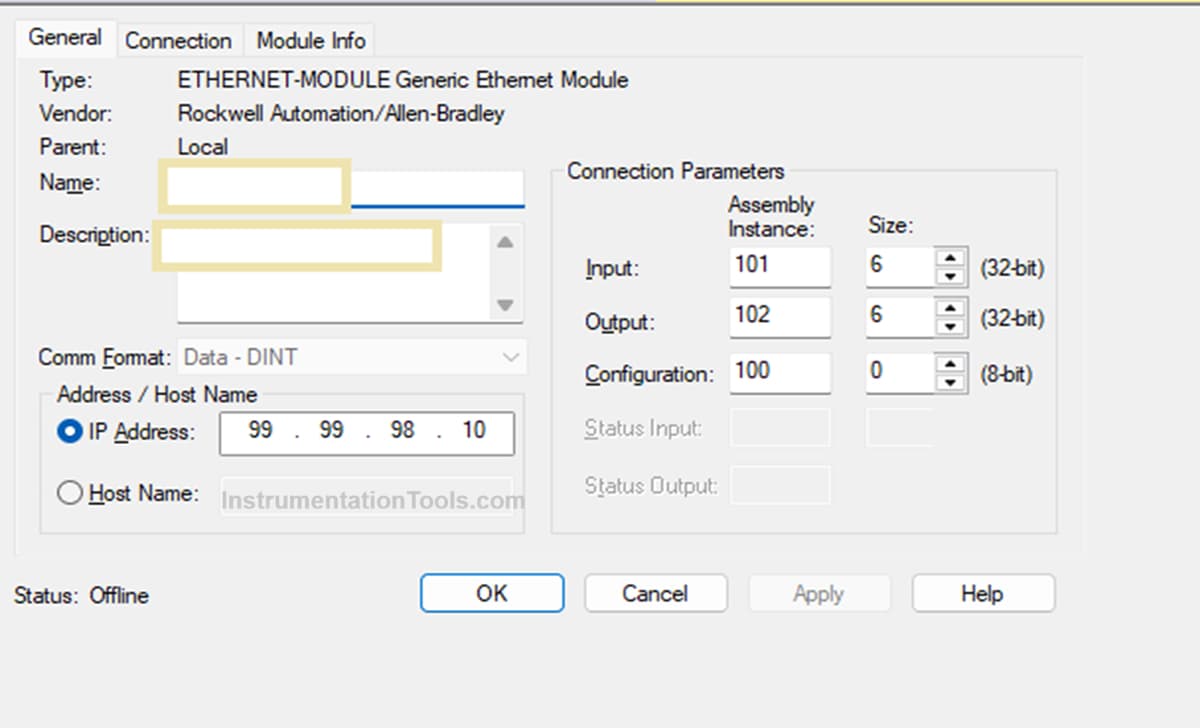
When basic fixes fall short, advanced diagnostics become indispensable. Adjusting the Requested Packet Interval (RPI) balances bandwidth against latency, preventing network saturation in large device farms. Choosing unicast over multicast conserves bandwidth and requires IGMP configuration on managed switches to avoid broadcast storms. Accurate EDS files guarantee that third‑party devices present the correct assembly instances, while reading CIP objects offers real‑time health metrics. Finally, meticulous verification of Studio 5000 message tags and paths eliminates silent I/O timeouts. Together, these practices not only restore communication swiftly but also lay the groundwork for predictive maintenance tools that will increasingly automate Ethernet/IP health monitoring.
Advanced Diagnostics in Ethernet IP Communication Protocol
Comments
Want to join the conversation?