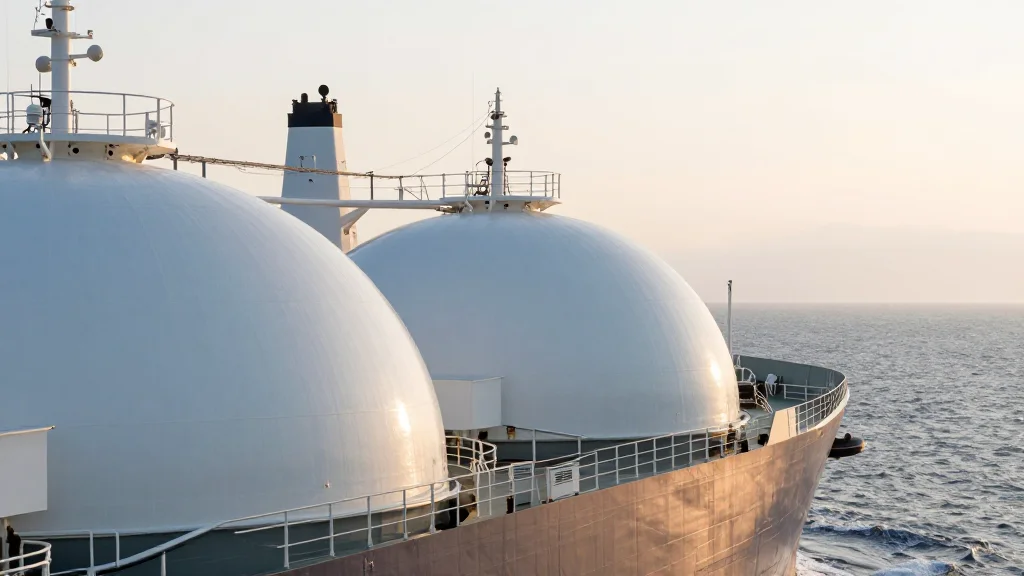
Elevated LNG Charter Rates Driven by Trading Optionality
Key Takeaways
- •Asian demand pushes longer-haul LNG voyages, raising charter premiums
- •Traders prefer optionality over vessel optimisation in high spot price markets
- •US-Iran conflict boosts flexible Atlantic cargo purchases, lifting tonne‑mile demand
- •Spot charter rates softened from peak but stay above pre‑conflict levels
- •Vortexa projects tonne‑mile demand could rise toward Q4 2025 peak
Pulse Analysis
The LNG freight market is currently being driven by a confluence of geopolitical and demand‑side forces. As the US‑Iran confrontation entered its third month, Asian importers have turned to flexible Atlantic‑basin cargoes to compensate for reduced Middle‑East supply. This shift has increased the average voyage length, pushing charter rates higher despite a modest softening from their conflict‑induced peak. The longer hauls also raise the tonne‑mile metric, a key indicator of fleet utilization, which remains below the anticipated Q4 2025 peak when US LNG output and winter demand are expected to converge.
Traders are deliberately preserving optionality, opting to keep vessels available for premium markets rather than locking in sub‑charters at lower rates. In a high spot‑price environment, the opportunity cost of idle capacity is steep, prompting market participants to demand larger premiums for sub‑letting or to retain vessels for spot opportunities. This behavior underscores a strategic pivot: securing the ability to deliver into Asian markets, where demand is projected to stay robust, outweighs pure vessel optimisation. Consequently, spot charter rates, while softened, remain elevated relative to pre‑conflict levels.
Looking ahead, Vortexa’s outlook suggests that global tonne‑mile demand could climb toward its 2025 peak, driven by continued US LNG supply growth and seasonal demand spikes. For ship owners and investors, this signals potential upside in freight earnings and a justification for expanding flexible, long‑range fleet capabilities. Shippers, meanwhile, must weigh higher charter costs against the value of delivery certainty in a market where geopolitical risk and demand volatility remain pronounced.
Elevated LNG charter rates driven by trading optionality
Comments
Want to join the conversation?