Everyone Has a Role in Growing the Value Chain
Key Takeaways
- •Value creation requires effectiveness, efficiency, and economy in equilibrium.
- •Procurement must engage early to shape the “why,” not just the “what.”
- •Treating value as a shared responsibility avoids costly marginal savings.
- •Public procurement gains greater societal outcomes when effectiveness leads decisions.
Pulse Analysis
Traditional procurement models treat value as a cost‑reduction exercise, rewarding departments that can buy the cheapest product. This narrow lens overlooks why a purchase is needed, leading to solutions that meet specifications but fail to achieve strategic goals. In both private and public sectors, the pressure to demonstrate immediate savings has entrenched efficiency as the primary metric, sidelining effectiveness and broader economic impact. The result is a series of contracts that look good on paper but generate limited real‑world benefit.
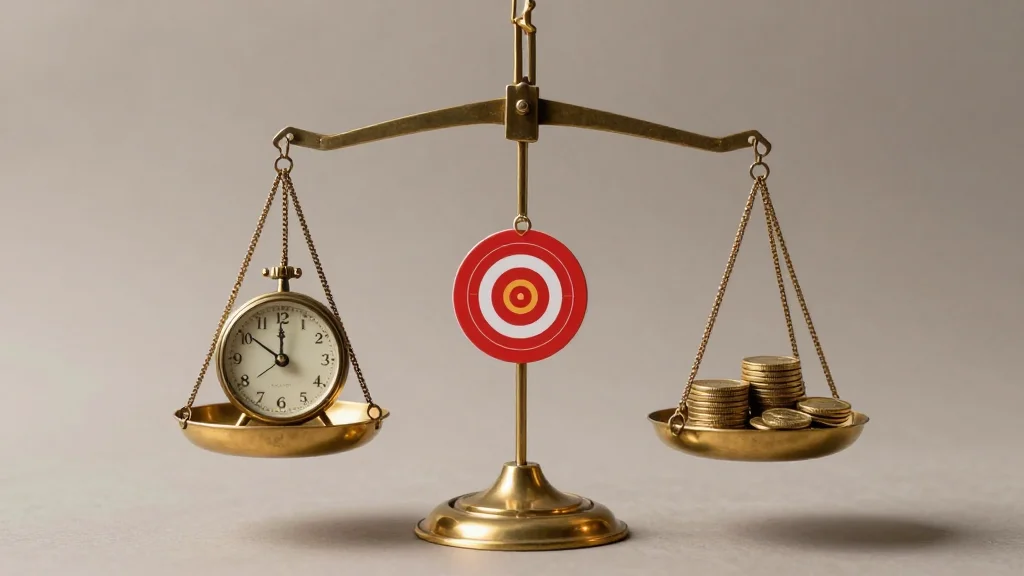
Quincey’s "value for money equilibrium" reframes the conversation by placing effectiveness—the rationale behind a spend—at the start of the process. By asking “why are we doing this?” before “how can we do it cheaply?” organizations can align procurement with business outcomes, ensuring that resources are directed toward initiatives that truly matter. In public procurement, this shift translates into projects that better serve citizens, from infrastructure that meets community needs to services that deliver measurable social impact. The equilibrium model also highlights that economy (buying well) and efficiency (doing well) are only valuable when they support the underlying purpose.
Adopting this mindset requires early cross‑functional collaboration, transparent requirement gathering, and a willingness to challenge entrenched specifications. Companies should embed procurement analysts in strategy teams, use scenario planning to test effectiveness, and measure success against outcome‑based KPIs rather than price alone. The payoff is a supply chain that not only cuts unnecessary spend but also amplifies value creation, delivering higher public trust and stronger competitive advantage. Leaders who champion this holistic approach will position their organizations at the forefront of sustainable, outcome‑driven procurement.
Everyone Has a Role in Growing the Value Chain
Comments
Want to join the conversation?