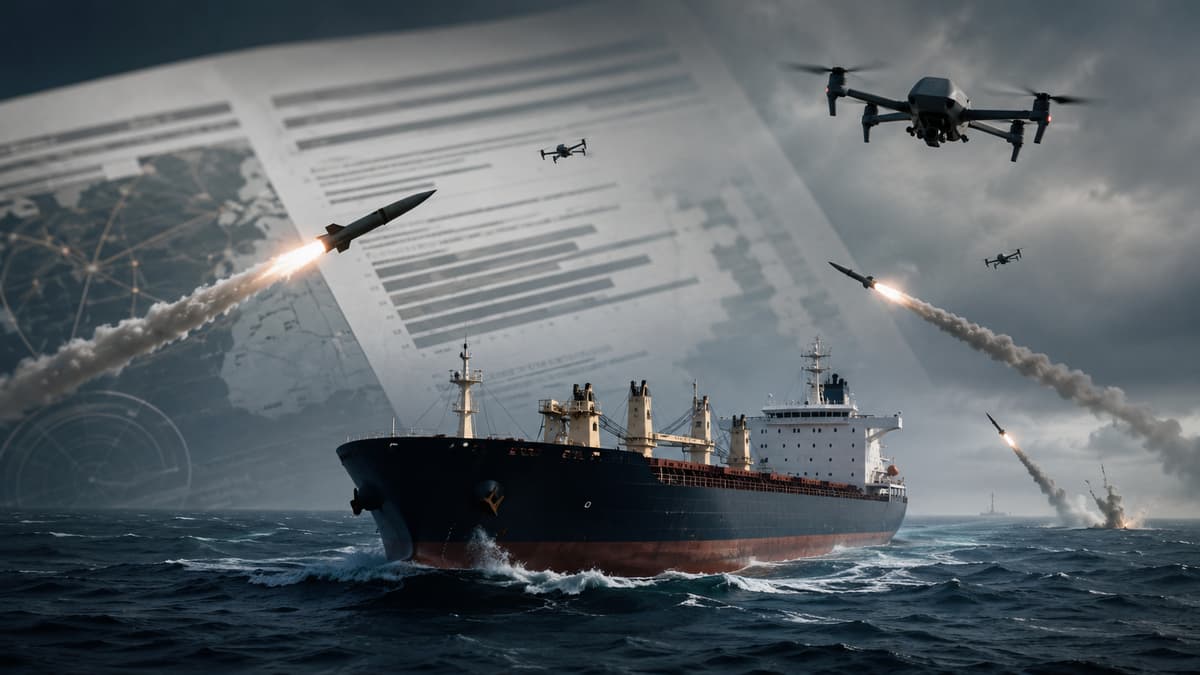
Explainer: Factors that Shaped Middle East Shipping Operations
Key Takeaways
- •Houthi attacks increased Red Sea insurance premiums by over 200%
- •Rerouting via the Cape adds 10‑12 days to Asia‑Europe voyages
- •Port congestion in Jeddah and Salalah now exceeds 48‑hour dwell times
- •Carrier capacity is being reallocated to safer corridors, raising spot rates
- •Stakeholders demand multi‑layered risk frameworks beyond ceasefire agreements
Pulse Analysis
The Red Sea crisis has forced shippers to reconsider the economics of their routes. While a ceasefire would halt direct hostilities, the lingering threat of missile strikes and mines keeps insurers and charterers on high alert. Premiums for war risk coverage have surged, pushing the cost of a single container on the Red Sea corridor to levels comparable with the longer Cape of Good Hope detour. This price shock is prompting freight forwarders to renegotiate contracts and pass costs downstream, tightening margins for retailers and manufacturers.
Beyond insurance, operational bottlenecks are reshaping the supply chain. Port backlogs in Saudi Arabia and Oman have grown as vessels wait for clearance amid heightened security checks. The resulting dwell times, now often exceeding two days, erode just‑in‑time inventory strategies and compel companies to hold larger safety stocks. Meanwhile, carriers are reallocating vessels to alternative lanes, such as the Mediterranean‑Suez route, which, although longer in distance, offers a more predictable risk profile. This capacity shift is inflating spot rates on secondary routes, creating a ripple effect across global freight markets.
Long‑term, the crisis underscores the need for a layered risk mitigation approach. Industry players are investing in real‑time threat intelligence, satellite monitoring, and diversified routing strategies to reduce exposure. Governments and maritime alliances are also discussing standardized protocols for rapid incident response and insurance pooling. By addressing the underlying risk factors—not merely the ceasefire—stakeholders can stabilize freight costs, protect supply‑chain resilience, and restore confidence in the world’s most vital trade artery.
Explainer: Factors that shaped Middle East shipping operations
Comments
Want to join the conversation?