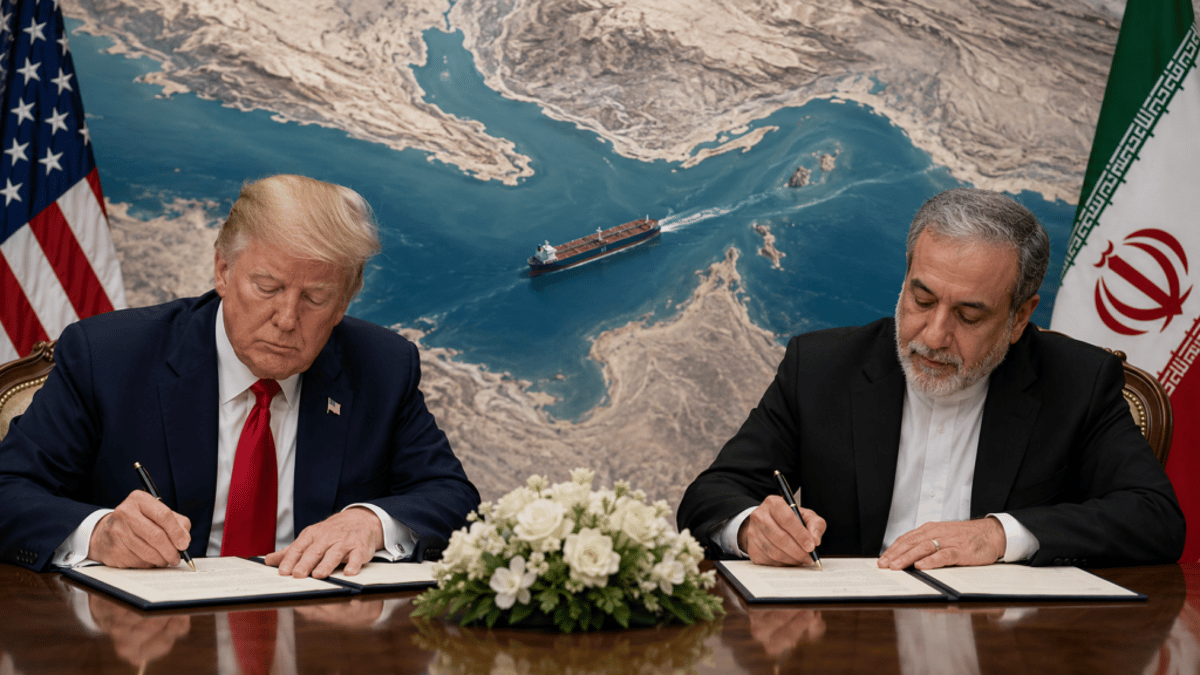
Explainer: Hormuz Under the US-Iran Framework
Key Takeaways
- •Diplomatic note announced but no formal Hormuz transit regime restored
- •Vessels may face heightened insurance premiums until regime confirmed
- •Alternative routes could add 10‑15 days and $1‑2 million per voyage
- •Regional naval presence remains elevated, increasing operational risk
- •Shipping firms urged to update contingency plans immediately
Pulse Analysis
The Strait of Hormuz, a narrow 21‑mile waterway linking the Persian Gulf to the open ocean, handles roughly a fifth of the world’s petroleum shipments. After months of missile drills, naval escorts, and reciprocal sanctions, Washington and Tehran released a joint diplomatic note suggesting a thaw in relations. However, the communiqué stopped short of re‑establishing the pre‑conflict transit regime that guarantees commercial vessels safe passage under internationally recognized rules. This partial step leaves the legal and operational environment in limbo, prompting industry watchers to scrutinize every nuance for clues about future policy shifts.
For ship owners and charterers, the uncertainty translates into tangible cost pressures. Insurers are reluctant to lower war‑risk premiums until a formal regime is confirmed, often adding 15‑30% to hull and cargo coverage fees. Meanwhile, many operators are pre‑emptively rerouting through the Cape of Good Hope or the Suez Canal, a detour that can extend voyages by 10‑15 days and inflate fuel and crew expenses by $1‑2 million per round‑trip. These added costs ripple through the supply chain, inflating freight rates and potentially tightening margins for downstream manufacturers that rely on timely oil and petrochemical deliveries.
Looking ahead, the maritime community must monitor diplomatic signals, naval deployments, and any incremental steps toward a formalized transit agreement. Analysts suggest that a phased confidence‑building measure—such as limited escorted passages for neutral flag vessels—could pave the way for a full regime restoration. In the interim, shipping firms are advised to revise contingency plans, diversify routing options, and engage with insurers to negotiate flexible coverage terms. Proactive risk management will be essential to mitigate the financial and operational fallout from this geopolitical flashpoint.
Explainer: Hormuz under the US-Iran framework
Comments
Want to join the conversation?