Explainer: How Europe’s Commercial Harbours Became Military Targets
•March 2, 2026
0
Key Takeaways
- •Antwerp installs NASAMS to counter aerial threats
- •Ports face heightened risk from regional conflicts
- •Defense upgrades reshape maritime logistics planning
- •Governments and shippers reassess security investment priorities
Summary
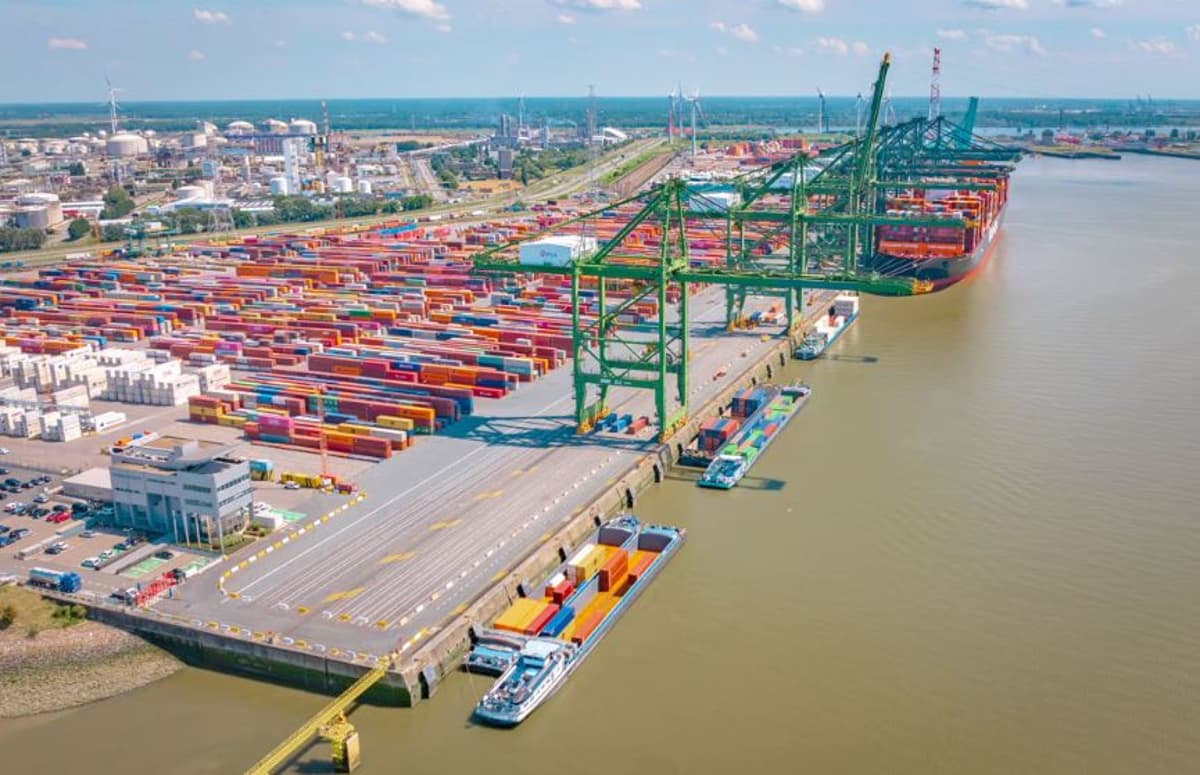
Belgium announced the deployment of a NASAMS air‑defence system at the Port of Antwerp. The move reflects a broader shift as European commercial harbours are increasingly viewed as potential military targets amid heightened geopolitical tensions. Authorities across the continent are accelerating defensive upgrades, integrating radar, missile interceptors, and hardened infrastructure. The trend forces shipping companies to factor security costs into routing and cargo‑insurance decisions.
Pulse Analysis
The vulnerability of European commercial harbours has moved from a theoretical concern to an operational reality. Since Russia’s invasion of Ukraine, missile strikes on Black Sea terminals and drone incursions near the Baltic have demonstrated that civilian ports can become strategic footholds for hostile forces. These incidents have prompted insurers and logistics firms to reassess exposure, while national security agencies treat maritime infrastructure as an extension of the defence perimeter.
Antwerp’s decision to install a NASAMS (National Advanced Surface‑to‑Air Missile System) exemplifies the new security paradigm. NASAMS offers medium‑range interception against aircraft, cruise missiles, and certain drone threats, complementing existing coastal radar and surveillance assets. The system’s modular design allows rapid deployment and integration with NATO‑compatible command networks, making it an attractive model for other high‑traffic European ports such as Rotterdam, Hamburg, and Piraeus. As governments allocate budget toward hardened berths, underground shelters, and automated threat‑detection, the maritime sector is witnessing a convergence of commercial logistics and military‑grade technology.
For shippers, the militarisation of ports translates into higher operational costs and more complex routing decisions. Insurance premiums are rising to reflect the increased risk of cargo loss or delay due to hostile actions, while cargo owners demand transparent security protocols from terminal operators. In response, many carriers are diversifying entry points, investing in real‑time risk analytics, and negotiating cost‑share arrangements for defence infrastructure. Over the next decade, the balance between trade efficiency and security resilience will shape investment strategies, regulatory frameworks, and the competitive landscape of European maritime trade.
Comments
Want to join the conversation?