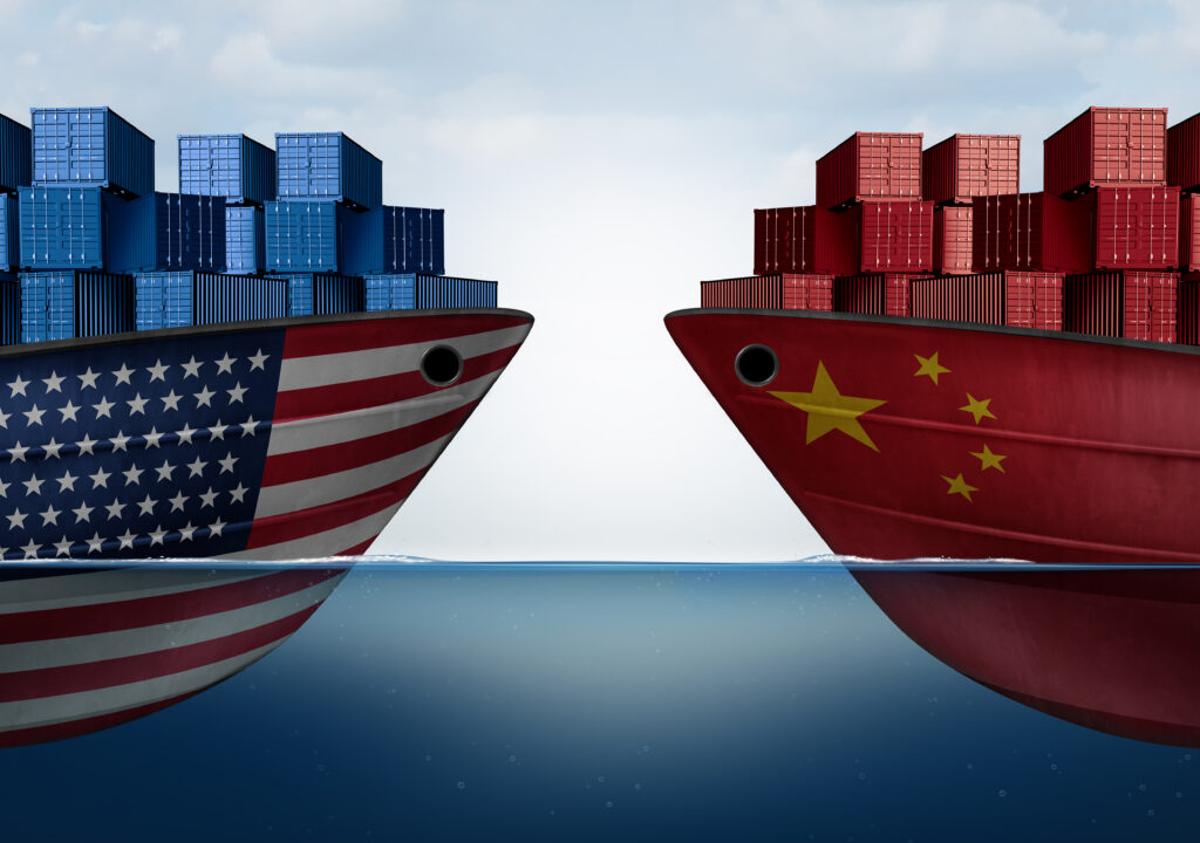
Explainer: Washington Declares Maritime War on Beijing
•February 28, 2026
0
Why It Matters
Rebalancing shipbuilding strengthens U.S. defense readiness and reduces strategic vulnerability to China, while reshaping global maritime supply chains.
Key Takeaways
- •US aims to double domestic shipyard capacity by 2035
- •$30 billion allocated for maritime infrastructure and R&D
- •Allies like Japan, Australia to co‑develop vessels
- •Plan targets commercial and military shipbuilding sectors
- •Reducing reliance on Chinese-built vessels enhances security
Pulse Analysis
The United States has long trailed China in the race to build commercial and naval vessels, a gap that has widened as Beijing invests heavily in automated shipyards and state‑backed financing. Chinese shipyards now produce more than half of the world’s cargo fleet, granting the People’s Republic leverage over global trade routes and the ability to rapidly expand its navy. For Washington, this imbalance translates into strategic risk: a reliance on foreign‑built platforms can compromise logistics, maintenance, and even national security during crises.
The newly announced Maritime Action Plan seeks to reverse that trend by injecting roughly $30 billion into domestic shipbuilding over the next decade. Funding will modernize aging U.S. yards, accelerate the adoption of digital twins and modular construction, and support research into low‑emission propulsion. Crucially, the plan embeds a coalition framework, inviting allies such as Japan, Australia, and the United Kingdom to co‑invest in joint vessel programs and share best‑practice standards. By pooling resources, the United States hopes to achieve economies of scale it cannot attain alone.
If successful, the initiative could reshape the maritime supply chain, creating a resilient network of allied shipyards that underpins both commercial trade and defense readiness. A revitalized U.S. shipbuilding base would generate high‑skill jobs, spur innovation in green technologies, and diminish Beijing’s leverage over critical logistics. However, the effort faces hurdles, including labor shortages, competing budget priorities, and the need to align regulatory standards across partners. Monitoring the plan’s implementation will be essential for investors and policymakers tracking the next phase of U.S.–China strategic competition.
Explainer: Washington declares maritime war on Beijing
0
Comments
Want to join the conversation?
Loading comments...