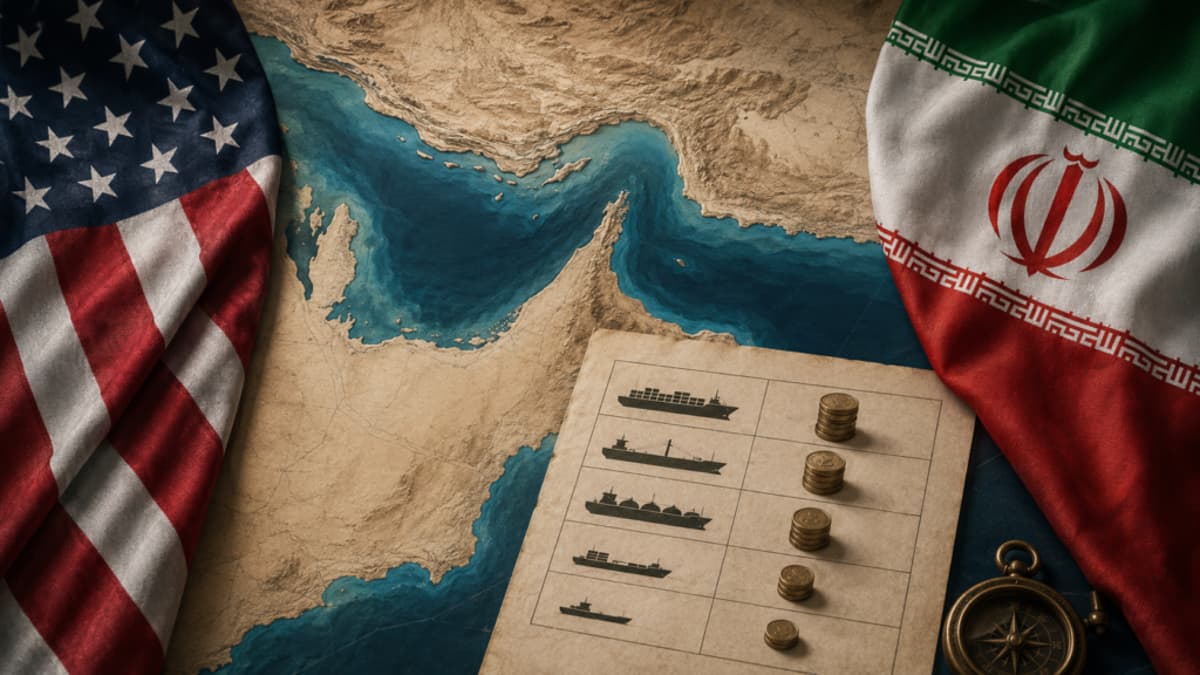
Five Ways Shipping Can Navigate a Strait with Two Masters
Key Takeaways
- •Diversify routes to avoid single‑point chokepoints
- •Leverage real‑time geopolitical intelligence platforms
- •Secure war‑risk insurance covering both state actors
- •Engage diplomatic channels for clearance and de‑confliction
- •Adopt autonomous navigation and predictive analytics tools
Pulse Analysis
The Strait of Hormuz remains one of the world’s most contested maritime passages, funneling an estimated 21 million barrels of crude daily. In recent years, Iran’s assertive territorial claims have collided with a coalition of naval forces that patrol the waterway to ensure free navigation. This overlapping authority creates a legal gray zone where commercial carriers must balance compliance with Iranian regulations against the security protocols imposed by external powers. The resulting uncertainty drives up freight premiums, forces vessels to reroute, and heightens the need for sophisticated risk management.
Shipping companies can counteract this volatility through five proven approaches. First, diversifying routes—whether via the longer Gulf of Oman corridor or alternative pipelines—reduces reliance on a single chokepoint. Second, subscribing to real‑time geopolitical intelligence platforms provides early warnings of flashpoints, enabling proactive schedule adjustments. Third, securing war‑risk insurance that explicitly covers both Iranian and coalition actions protects assets from sudden claims. Fourth, maintaining active diplomatic liaison teams helps obtain clearance, de‑conflict incidents, and negotiate safe‑passage agreements. Finally, investing in autonomous navigation systems and predictive analytics improves situational awareness, allowing vessels to respond instantly to emerging threats.
The broader implication for the maritime sector is clear: as geopolitical friction intensifies, the cost of inaction rises sharply. Companies that embed these five tactics into their operational playbooks will not only safeguard cargo but also gain a competitive edge in pricing and reliability. Looking ahead, the convergence of digital risk platforms, insurance innovation, and multilateral diplomatic frameworks will likely reshape how global trade navigates contested straits, turning a historically perilous passage into a manageable component of supply‑chain strategy.
Five ways shipping can navigate a strait with two masters
Comments
Want to join the conversation?