Global Oil Supply Issues May Lead to Higher Prices for 3D Printing Materials
Key Takeaways
- •Strait of Hormuz closure cuts 25% of global oil flow
- •Oil‑derived plastics like ABS and PETG face supply risk
- •Filament price hikes may appear months after oil disruption
- •PLA remains unaffected because it’s corn‑based
Pulse Analysis
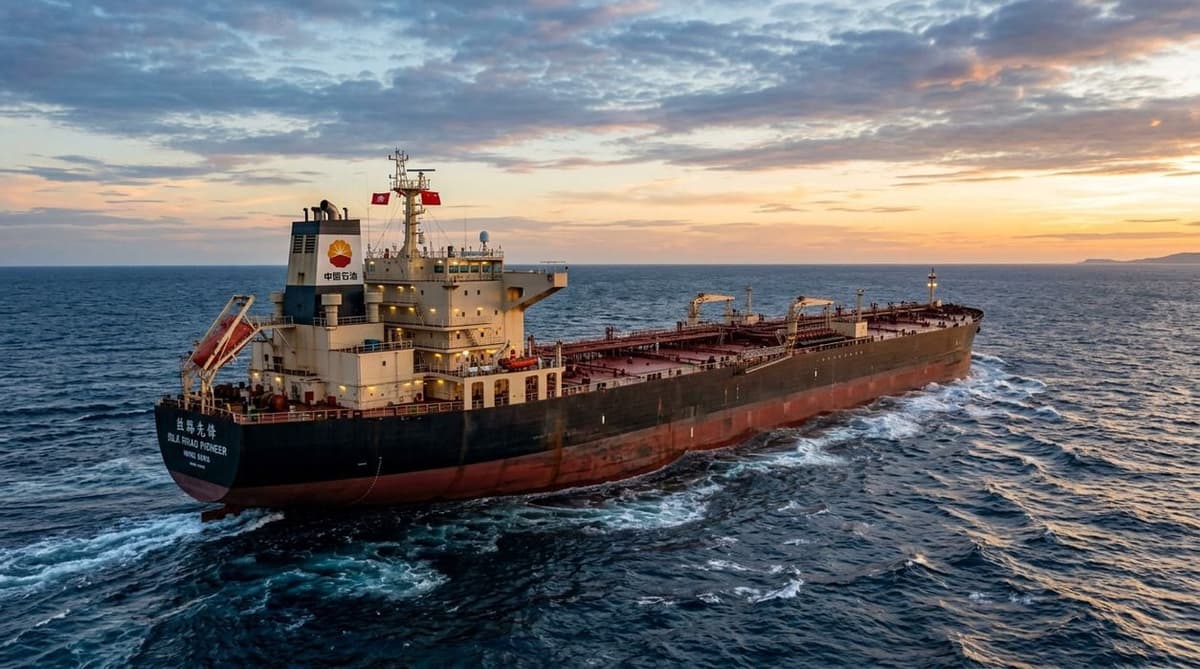
The Strait of Hormuz, a chokepoint for roughly a quarter of the world’s oil, has been sealed off to commercial traffic amid escalating US‑Iran tensions. This blockage not only inflates gasoline prices but also curtails the flow of crude to Asian refineries that produce petrochemical feedstocks such as ethylene and propylene. Those feedstocks are the building blocks for a wide range of plastics, including the polymers that dominate the 3D‑printing filament market. By disrupting the upstream oil market, the conflict creates a ripple effect that reaches downstream manufacturers worldwide.
In the additive‑manufacturing ecosystem, most filaments—ABS, ASA, PET, PETG, nylon, TPU, PC, HIPS, and PP—are derived from oil‑based resins. The supply chain stretches from oil tankers arriving in China, through refineries, chemical plants, resin manufacturers, pellet producers, filament extruders, distributors, and finally retailers. Each link can add weeks of lead time, and existing inventory buffers may only delay the impact. Analysts estimate that if the strait remains closed for several months, the cumulative lag could manifest as noticeable filament shortages and price increases by late summer, pressuring both industrial users and hobbyists.
For businesses that rely on 3D printing, the looming scarcity underscores the need for strategic sourcing and inventory management. Companies may diversify material portfolios by increasing PLA usage or exploring bio‑based alternatives that bypass petrochemical dependence. Meanwhile, distributors are likely to adjust pricing structures to reflect higher raw‑material costs, potentially accelerating the adoption of cost‑effective design practices. Monitoring geopolitical developments in the Gulf will become a critical component of supply‑chain risk assessments for the additive‑manufacturing sector.
Global Oil Supply Issues May Lead to Higher Prices for 3D Printing Materials
Comments
Want to join the conversation?