How B2B Chemical Procurement Is Going Digital — And What It Means for Industrial Buyers
Key Takeaways
- •Digital catalogs cut qualification time from weeks to days
- •Real‑time inventory data improves working‑capital planning
- •Multi‑source platforms boost resilience against regional disruptions
- •Online compliance docs simplify REACH and ESG reporting
Pulse Analysis
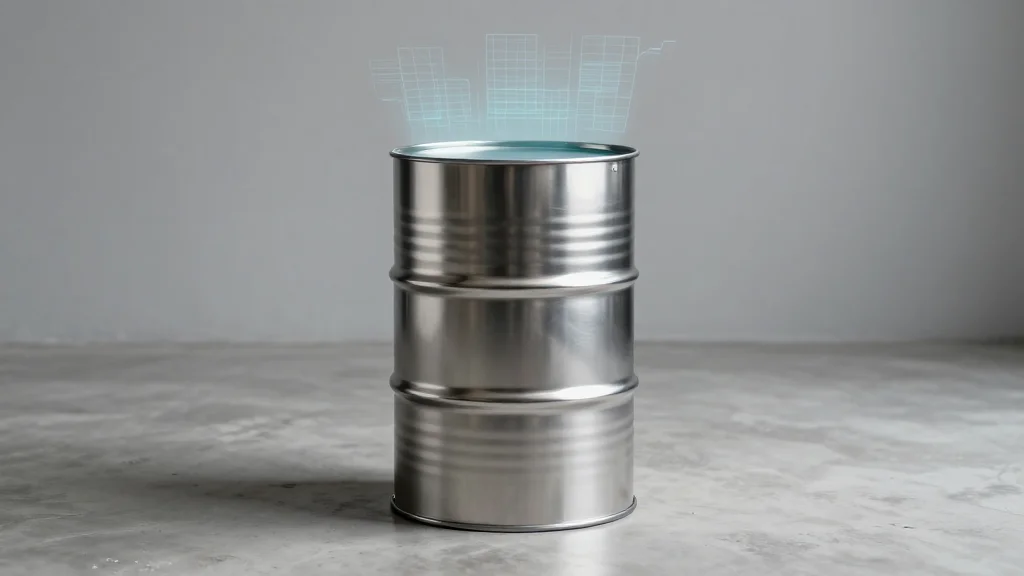
The sourcing of specialty chemicals such as glycol ethers has moved from a relationship‑driven, phone‑heavy model to a web‑based marketplace. Suppliers now host searchable catalogs, downloadable safety data sheets, and automated quotation tools that let procurement teams compare purity grades, packaging options, and minimum order quantities within minutes. This transparency compresses the supplier‑qualification cycle, turning a process that once required weeks of sample testing and on‑site audits into a largely desk‑based exercise. For brands that depend on consistent solvent quality—paints, cleaners, electronics—digital first platforms deliver faster decision cycles and clearer price signals.
Beyond speed, digital procurement reshapes inventory and cash‑flow management. Real‑time dashboards reveal current stock levels, lead‑time forecasts, and bulk‑pricing tiers, allowing buyers to weigh the cost advantage of larger orders against the carrying cost of chemical inventories that have limited shelf lives. Small‑to‑medium manufacturers, especially DTC brands operating on Shopify or similar platforms, can synchronize production schedules with confirmed raw‑material availability, reducing stock‑outs and missed delivery windows. The ability to switch instantly between qualified suppliers in Asia, Europe, or North America also mitigates the risk of regional disruptions, turning supply‑chain resilience into a quantifiable competitive metric. Regulatory scrutiny and ESG commitments are now primary procurement filters.
The EU REACH transition from E‑series to P‑series glycol ethers forces brands to verify toxicological profiles and maintain up‑to‑date compliance documentation for every batch. Suppliers that automatically push refreshed safety data sheets, REACH conformity letters, and sustainability certifications into buyers’ systems eliminate manual tracking burdens and reduce audit exposure. This digital compliance layer not only safeguards market access but also supports public sustainability narratives, enabling marketers to claim greener formulations with confidence. Companies that embed these capabilities into their sourcing strategy convert what was once a back‑office cost into a strategic advantage that protects revenue and brand reputation.
How B2B Chemical Procurement Is Going Digital — And What It Means for Industrial Buyers
Comments
Want to join the conversation?