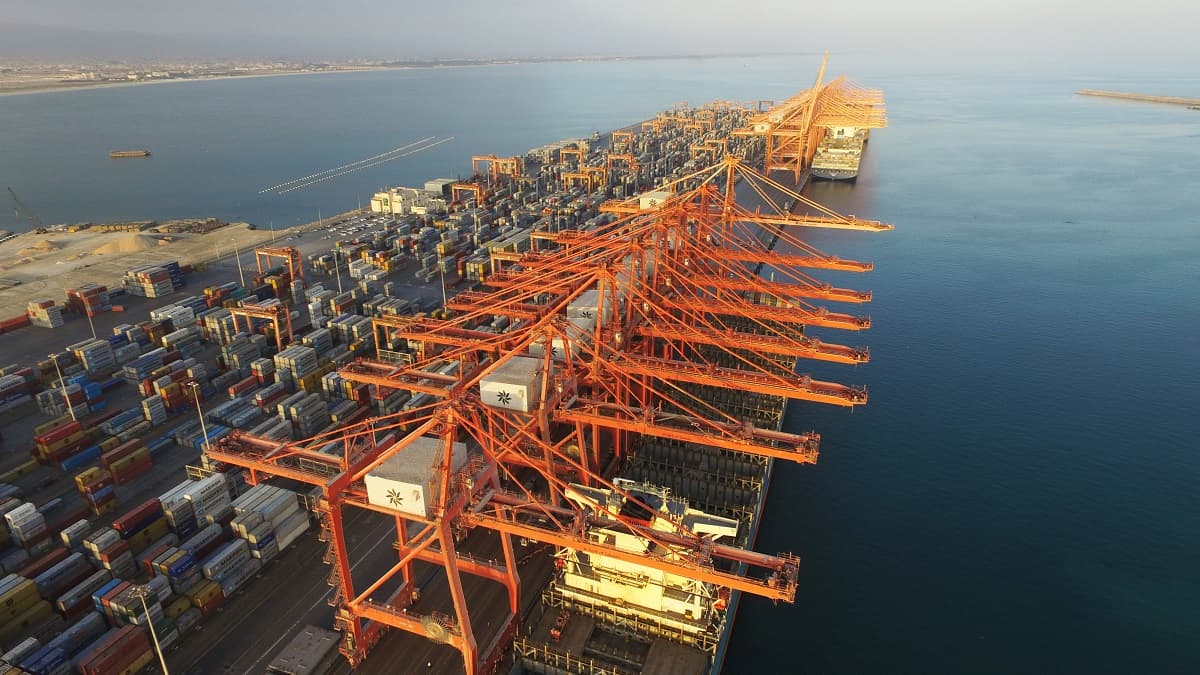
How Djibouti, Berbera, and Salalah Redrew the Map of Indian Ocean Trade
Key Takeaways
- •Djibouti’s container volume jumped 30% during the Red Sea outage
- •Berbera handled its first mega‑vessel, unlocking new trade lanes
- •Salalah’s transshipment hub saw a 25% cargo increase
- •Investors accelerated $1.2 billion in port upgrades across the three sites
- •Shipping lines renegotiated contracts to include alternative African routes
Pulse Analysis
The Red Sea crisis of early 2024 exposed the fragility of the Suez Canal as a single‑point conduit for global trade. When Houthi attacks halted traffic, carriers scrambled for alternatives, and the Horn of Africa’s ports—Djibouti, Berbera, and Salalah—quickly became the logical detours. Their geographic proximity to the Gulf of Aden, deep‑water capabilities, and existing free‑zone incentives allowed them to absorb displaced volumes with minimal delay. This rapid pivot not only averted supply‑chain bottlenecks but also demonstrated that the Indian Ocean’s port ecosystem can flexibly accommodate sudden shocks.
The influx of traffic triggered a cascade of investments. Djibouti, already a Chinese‑backed logistics hub, secured an additional $500 million in berth expansions and digital customs upgrades. Somaliland’s Berbera, partnered with DP World, completed a new container terminal that can accommodate 10,000‑TEU vessels, positioning it as a gateway for East African hinterlands. Meanwhile, Oman’s Salalah leveraged its strategic location between Asia and Europe, expanding its transshipment capacity and launching a green‑fuel bunkering program to attract environmentally conscious carriers. These upgrades are expected to generate long‑term economic benefits, including job creation and higher customs revenues.
Beyond infrastructure, the realignment reshapes geopolitical dynamics. Nations and multinational firms now view the Horn of Africa as a critical node for risk‑mitigation, prompting diversified routing strategies and new shipping alliances. The heightened importance of Djibouti, Berbera, and Salalah also gives regional governments leverage in negotiating trade agreements and attracting foreign direct investment. As the industry normalizes post‑crisis, the legacy of this forced rerouting will likely persist, cementing a more multipolar port hierarchy in the Indian Ocean and prompting a reevaluation of global logistics planning.
How Djibouti, Berbera, and Salalah redrew the map of Indian Ocean trade
Comments
Want to join the conversation?