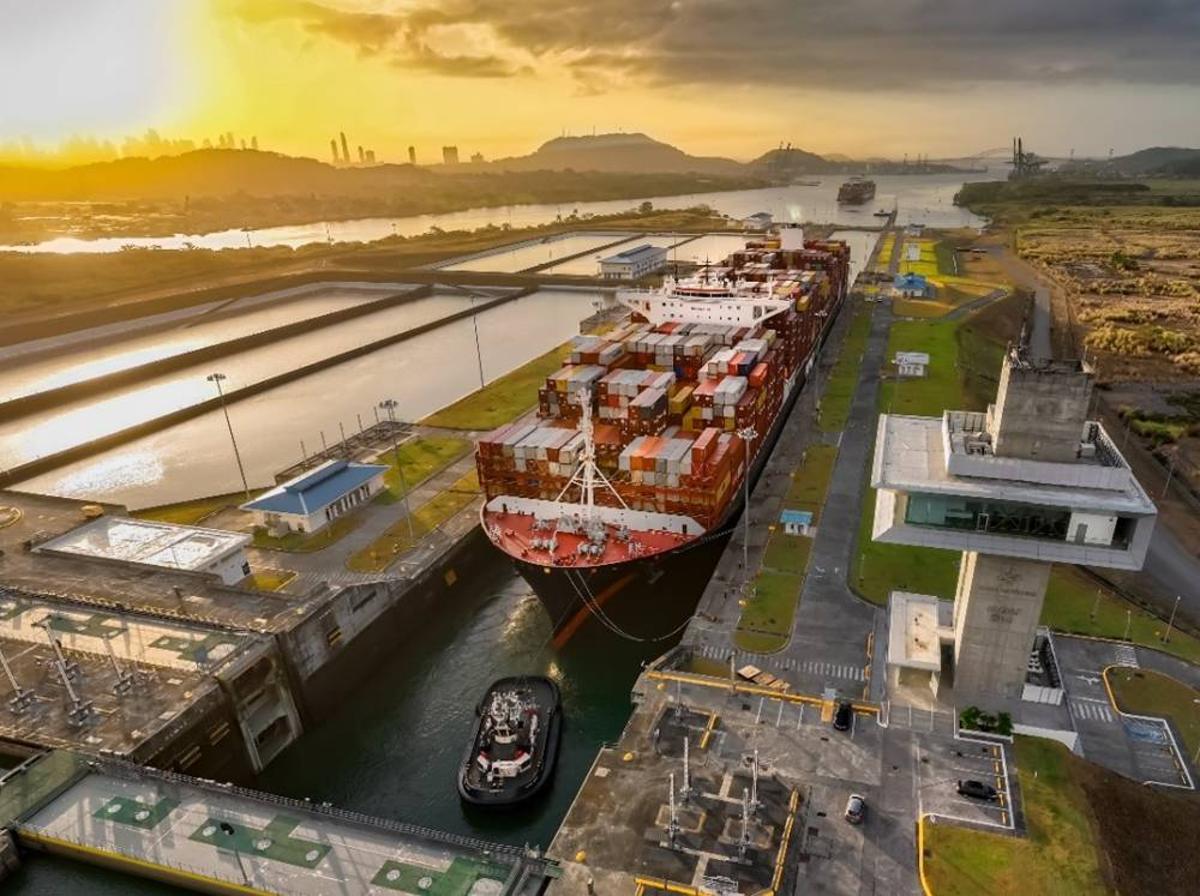
How One Strait’s Closure Made Panama the World’s Most Expensive Waterway
Key Takeaways
- •Iran's Hormuz closure forced reroute via Panama, costing $4 million per vessel
- •Panama Canal's reservation fees surged, making it world’s costliest waterway
- •Shipping delays increased freight rates and highlighted geopolitical supply‑chain risks
- •Operators weigh higher canal costs against longer, fuel‑intensive detours
- •Canal authority considers pricing reforms to retain traffic amid route volatility
Pulse Analysis
The sudden shutdown of the Strait of Hormuz—a vital artery for roughly 20% of global oil shipments—forced carriers to seek an alternative that could accommodate ultra‑large vessels. The Panama Canal, with its expanded locks, emerged as the only viable detour, but its reservation system imposed a $4 million surcharge to reflect the scarcity of slots and the urgency of the reroute. This price spike not only set a new benchmark for transit costs but also highlighted the fragility of maritime supply chains when geopolitical flashpoints erupt.
Panama’s Canal Authority, already balancing demand between the original and expanded lanes, responded to the surge by activating dynamic pricing mechanisms. While the $4 million fee boosted short‑term revenue, it also risked alienating shippers accustomed to more predictable rates. The episode sparked debate within the industry about whether the Canal should adopt a more flexible, market‑driven tariff structure or maintain a stable pricing model to preserve its competitive edge against longer routes around South America.
For global trade strategists, the Hormuz incident serves as a case study in risk‑adjusted routing decisions. Companies now weigh the certainty of higher canal fees against the operational penalties of longer, fuel‑intensive voyages via the Cape of Good Hope. The episode is prompting a reevaluation of insurance premiums, inventory buffers, and even the design of future vessels to better navigate sudden chokepoint closures. As geopolitical tensions persist, the Panama Canal’s pricing policies will likely evolve to balance capacity constraints with the need to retain traffic in an increasingly volatile maritime landscape.
How one strait’s closure made Panama the world’s most expensive waterway
Comments
Want to join the conversation?