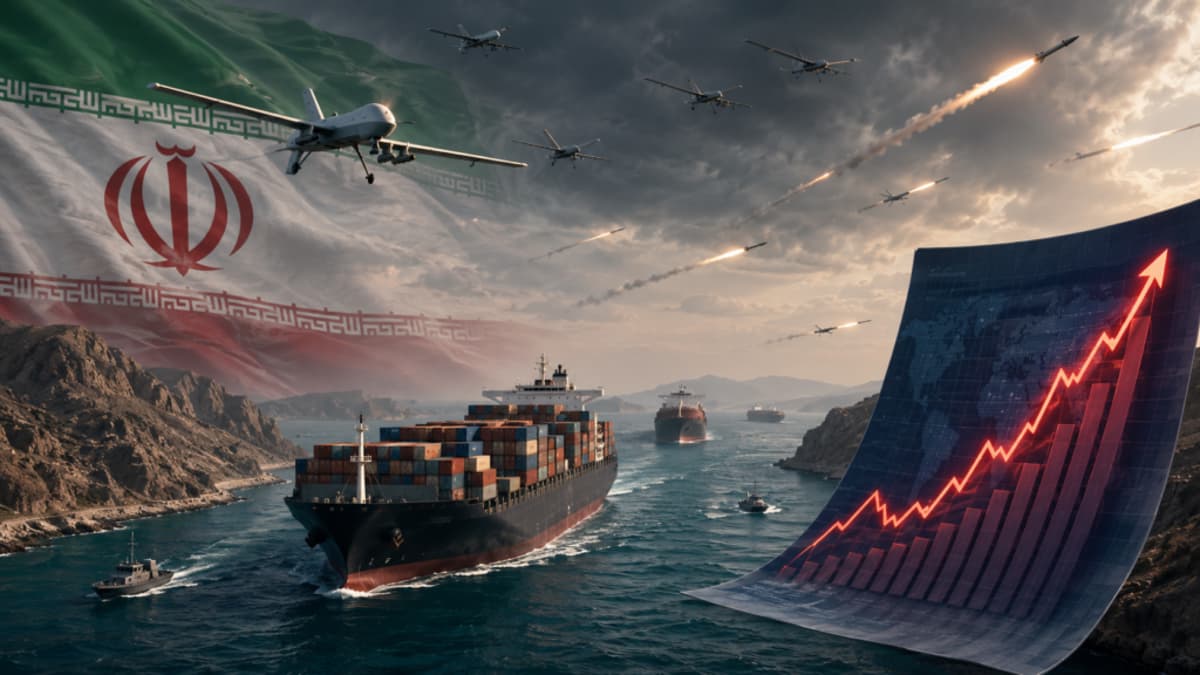
How Three Simultaneous Shocks Are Reshaping Global Shipping
Key Takeaways
- •Dark transits hide cargo in untracked maritime routes
- •Rate spikes in Asia ripple to Europe and North America
- •Houthi attacks force rerouting around the Red Sea
- •Supply‑chain planners face unpredictable transit times
- •Insurers raise premiums for high‑risk shipping lanes
Pulse Analysis
The shipping industry is confronting a new breed of disruption known as 'dark transits.' Unlike traditional chokepoints such as the Panama or Suez canals, dark transits involve vessels deliberately skirting official tracking systems, often to evade sanctions or reduce port fees. This opacity hampers real‑time visibility for shippers and freight forwarders, inflating inventory buffers and eroding just‑in‑time efficiencies. As satellite AIS data becomes more sophisticated, carriers are forced to balance the cost savings of covert routing against the rising risk of regulatory penalties and cargo loss.
Compounding the visibility challenge is a phenomenon analysts call secondary rate contagion. After the pandemic‑induced surge, freight rates on major Asia‑Europe lanes spiked to record highs, prompting carriers to raise prices on secondary routes to protect margins. Those hikes quickly propagated to less‑served corridors in the Atlantic and Indian Oceans, squeezing smaller importers and destabilizing contract pricing structures. The resulting volatility forces logistics firms to renegotiate contracts more frequently and to embed flexible rate clauses, driving up transaction costs across the supply chain.
The resurgence of Houthi missile attacks in the Red Sea adds a geopolitical layer to the crisis. Since late 2025, the group has intermittently targeted commercial vessels, prompting insurers to raise premiums and operators to chart longer, fuel‑intensive detours around the Bab el‑Mandeb. These added costs, combined with the uncertainty of transit windows, are prompting major retailers and manufacturers to diversify sourcing away from the Middle East corridor. In the longer term, the industry may accelerate investments in autonomous vessels and blockchain‑based tracking to mitigate the compounded risks of dark transits, rate contagion, and conflict‑driven blockades.
How three simultaneous shocks are reshaping global shipping
Comments
Want to join the conversation?