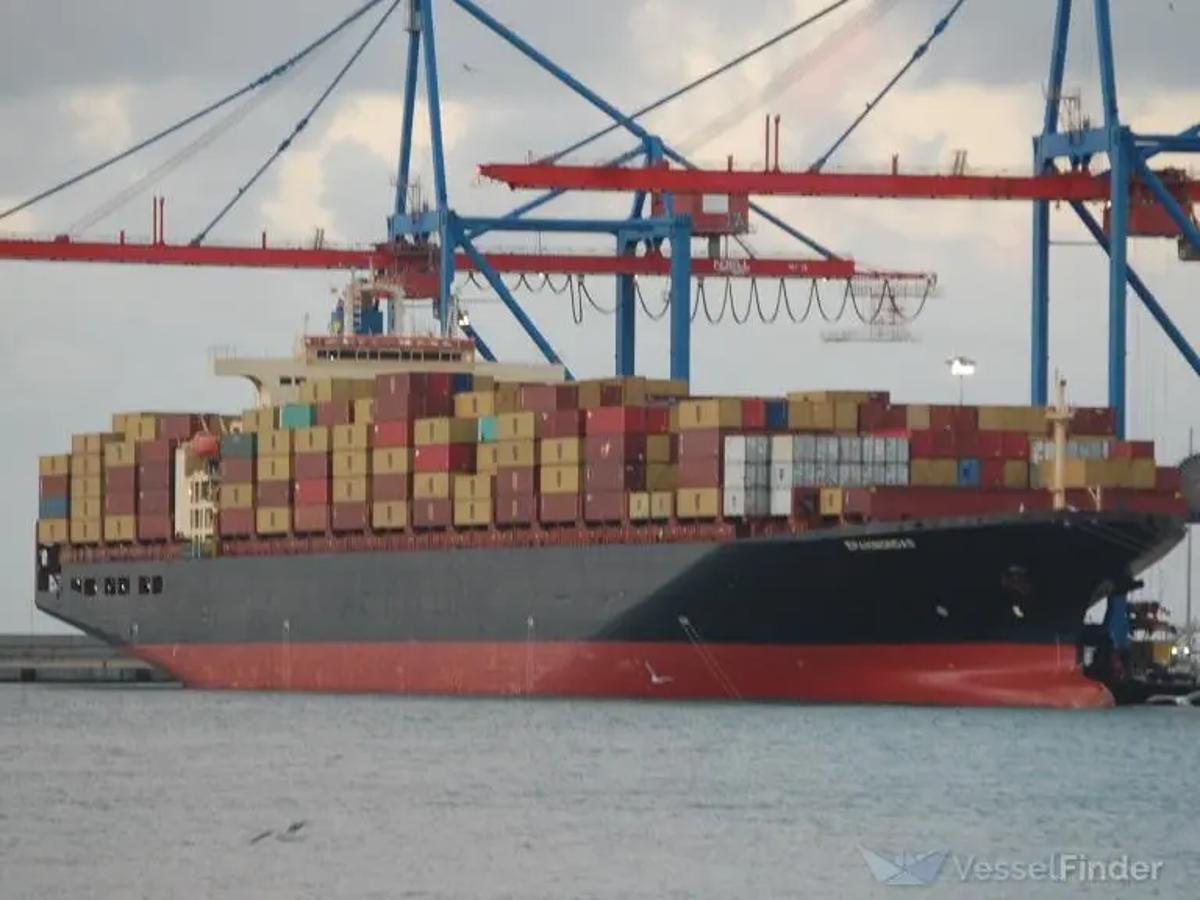
Iran Releases Footage of Seized Container Ships in Strait of Hormuz
Key Takeaways
- •Iran's IRGC seized Liberia‑flagged EPAMINONDAS and MSC Francesca
- •Both vessels were immobilized on April 22 before boarding
- •Crew of 21 Ukrainians and Filipinos reported safe
- •Incident raises security concerns for the Strait of Hormuz
- •Greek‑owned Technomar Shipping confirms Iranian control of ships
Pulse Analysis
The Strait of Hormuz remains one of the world’s most vital maritime arteries, funneling roughly 20% of global oil shipments and a substantial share of containerized trade. Recent hostilities, including the April 22 seizure of EPAMINONDAS and MSC Francesca, illustrate how quickly geopolitical flashpoints can translate into direct interference with commercial vessels. While the IRGC frames the operation as a security measure, the incident sends a clear signal to shipowners and charterers that navigation rights in the waterway are increasingly contested, prompting a reevaluation of routing strategies and contingency planning.
For the shipping industry, the immediate concern is operational disruption and heightened insurance premiums. Insurers have already begun adjusting war‑risk clauses for vessels transiting the Persian Gulf, with some carriers demanding additional war‑risk coverage or opting for longer, costlier routes around the Cape of Good Hope. The safe status of the 21‑member crew—comprising Ukrainian and Filipino nationals—mitigates a potential humanitarian crisis, but the lack of reported injuries or pollution does not diminish the broader commercial implications. Freight forwarders are likely to factor in potential delays and increased demurrage costs when negotiating contracts, while exporters may explore inventory buffers to cushion supply‑chain shocks.
Strategically, the episode reinforces the importance of diplomatic engagement to preserve freedom of navigation. Regional actors, including the United States and European Union, have repeatedly called for de‑escalation, emphasizing the economic fallout of any prolonged disruption. Meanwhile, ship operators are investing in real‑time monitoring technologies and collaborating with naval escorts where available. As the situation evolves, stakeholders will watch closely for further Iranian actions or retaliatory measures, recognizing that any escalation could reverberate through global trade flows and commodity pricing.
Iran releases footage of seized container ships in Strait of Hormuz
Comments
Want to join the conversation?