Key Takeaways
- •AE19 links Asia, Mediterranean, Jeddah directly.
- •Rotates via Cape of Good Hope twice.
- •First westbound sailing departs March 13, 2026.
- •Enhances shuttle connections between Asia and Europe.
- •Offers greater routing flexibility for supply chains.
Summary
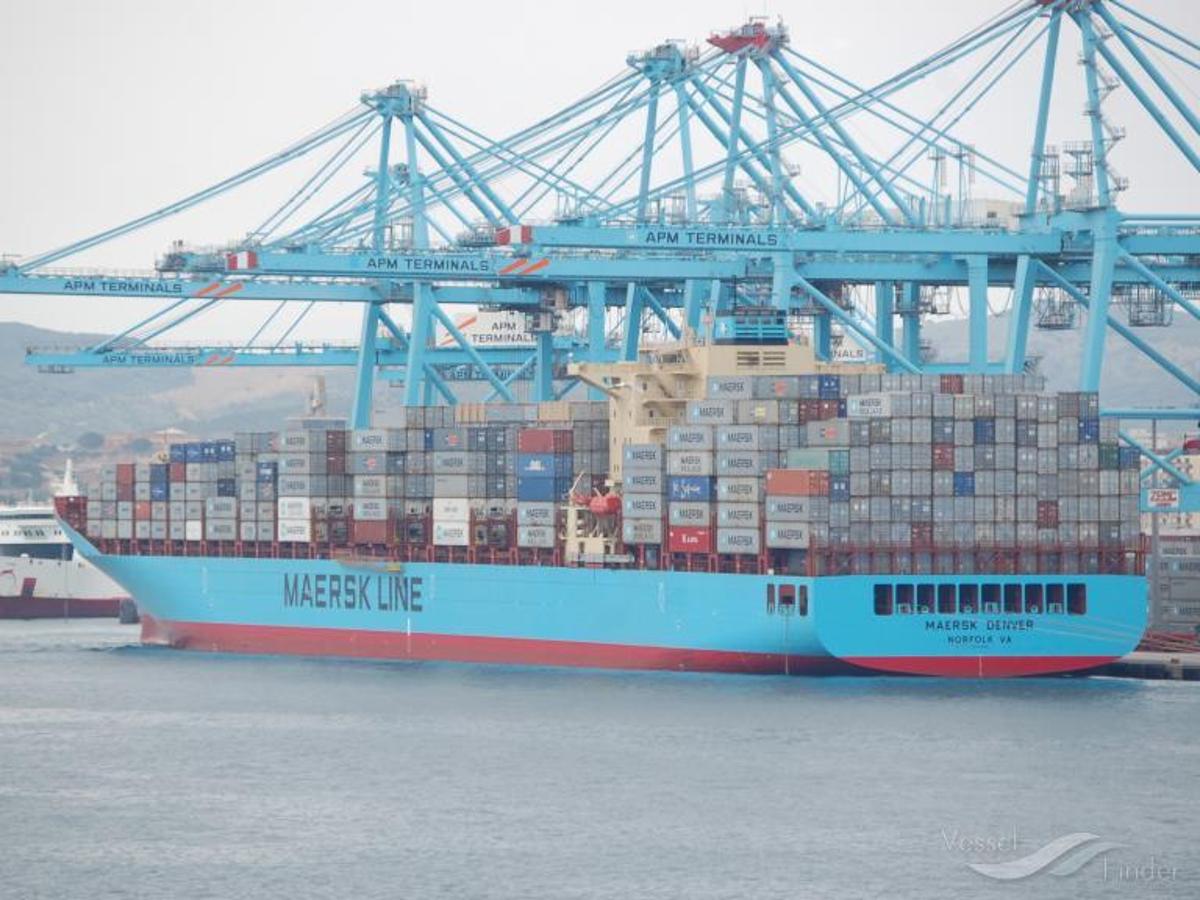
Maersk has launched the AE19 service, a new addition to its East‑West network and the Gemini Cooperation, creating direct container links between Asia, the Mediterranean and Jeddah, Saudi Arabia. The service follows a complex rotation that includes ports such as Xingang, Qingdao, Busan, Singapore and two Mediterranean hubs, with a double passage around the Cape of Good Hope. The first westbound sailing, operated by Maersk Elba (611W), is scheduled to arrive in Xingang on 13 March 2026. The launch promises upgraded shuttle connections and greater routing flexibility for shippers.
Pulse Analysis
Maersk’s AE19 service marks a strategic deepening of its East‑West network, targeting high‑volume trade lanes that connect China’s eastern ports with the Mediterranean and the Red Sea gateway of Jeddah. By integrating the Gemini Cooperation, Maersd leverages shared vessel capacity and coordinated scheduling, delivering a seamless end‑to‑end solution for exporters and importers. The route’s inclusion of two Mediterranean hubs and a double Cape of Good Hope transit reflects a deliberate move to diversify away from congested chokepoints such as the Suez Canal, offering shippers an alternative that can mitigate delays caused by geopolitical tensions or canal incidents.
Operationally, the AE19 rotation is notable for its extensive port call list—Xingang, Qingdao, Busan, Ningbo, Shanghai, Tanjung Pelepas, Cape of Good Hope, West and East Mediterranean hubs, Jeddah, and a return leg via Singapore. This design provides flexibility in cargo consolidation and de‑consolidation, allowing customers to tailor shipments to regional demand spikes. The first westbound sailing, slated for 13 March 2026 on Maersk Elba (611W), signals the carrier’s confidence in demand for direct Asia‑Middle East services, while also testing the viability of the longer Cape route in a post‑pandemic logistics landscape.
For the broader container market, AE19’s launch could reshape trade flows by shortening lead times for goods moving between East Asia, the Gulf region, and Southern Europe. Shippers stand to benefit from increased schedule reliability and expanded shuttle connections that feed into Maersk’s larger network. As global supply chains seek greater resilience, services like AE9 that blend route diversification with integrated network planning are likely to become a competitive differentiator, prompting rivals to evaluate similar expansions or partnerships.
Comments
Want to join the conversation?