OM in the News: UPS Turns to RFID
Key Takeaways
- •UPS invested $100 M to deploy RFID across U.S. network
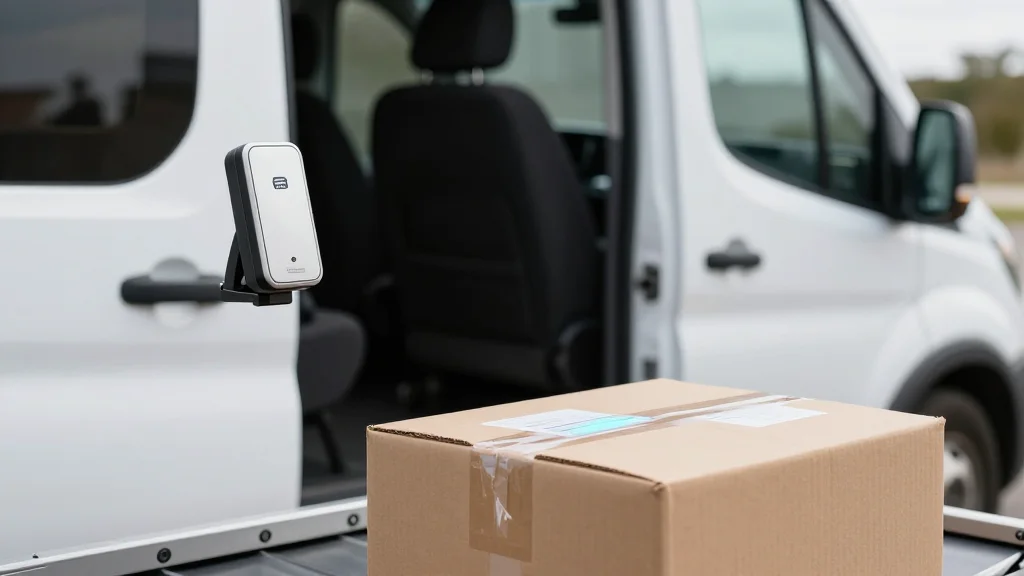
- •RFID tags now embedded in labels, sensors on all delivery trucks
- •Misloads fell ~70% after RFID implementation in 2024
- •Daily manual scans cut by about 20 million, lowering labor costs
- •Tag cost dropped to a few cents, enabling large‑scale rollout
Pulse Analysis
Radio‑frequency identification has moved from niche high‑value shipments to mainstream parcel delivery as tag prices plunge to a few cents. UPS’s $100 million rollout marks the most extensive U.S. deployment of the technology, embedding RFID chips directly into shipping labels and installing readers on every delivery truck, at more than 5,500 retail outlets and in final‑mile hubs. By automating the detection of a package crossing a threshold, the carrier can generate near‑real‑time location updates without waiting for a manual barcode scan, a capability that was previously limited to freight and aerospace logistics.
The operational payoff is immediate. Since the pilot began in 2024, UPS reports a roughly 70 percent drop in misloads—packages placed on the wrong truck—thanks to audible alerts triggered when an RFID tag encounters an unexpected sensor. The system also eliminates an estimated 20 million manual scans each day, translating into lower labor expenses and faster processing times at sorting facilities. Compared with traditional barcode scanning, RFID provides a read range of several meters and does not require line‑of‑sight, dramatically reducing human error and improving delivery accuracy.
UPS’s success is likely to accelerate RFID adoption across the parcel‑shipping sector, where competitors such as FedEx and DHL are already testing similar solutions. The technology’s scalability could enable more granular analytics, from route optimization to predictive maintenance of delivery fleets. However, widespread implementation will still face hurdles, including integration with legacy IT systems and ensuring data security across millions of daily reads. As RFID becomes a standard layer of visibility, shippers and e‑commerce platforms can expect tighter service‑level guarantees and a new benchmark for real‑time tracking.
OM in the News: UPS Turns to RFID
Comments
Want to join the conversation?