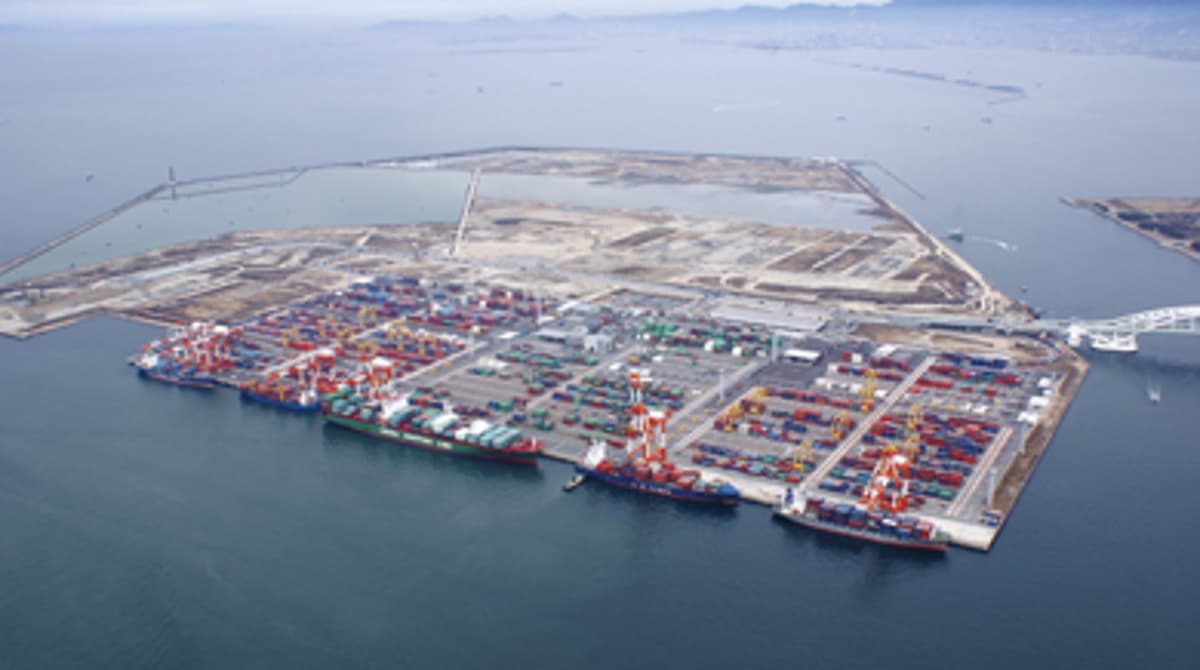
Osaka Port Container Volumes Dip 0.5% in April
Key Takeaways
- •Osaka Port processed 180,600 TEUs in April, down 0.5% YoY.
- •Export TEUs fell 2.9% while imports rose 1.7% in April.
- •Loaded exports grew 8.8%; loaded imports slipped 3.1%.
- •Empty container traffic declined 2% for the month.
- •Jan‑Apr TEU volume up 3.7% YoY, showing resilience.
Pulse Analysis
Osaka’s container terminal remains a pivotal gateway for Japan’s manufacturing exports and raw‑material imports. In April, the port moved 180,600 TEUs, a modest 0.5% dip that broke a five‑month growth streak. The decline was driven primarily by weaker outbound shipments, with export TEUs falling 2.9%, while inbound traffic modestly rose 1.7%. Loaded containers—those carrying cargo—held steady, reflecting a balanced mix of demand across sectors, even as empty container movements slipped 2%, hinting at tighter container availability.
The nuanced shift between loaded exports and imports reveals evolving trade dynamics. Loaded export volumes surged 8.8% year‑on‑year, suggesting that high‑value goods such as electronics and automotive parts continue to find overseas markets despite the overall dip. Conversely, loaded imports fell 3.1%, pointing to a slight cooling in inbound demand for raw inputs or intermediate components. Empty container traffic, a key indicator of supply‑chain efficiency, contracted 2% in April, potentially easing the chronic shortage of containers that has plagued Asian ports in recent years. Together, these trends illustrate a resilient yet cautiously adjusting logistics ecosystem.
Looking ahead, Osaka’s 3.7% year‑on‑year TEU growth through April signals that the port can absorb short‑term fluctuations while maintaining upward momentum. Regional competitors like Kobe and Yokohama are investing in digitalization and deeper berths, pressuring Osaka to enhance its operational efficiency. Moreover, Japan’s fiscal stimulus aimed at boosting exports could reinvigorate outbound volumes, while global supply‑chain rebalancing may lift import demand. Stakeholders should monitor container availability, freight rates, and policy shifts, as they will shape Osaka’s capacity to sustain its role as a cornerstone of East Asian trade.
Osaka Port container volumes dip 0.5% in April
Comments
Want to join the conversation?