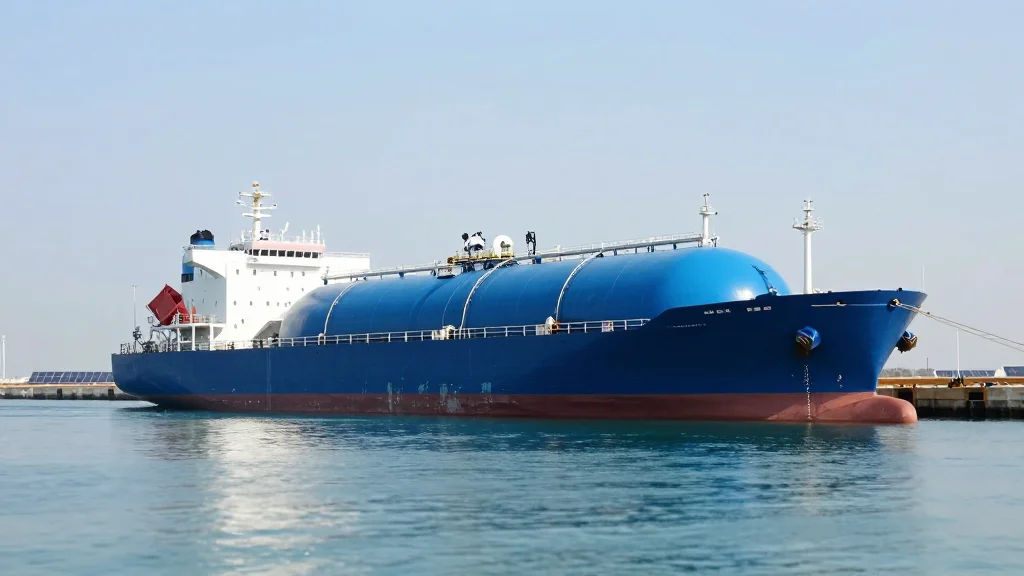
Pakistan LNG Imports Face Growing Pressure From Supply Shocks
Key Takeaways
- •Qatar supplies ~90% of Pakistan's LNG, exposing geopolitical risk.
- •Recent Ras Laffan outage cuts cargoes, raising spot price pressure.
- •Solar, hydro, and battery storage improve grid resilience amid LNG shocks.
- •Spot LNG purchases become costlier as Asian and European demand spikes.
- •Grid modernization needed to fully replace imported LNG with renewables.
Pulse Analysis
The latest disruption to Qatar’s Ras Laffan complex underscores how tightly Pakistan’s gas supply chain is tied to a single foreign source. Qatar accounts for about nine‑tenths of the nation’s LNG imports, so any operational hiccup reverberates through spot markets, where competition from wealthier Asian and European buyers drives prices upward. This dynamic not only inflates import bills but also exposes Pakistan to geopolitical volatility in the Gulf, a risk that resurfaced during the 2022 energy crisis and now threatens future procurement strategies.
In response, Pakistan has begun to lean on its expanding renewable portfolio. Solar installations have surged, especially in the Punjab and Sindh provinces, while hydropower generation has been optimized during monsoon seasons. These additions have softened the impact of LNG shortages on the electricity grid, yet they remain intermittent. Battery energy storage systems emerge as a logical bridge, allowing excess solar output to be stored and dispatched during evening peaks when gas‑fired plants traditionally dominate. However, scaling storage requires substantial investment in grid digitalization, smart metering, and regulatory frameworks that reward flexibility.
Looking ahead, the country’s energy policy must prioritize diversification away from imported LNG to safeguard both economic stability and climate goals. Accelerated deployment of battery storage, coupled with targeted upgrades to transmission infrastructure, can unlock the full potential of renewables and reduce reliance on volatile fuel markets. International investors are watching Pakistan’s reform trajectory, as successful grid modernization could position the nation as a regional model for energy security amid ongoing geopolitical uncertainty.
Pakistan LNG imports face growing pressure from supply shocks
Comments
Want to join the conversation?